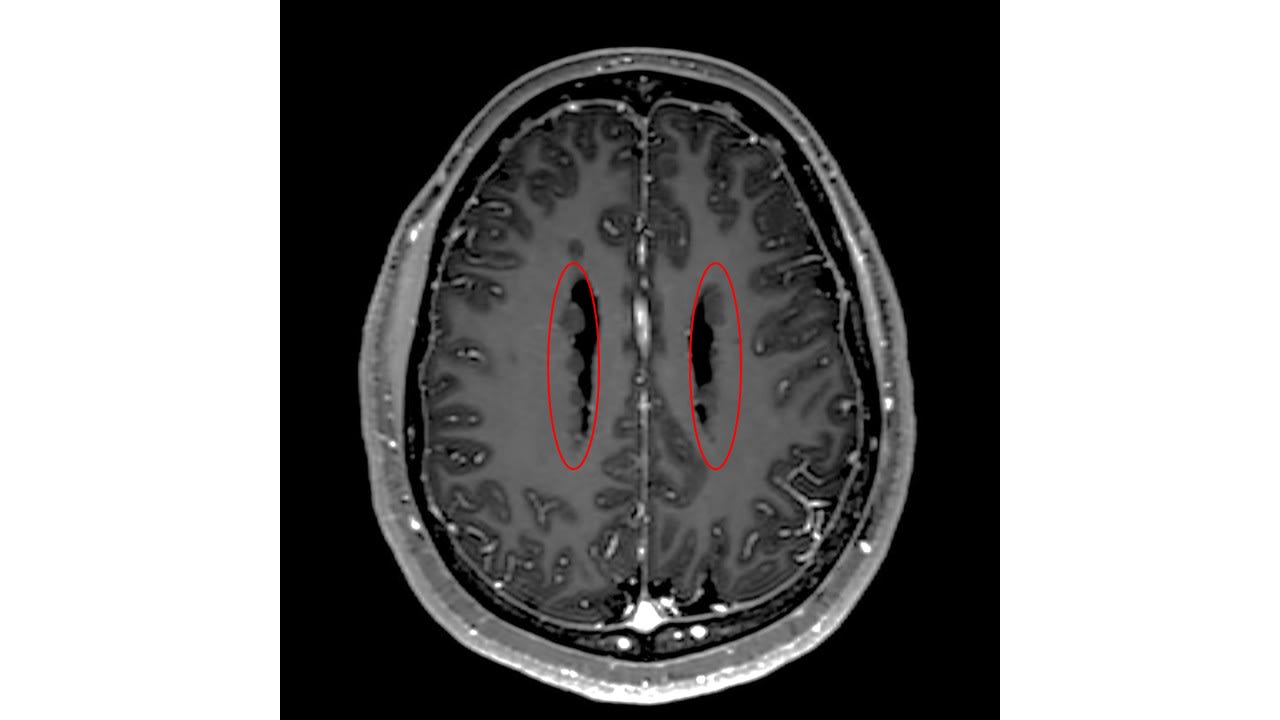
Clinical Scorecard: Cognitive Outcomes in Patients with Chronic Subdural Hematoma Following Treatment: An Investigative Study
At a Glance
Category
Detail
Condition
Chronic Subdural Hematoma (CSDH)
Key Mechanisms
Accumulation of subdural hematoma causing neurological symptoms including cognitive impairment, especially in elderly patients
Target Population
Adults with symptomatic CSDH, predominantly elderly patients
Care Setting
Neurosurgical centers with surgical and medical management capabilities
Key Highlights
Cognitive impairment is a common presenting symptom in CSDH patients (45% incidence) regardless of age.
Cognitive complaints in CSDH patients include memory deficits, bradyphrenia, disorientation, and altered behavior.
Cognitive status was assessed at 3 months post-treatment using the Modified Telephone Interview for Cognitive Status (TICS-m).
Guideline-Based Recommendations
Diagnosis
Diagnose CSDH via head CT scan by certified (neuro)radiologists identifying crescent hematoma with limited hyperdense components.
Assess clinical severity using the Markwalder grading scale (MGS) ranging from 0 (normal) to 4 (comatose).
Screen for cognitive complaints at baseline including memory deficits, slowed cognition, disorientation, or altered behavior.
Management
Surgical treatment via burr hole craniostomy or craniotomy with routine postoperative subdural drainage unless contraindicated.
Adjunctive dexamethasone administered in a tapering 19-day course starting at 16 mg daily in divided doses when indicated.
Exclude patients with confounding neurological conditions affecting cognition from treatment trials.
Monitoring & Follow-up
Assess cognitive status at approximately 3 months post-treatment using validated tools such as TICS-m.
Evaluate functional outcome with Glasgow Outcome Scale-Extended (GOS-E) at 3 months post-treatment.
Risks
Potential for cognitive impairment to persist or improve post-treatment; long-term cognitive outcomes require further study.
Severity of consciousness (MGS >2) may hamper accurate cognitive assessment.
Patient & Prescribing Data
CSDH patients aged 18 years and older, predominantly elderly males with symptomatic hematoma.
Majority (89%) received surgical treatment; 36% additionally received dexamethasone. Cognitive improvement post-treatment is suggested but long-term data are limited.
Clinical Best Practices
Include only patients with MGS scores 0–2 for reliable cognitive assessment.
Actively inquire about cognitive complaints at baseline using standardized criteria.
Use validated cognitive assessment tools such as TICS-m at standardized intervals post-treatment.
Consider development of cognitive training programs to improve outcomes in CSDH patients.
Ensure multidisciplinary follow-up including neurosurgical and neuropsychological evaluation.
by Jurre Blaauw, Heleen M.den Hertog, Dana C. Holl, Nikki S. Thüss, Niels A. van der Gaag, Korné Jellema, Ruben Dammers, Kuan H. Kho, Rob J. M. Groen, Hester F. Lingsma, Bram Jacobs, Joukje van der Naalt
These 10 states make it more practical for physicians to participate in hospital ownership by aligning statutory structure, corporate practice of medicine rules, and population trends.
Epilepsy remains a life-altering condition, particularly due to the unpredictable nature of seizures and their cumulative impact on cognition, independence and quality of life.