Global and regional insights: unravelling the epidemiological factors and burden of autism spectrum disorders with a focus on China from 1990 to 2021 - Scorecard - MDSpire
Clinical Scorecard: Global and Regional Perspectives: Analyzing the Epidemiological Factors and Impact of Autism Spectrum Disorders in China from 1990 to 2021
At a Glance
Category
Detail
Condition
Autism Spectrum Disorders (ASD)
Key Mechanisms
Neurodevelopmental disorder characterized by social communication impairments and restricted interests.
Target Population
Children, particularly preschool-aged boys.
Care Setting
Public health and epidemiological research.
Key Highlights
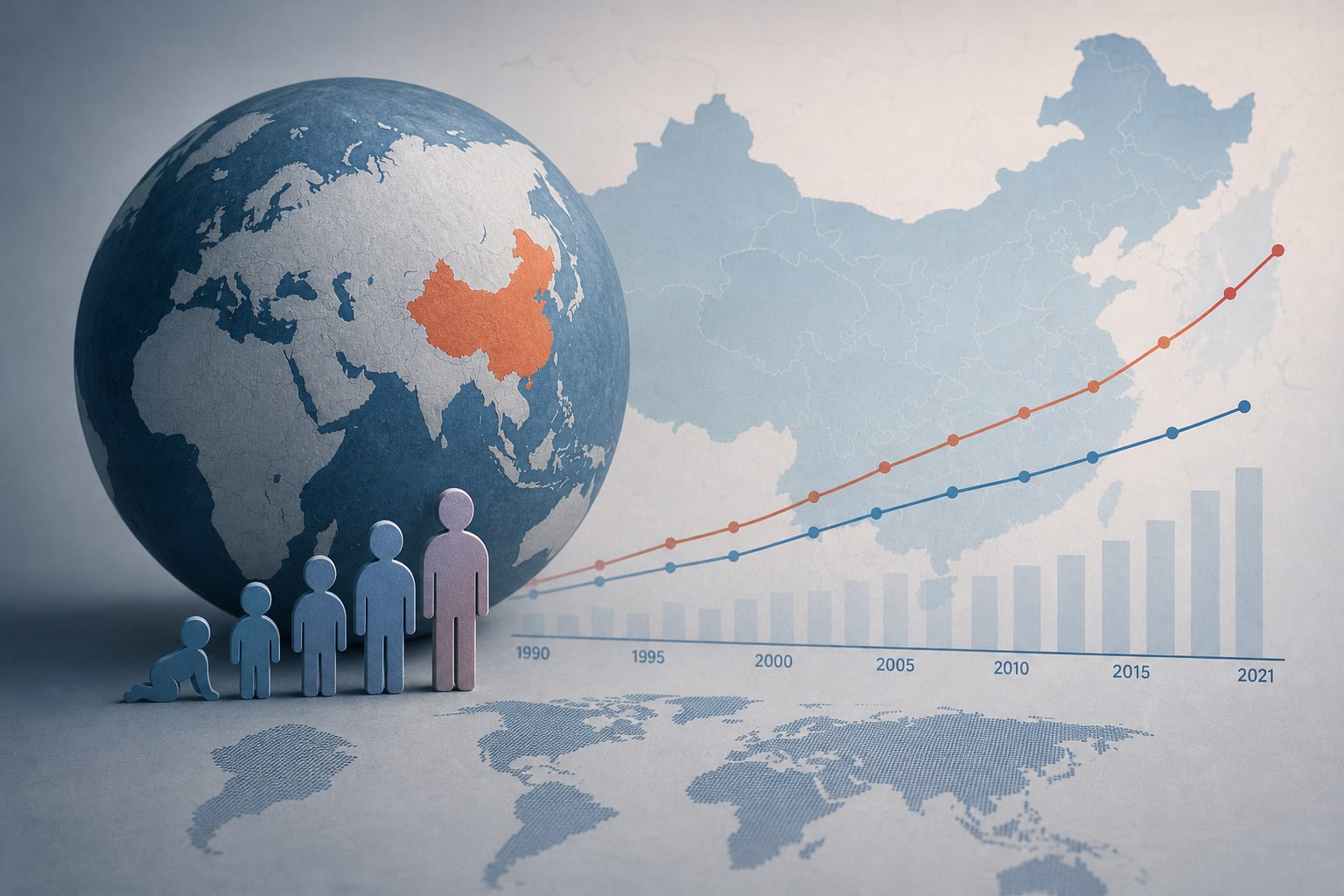
ASD prevalence in China is projected to rise to 660.28 per 100,000 by 2030.
China's average annual percentage change for ASD prevalence and DALYs is higher than the global average.
ASD significantly contributes to health loss, especially among preschool boys.
The health impact of ASD has been increasing over the past three decades.
A strong correlation exists between ASD rates and sociodemographic index (SDI).
Guideline-Based Recommendations
Diagnosis
ASD diagnosis should follow established clinical criteria such as DSM and ICD.
Management
Implement targeted prevention and control measures for high-risk groups.
Monitoring & Follow-up
Regularly assess the prevalence and burden of ASD using robust epidemiological methods.
Risks
Increased ASD prevalence correlates with higher sociodemographic indices.
Patient & Prescribing Data
Children diagnosed with ASD.
Focus on comprehensive understanding and regulation of ASD's multifaceted implications.
Clinical Best Practices
Utilize the Global Burden of Disease data for informed public health planning.
Consider both fatal and non-fatal outcomes in assessing ASD's impact.
Online interest in leucovorin, folate products, and acetaminophen-related autism concerns increased markedly in the 2 weeks following the White House announcement.