Epithelial cell proliferation on anterior surface of intraocular lens after Descemet stripping automated endothelial keratoplasty (DSAEK) surgery: a case report - Scorecard - MDSpire
Advertisement
Epithelial cell proliferation on anterior surface of intraocular lens after Descemet stripping automated endothelial keratoplasty (DSAEK) surgery: a case report
Clinical Scorecard: Proliferation of Epithelial Cells on the Anterior Surface of Intraocular Lenses Following Descemet Stripping Automated Endothelial Keratoplasty: A Case Study
At a Glance
Category
Detail
Condition
Key Mechanisms
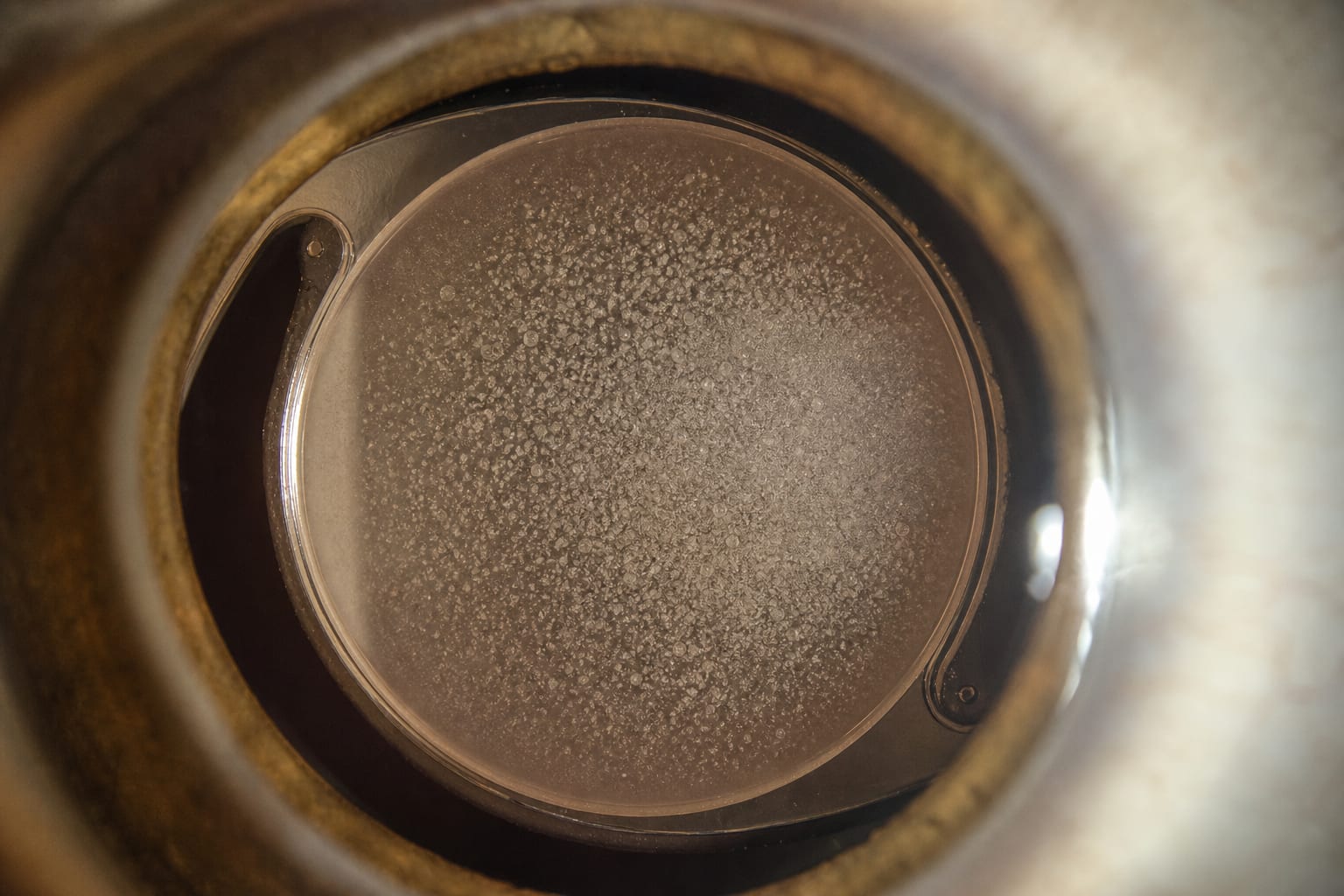
Epithelial cell proliferation on IOL surface.
Target Population
Care Setting
Key Highlights
IOL opacification can lead to glare, reduced contrast sensitivity, and decreased visual acuity.
Primary opacification is due to manufacturing defects; secondary opacification is due to environmental factors.
Commonly associated with DSAEK, diabetes, and other ocular conditions.
Histopathological findings confirm epithelial-like cellular imprints on IOL surface.
Guideline-Based Recommendations
Diagnosis
Clinical examination and slit-lamp evaluation to identify opacities on IOL.
Management
Surgical polishing of IOL surface or explantation if conservative measures fail.
Monitoring & Follow-up
Regular follow-up for visual acuity and slit-lamp examination post-surgery.
Risks
Increased risk of opacification with use of SF6 gas and repeated intracameral air injections.
Patient & Prescribing Data
Patients with a history of cataract surgery and DSAEK.