Association Between Cholecystectomy and Gastroesophageal Inflammatory Findings After Sleeve Gastrectomy: Endoscopic and Metabolic Evaluation - Scorecard - MDSpire
Conexiant’s news site is now MDSpire News. Learn more
Advertisement
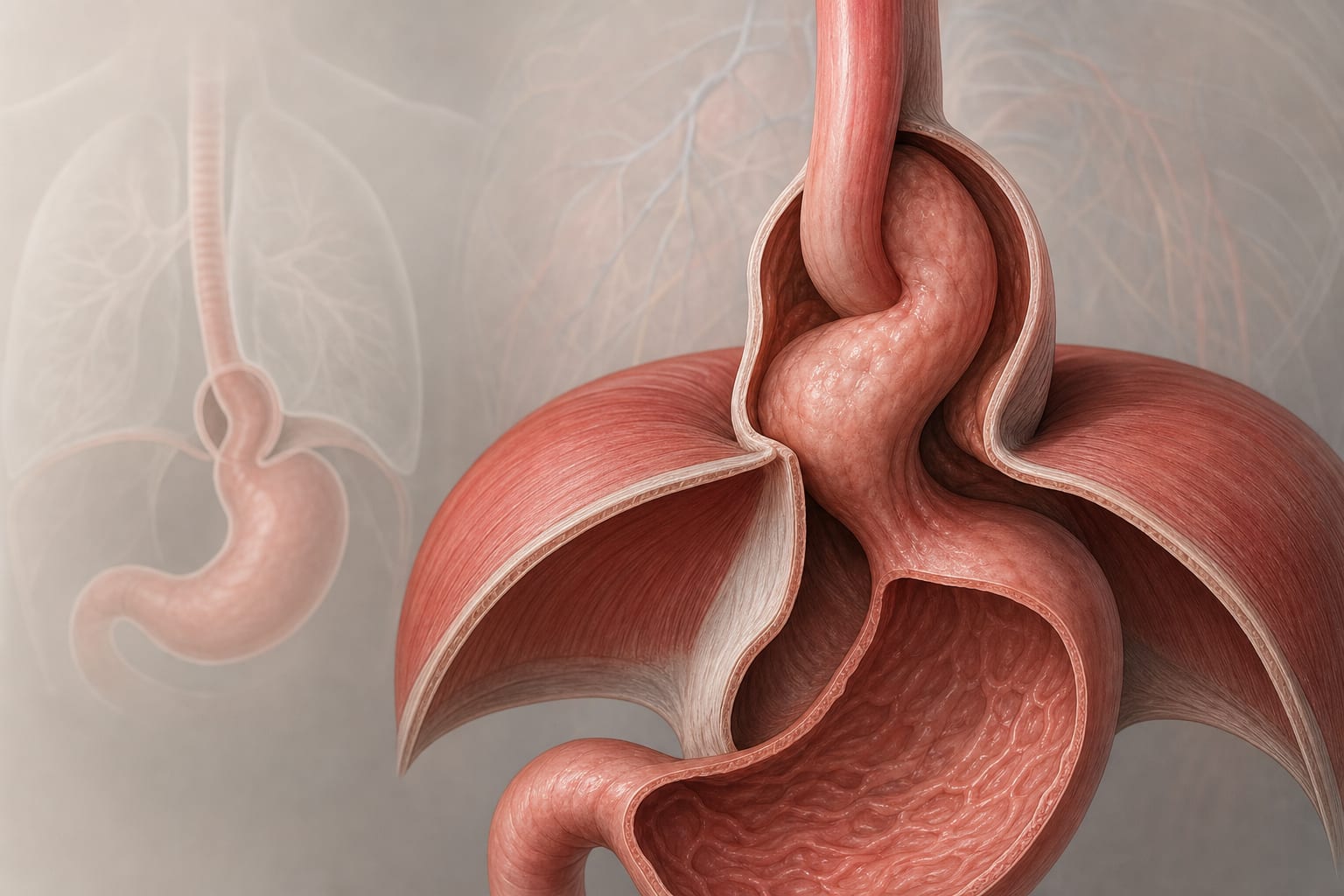
Link Between Cholecystectomy and Inflammatory Changes in the Gastroesophageal Region Following Sleeve Gastrectomy: An Endoscopic and Metabolic Assessment
Clinical Scorecard: Link Between Cholecystectomy and Inflammatory Changes in the Gastroesophageal Region Following Sleeve Gastrectomy: An Endoscopic and Metabolic Assessment
At a Glance
Category
Detail
Condition
Obesity and its surgical management
Key Mechanisms
Cholecystectomy post-sleeve gastrectomy affects bile flow and gastrointestinal mucosal health.
Target Population
Adults with severe obesity undergoing sleeve gastrectomy and subsequent cholecystectomy.
Care Setting
Bariatric surgical units and gastroenterology clinics.
Key Highlights
Sleeve gastrectomy is the most frequently performed bariatric surgery.
Cholecystectomy is indicated for approximately 35% of patients post-sleeve gastrectomy due to cholelithiasis.
Endoscopic assessments revealed changes in esophageal and gastric mucosa over time.
BMI significantly decreased from pre-sleeve gastrectomy to pre-cholecystectomy.
Esophagitis prevalence varied between assessment stages.
Guideline-Based Recommendations
Diagnosis
Use standardized endoscopic and histopathological examinations to assess gastrointestinal changes.
Management
Perform cholecystectomy for symptomatic, ultrasound-confirmed cholelithiasis post-sleeve gastrectomy.
Monitoring & Follow-up
Conduct regular follow-up assessments of metabolic parameters and gastrointestinal health.
Risks
Monitor for increased incidence of esophagitis and other gastrointestinal complications post-surgery.
Patient & Prescribing Data
Adults aged ≥18 years with a BMI ≥35 kg/m² undergoing bariatric surgery.
Cholecystectomy may lead to altered bile composition and increased risk of duodenogastric reflux.
Clinical Best Practices
Implement a multidisciplinary approach for managing patients undergoing bariatric surgery.
Ensure thorough preoperative assessments to identify potential complications.
Utilize high-resolution endoscopy for accurate evaluation of gastrointestinal changes.
by Gabriel Guerra Cordeiro, Vinícius Vasconcelos do Amaral, Luiz Alberto Reis Mattos Júnior, Flávio Kreimer, José Guido Correia de Araújo Júnior, Álvaro Antônio Bandeira Ferraz