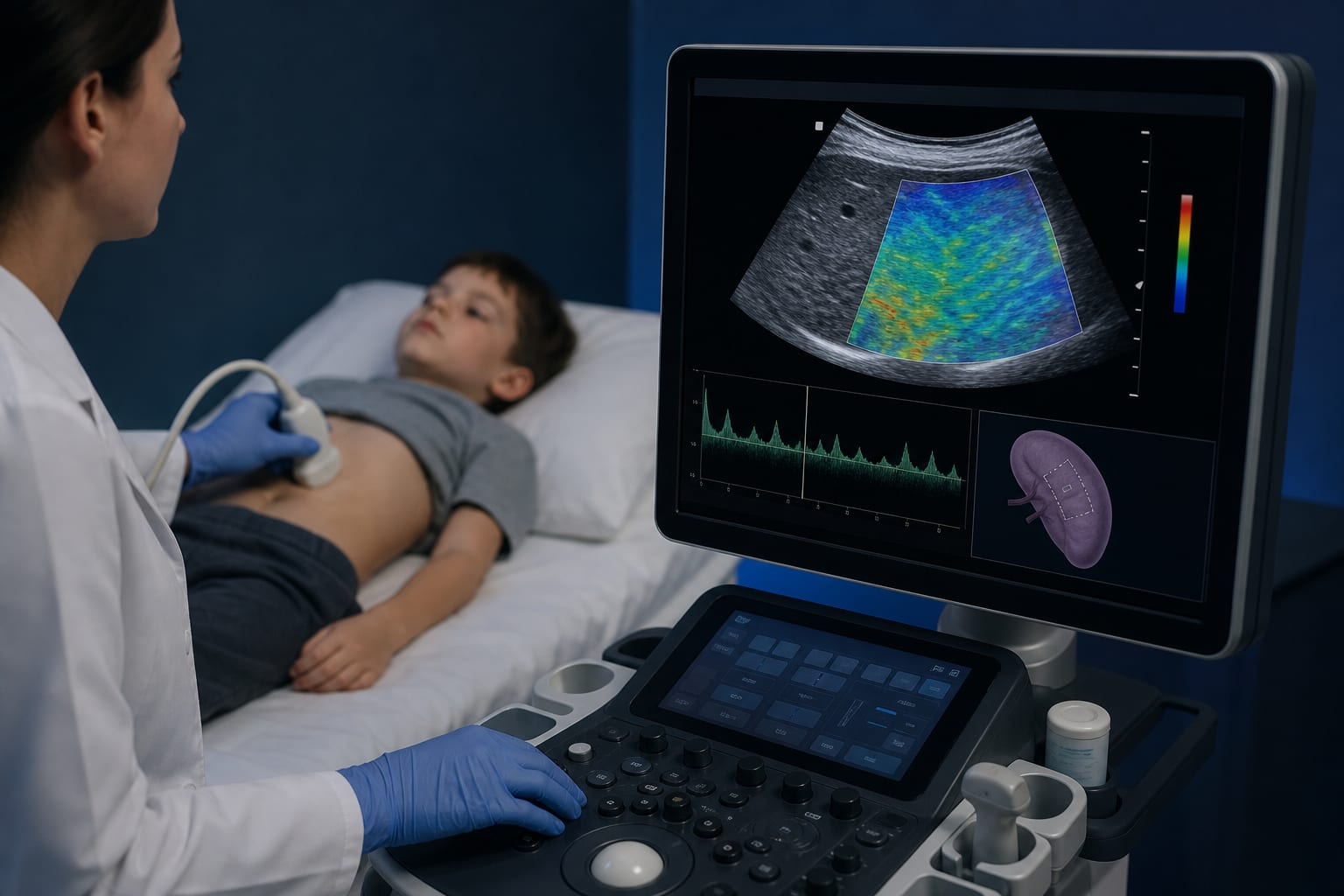
Employing the enhanced liver fibrosis assessment to detect disease in high-risk groups
By
Alex Hinkson
Jacob Feathers
Jason Punnamkuzhy
Firuza Dzhakangirli
Ian Alston Rowe
Richard Parker
May 5, 2026
Clinical Scorecard: Employing the enhanced liver fibrosis assessment to detect disease in high-risk groups
At a Glance
Category Detail
Condition Steatotic liver disease Key Mechanisms Non-invasive tests for fibrosis assessment including ELF and LSM. Target Population Individuals with type II diabetes mellitus or hazardous alcohol use. Care Setting Community diabetes clinic and alcohol treatment services.
Key Highlights
Steatotic liver disease is prevalent in high-risk populations. ELF test scores were higher in the diabetic population compared to those with hazardous alcohol use. A significant proportion of patients with hazardous alcohol use had advanced liver stiffness measurements. Guideline-Based Recommendations
Diagnosis
Use ELF testing to identify risk of fibrosis in at-risk populations. Management
Offer lifestyle modifications including reduction of alcohol intake and control of metabolic risk factors. Monitoring & Follow-up
Refer patients with ELF scores ≥9.5 for liver stiffness measurement. Risks
Late identification of steatotic liver disease increases likelihood of adverse liver-related health outcomes. Patient & Prescribing Data
Patients from community diabetes clinic and alcohol treatment services.
Non-invasive tests may facilitate early identification and intervention.
Clinical Best Practices
Implement screening pathways for steatotic liver disease in high-risk populations. Utilize ELF and LSM tests to optimize early diagnosis. Related Resources & Content