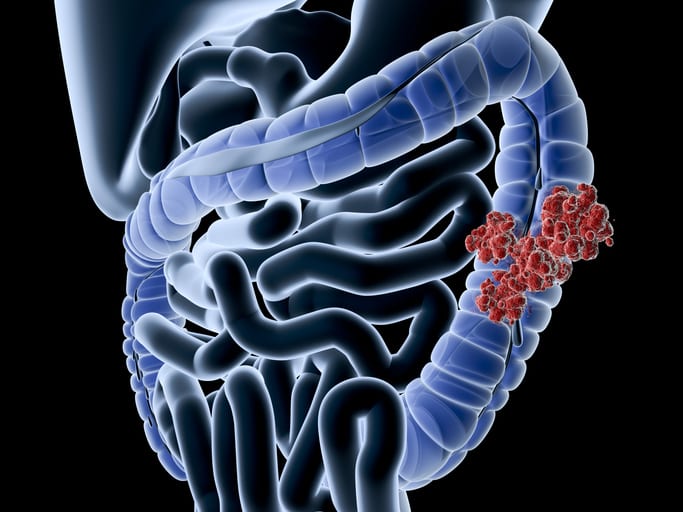
Clinical Scorecard: Cancer Is Coming for Younger Adults — and the Field Isn’t Ready
At a Glance
Category
Detail
Condition
Rising incidence of early-onset cancers, particularly colorectal cancer in adults under 50
Key Mechanisms
Life-course environmental and behavioral exposures accumulating from early life; limitations in current epidemiologic tools and data capture
Target Population
Adults under 50, especially Generation X and Millennials
Care Setting
Cancer research and prevention infrastructure; epidemiologic and clinical settings focused on early detection and risk assessment
Key Highlights
Colorectal cancer is now the leading cause of cancer death in US men under 50.
Rising early-onset cancer incidence observed across 42 countries with annual increases of 0.8% to 3.6% between 2003 and 2017.
Current research infrastructure inadequately captures early-life exposures critical to understanding early-onset cancer risk.
Guideline-Based Recommendations
Diagnosis
Recognize that early-onset cancers may not simply be younger versions of midlife cancers; consider life-course exposure history.
Be aware that rising incidence may partly reflect earlier detection but also real increases in risk.
Management
Develop and apply risk prediction models that incorporate biological state and life-course exposures.
Use a tissue ecosystem–anchored approach to improve cause discovery and prevention strategies.
Monitoring & Follow-up
Link and harmonize existing cohorts, electronic health records, and biobanks to capture longitudinal life-course data.
Implement federated data systems with privacy governance to overcome fragmented health records.
Risks
Low cancer incidence in young adults limits predictive value of risk models despite high performance.
Current epidemiologic tools often miss timing, intensity, and trajectory of exposures, leading to underestimation of preventable causes.
Patient & Prescribing Data
Adults under 50 experiencing rising early-onset cancer incidence
Prevention strategies should consider life-course exposures; current modifiable causes explain only 30%-45% of cancers despite theoretical preventability of 75%-80%.
Clinical Best Practices
Treat early-onset cancer as a life-course epidemiologic problem requiring new research infrastructure.
Incorporate dynamic frameworks for estimating preventability in clinical risk assessments.
Prioritize integration of diverse data sources to capture early-life exposures and improve risk prediction.