Clinical Scorecard: IBC Oxford 2025 Conference Agenda
At a Glance
| Category | Detail |
|---|---|
| Condition | Obesity and related metabolic disorders |
| Key Mechanisms | Surgical and minimally invasive procedures, pharmacological agents, and technological advancements including artificial intelligence |
| Target Population | Patients with obesity, type 2 diabetes mellitus, and related comorbidities |
| Care Setting | Academic medical centers, teaching hospitals, and specialized surgical units |
Key Highlights
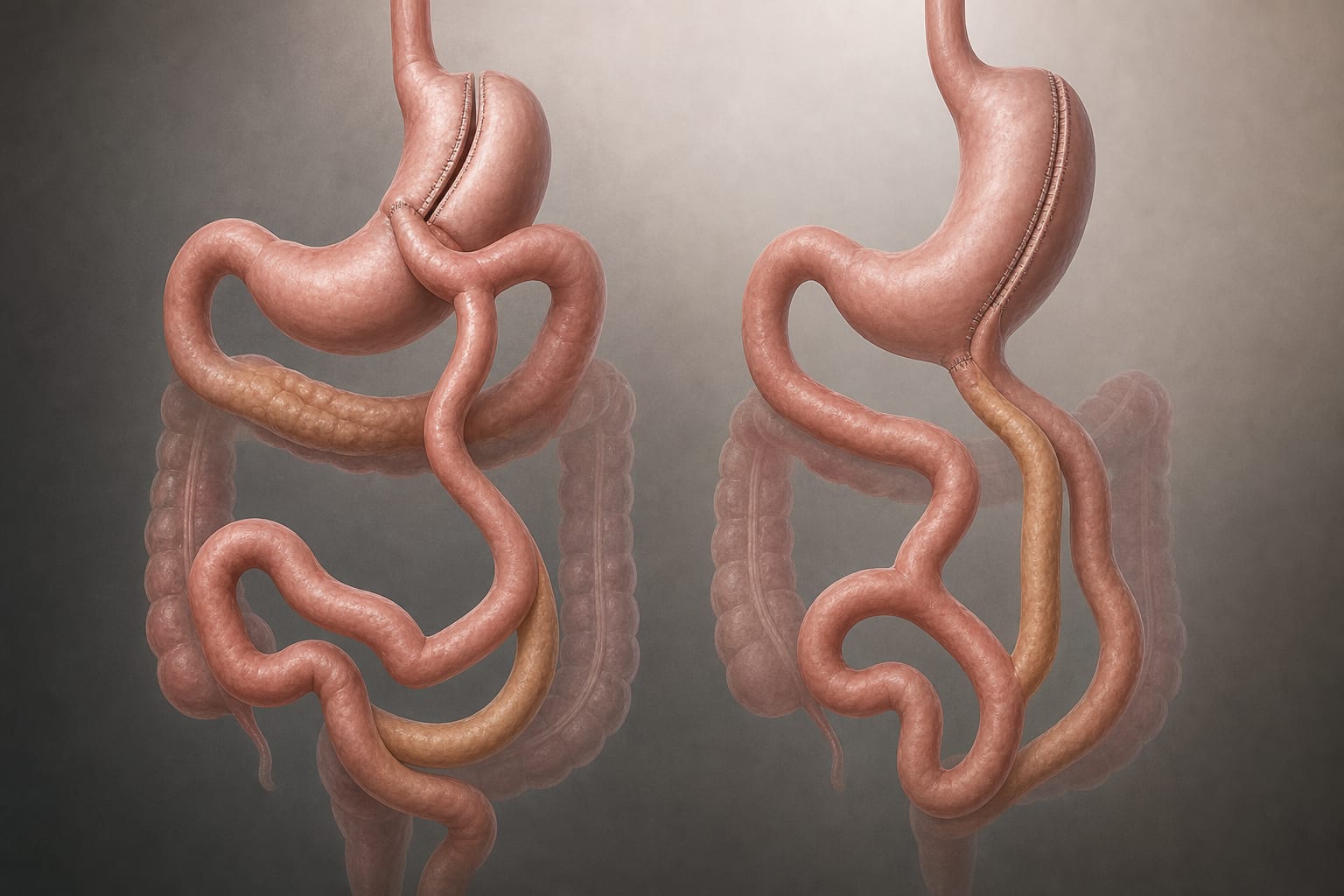
- Focus on bariatric surgical procedures such as gastric bypass, sleeve gastrectomy, and gastroplasty
- Integration of robotic and laparoscopic surgical techniques to enhance minimally invasive care
- Discussion on anti-obesity agents including glucagon-like peptide 1 analogs and their role in weight reduction
Guideline-Based Recommendations
Diagnosis
- Assessment of body mass index and metabolic parameters for obesity classification
- Use of endoscopy and imaging to evaluate gastrointestinal anatomy preoperatively
Management
- Implementation of evidence-based bariatric surgical procedures including Roux-en-Y gastric bypass and sleeve gastrectomy
- Utilization of pharmacological therapies such as GLP-1 receptor agonists for weight management
- Incorporation of minimally invasive techniques including laparoscopy and robotic surgery
Monitoring & Follow-up
- Postoperative surveillance for surgical complications including hemorrhage and bile duct injuries
- Monitoring urinary albumin excretion as a marker for metabolic improvement
- Regular follow-up for weight reduction efficacy and diabetes control
Risks
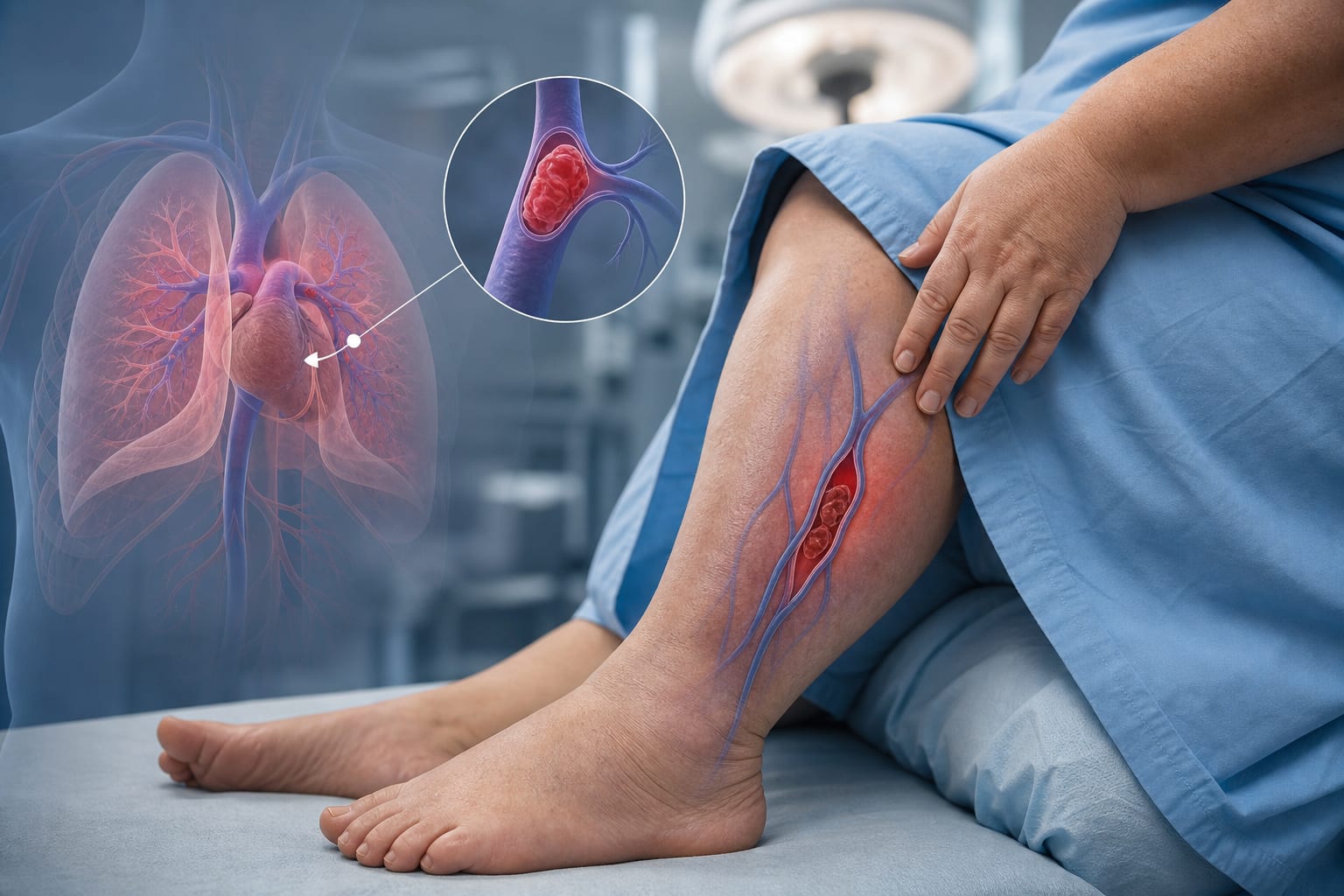
- Potential for operative complications such as anastomosis leaks and hemorrhage
- Risks associated with surgical interventions including bile duct injuries
- Consideration of patient-specific factors to minimize perioperative morbidity
Patient & Prescribing Data
Individuals undergoing bariatric surgery or receiving anti-obesity pharmacotherapy
Combination of surgical and pharmacological approaches tailored to patient needs enhances weight reduction and metabolic outcomes
Clinical Best Practices
- Adopt multidisciplinary approach involving surgeons, endocrinologists, and dietitians
- Employ minimally invasive surgical techniques to reduce recovery time and complications
- Utilize artificial intelligence tools to optimize surgical planning and patient selection
References
This content is an AI-generated, fully rewritten summary based on a published scholarly article. It does not reproduce the original text and is not a substitute for the original publication. Readers are encouraged to consult the source for full context, data, and methodology.