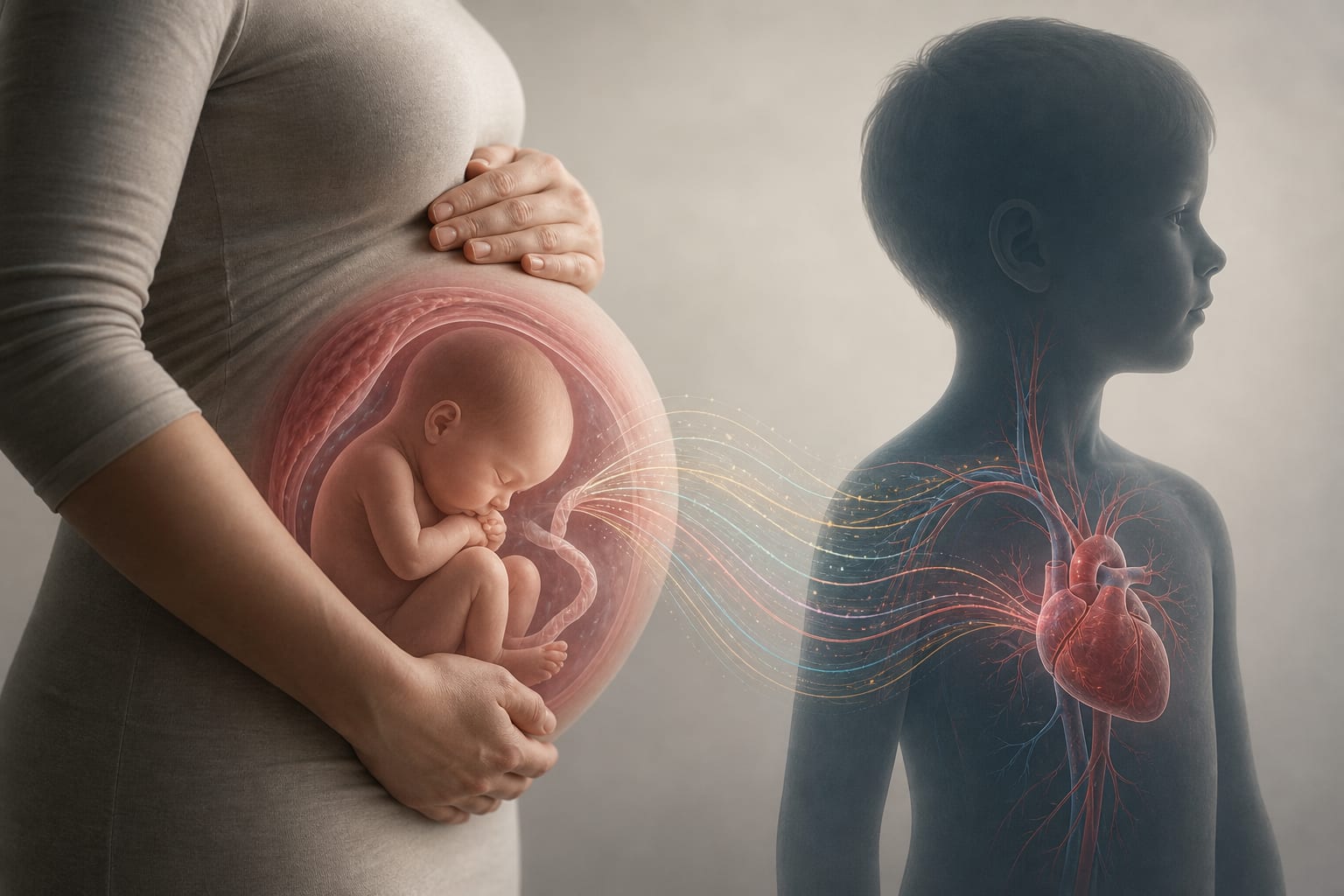
Linking Maternal Thyroid Function to Negative Outcomes in Pregnant Women and Their Offspring: Insights from an Umbrella Review
By
Jiani Zhang
Yingying Chen
Guiqiong Huang
Chunyan Deng
Chihui Mao
Bingjie Li
Xiaodong Wang
Haiyan Yu
April 11, 2026
Clinical Scorecard: Linking Maternal Thyroid Function to Negative Outcomes in Pregnant Women and Their Offspring: Insights from an Umbrella Review
At a Glance
Category Detail
Condition Maternal Thyroid Dysfunction Key Mechanisms Thyroid hormones regulate metabolism, growth, and brain development; abnormalities during pregnancy can lead to adverse outcomes. Target Population Pregnant women and their offspring Care Setting Obstetric and maternal-fetal medicine
Key Highlights
Thyroid hormones are crucial for fetal growth and brain development. Thyroid dysfunction can lead to miscarriage, preterm delivery, and neurodevelopmental deficiencies. Physiological changes during pregnancy affect thyroid hormone levels. Inconsistent research findings on the relationship between gestational diabetes and thyroid diseases. No uniform standards for managing thyroid dysfunction in pregnancy. Guideline-Based Recommendations
Diagnosis
Monitor thyroid hormone levels in pregnant women, especially in those with risk factors. Management
Ensure adequate iodine intake and manage thyroid hormone levels to prevent adverse outcomes. Monitoring & Follow-up
Regular assessment of thyroid function throughout pregnancy. Risks
Increased incidence of miscarriage, placental abruption, and low birth weight associated with uncontrolled thyroid dysfunction. Patient & Prescribing Data
Pregnant women with thyroid dysfunction or at risk of thyroid disorders.
Untreated hypothyroidism can lead to significant adverse pregnancy complications.
Clinical Best Practices
Conduct thorough evaluations of thyroid function in pregnant patients. Educate patients on the importance of thyroid health during pregnancy. Implement individualized management plans for women with thyroid dysfunction. Related Resources & Content