Correction: Bridging reward and resilience: the endocannabinoid system as a unifying mechanism in exercise-induced protection against major depressive disorder - Scorecard - MDSpire
Advertisement
Correction: Bridging reward and resilience: the endocannabinoid system as a unifying mechanism in exercise-induced protection against major depressive disorder
Clinical Scorecard: Correction: Connecting Reward and Resilience: The Role of the Endocannabinoid System in Exercise-Related Protection Against Major Depressive Disorder
At a Glance
Category
Detail
Condition
Major Depressive Disorder
Key Mechanisms
Endocannabinoid system involvement in exercise-induced protection
Target Population
Individuals with Major Depressive Disorder
Care Setting
Psychiatric and mental health care
Key Highlights
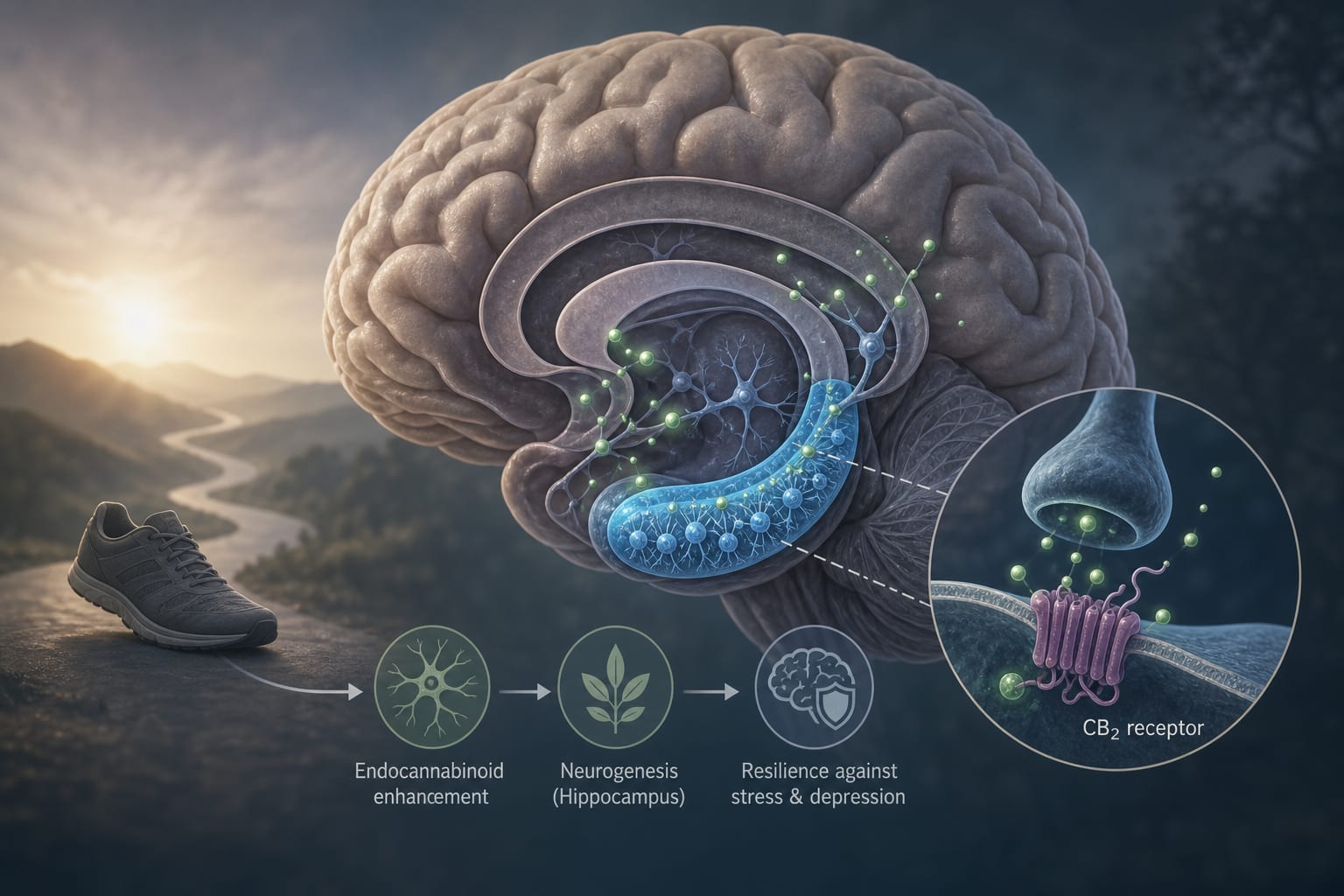
Endocannabinoid system plays a role in exercise-related protection against depression.
CB2 receptor activity is necessary for antidepressant-like effects.
Exercise may enhance neurogenesis through endocannabinoid signaling.
Guideline-Based Recommendations
Diagnosis
Consider the role of the endocannabinoid system in the assessment of Major Depressive Disorder.
Management
Incorporate physical exercise as a therapeutic strategy for depression.
Monitoring & Follow-up
Monitor changes in neuroplasticity and behavioral responses in patients undergoing exercise therapy.
Risks
Evaluate the potential for differential effects of endocannabinoid modulation on anxiety and depression.
Patient & Prescribing Data
Patients diagnosed with Major Depressive Disorder
Exercise may serve as a complementary treatment alongside conventional antidepressants.
Clinical Best Practices
Integrate exercise programs into treatment plans for patients with depression.
Assess the impact of endocannabinoid signaling on treatment outcomes.