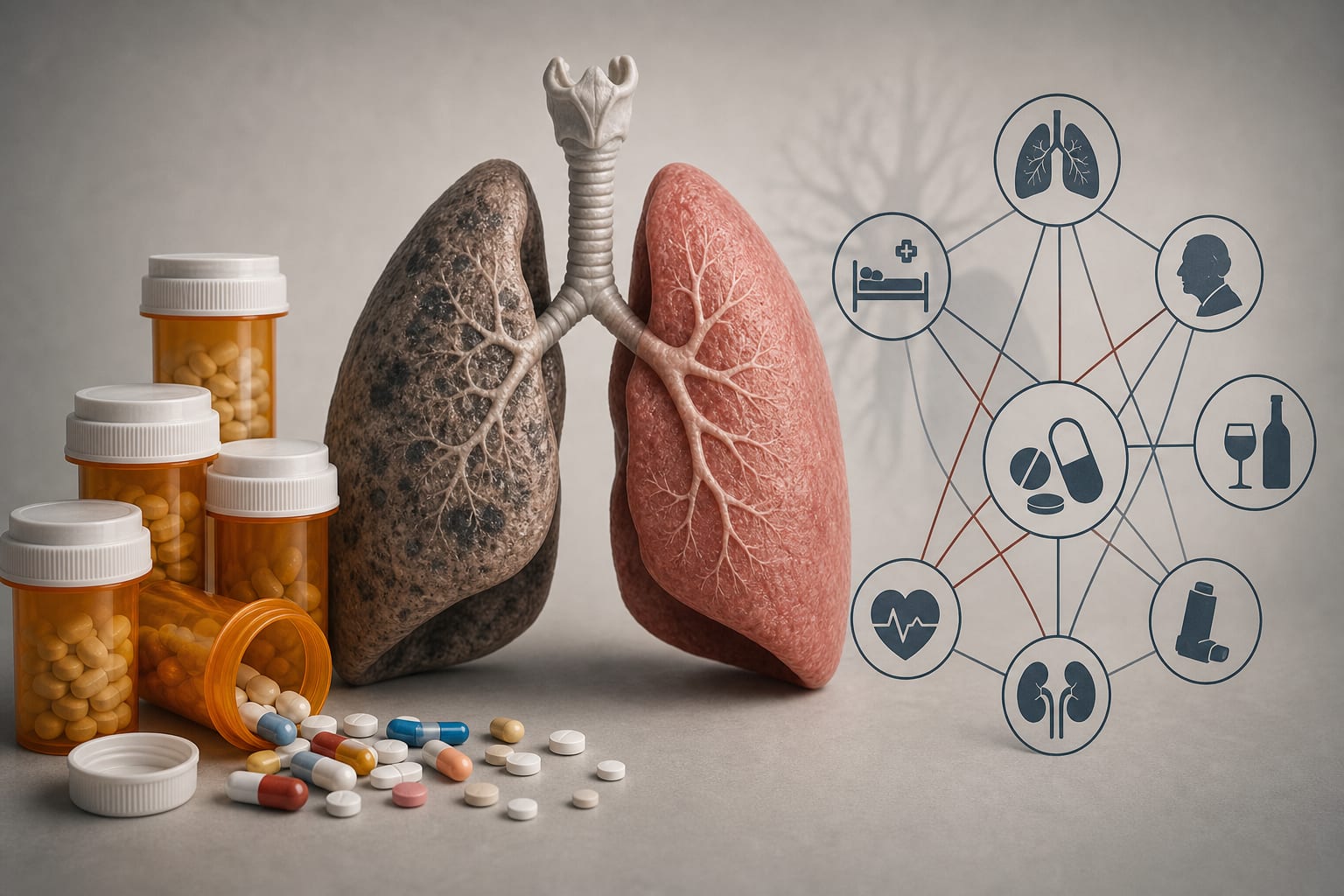
Clinical Scorecard: Understanding Pulmonary Hypertension and the Potential Role of a Novel GLP-1 Medication
At a Glance
Category
Detail
Condition
Pulmonary Hypertension
Key Mechanisms
Elevated blood pressure in the blood vessels of the lungs, potentially aggravated by obesity and metabolic syndrome.
Target Population
Individuals with pulmonary hypertension, particularly those with obesity and related conditions.
Care Setting
Clinical settings addressing pulmonary hypertension and related cardiovascular issues.
Key Highlights
Pulmonary hypertension affects approximately 1% of the world population, with varying causes and treatments.
Obesity can exacerbate pulmonary hypertension symptoms and complications.
GLP-1 medications may have potential benefits in managing pulmonary hypertension, especially in patients with heart failure with preserved ejection fraction.
There are five groups of pulmonary hypertension, each with different underlying causes and treatment approaches.
Surgical and medical therapies exist for specific types of pulmonary hypertension, particularly chronic blood clots.
Guideline-Based Recommendations
Diagnosis
Diagnosis involves assessing symptoms like shortness of breath, lightheadedness, and fatigue, along with imaging and hemodynamic measurements.
Management
Management strategies vary by group; for Group 4, surgical removal of chronic blood clots can lead to resolution.
Monitoring & Follow-up
Regular monitoring of symptoms and hemodynamic status is essential, particularly in advanced cases.
Risks
Risks include heart failure, decreased oxygenation, and complications from obesity.
Patient & Prescribing Data
Patients with pulmonary hypertension, particularly those with obesity and related comorbidities.
GLP-1 medications may help reduce inflammation and stress on the heart in certain pulmonary hypertension cases.
Clinical Best Practices
Consider the underlying cause of pulmonary hypertension when determining treatment.
Address obesity and related conditions as part of the management plan.
Utilize a multidisciplinary approach for comprehensive care.