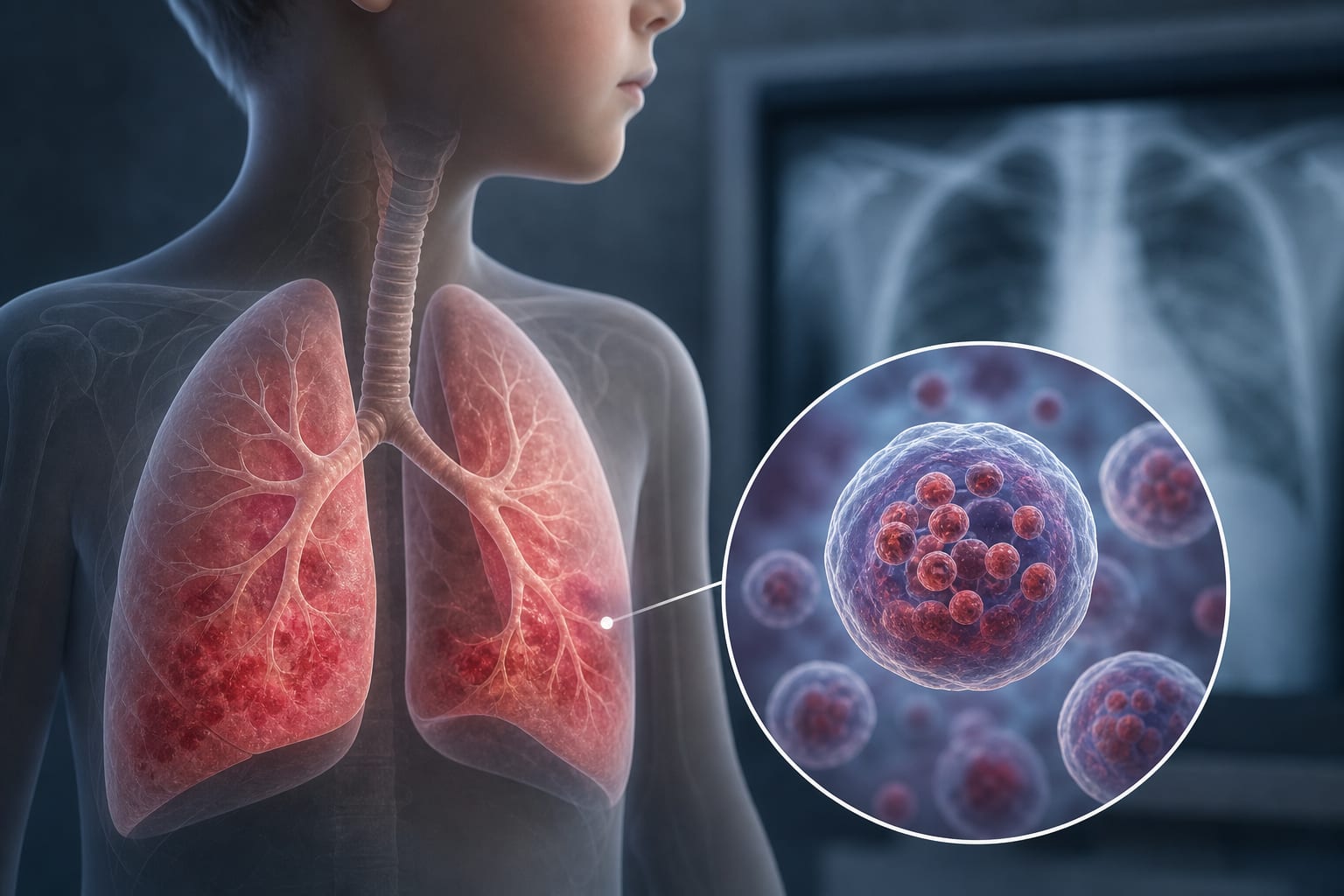
Hemodynamic phenotyping of bronchopulmonary dysplasia: from transitional circulation to precision cardiopulmonary care
By
Gabriela S. Trindade
Bianca C. Benincasa
Rita C. Silveira
Renato S. Procianoy
June 25, 2026
Clinical Scorecard: Characterizing Hemodynamics in Bronchopulmonary Dysplasia: Advancing from Transitional Circulation to Tailored Cardiopulmonary Management
At a Glance
Category Detail
Condition Bronchopulmonary Dysplasia (BPD) Key Mechanisms Disrupted vascular development, abnormal transitional circulation, ventricular dysfunction. Target Population Extremely preterm infants. Care Setting Neonatal intensive care units.
Key Highlights
BPD is a complex cardiopulmonary syndrome involving pulmonary vascular disease and pulmonary hypertension. Early hemodynamic assessment can detect subclinical pulmonary vascular disease and ventricular dysfunction. Phenotype-based classification supports individualized cardiopulmonary management. Guideline-Based Recommendations
Diagnosis
Utilize targeted neonatal echocardiography for early hemodynamic assessment. Management
Implement individualized therapeutic strategies based on phenotypic classification. Monitoring & Follow-up
Monitor biomarkers such as NT-proBNP for risk stratification. Risks
BPD-PH develops in approximately 25% of infants with moderate-to-severe BPD, associated with poor outcomes. Patient & Prescribing Data
Preterm infants at risk for BPD and associated complications.
Precision management may prevent pulmonary vascular disease and long-term sequelae.
Clinical Best Practices
Focus on early detection and management of hemodynamic instability. Consider the impact of patent ductus arteriosus on pulmonary overcirculation. Related Resources & Content