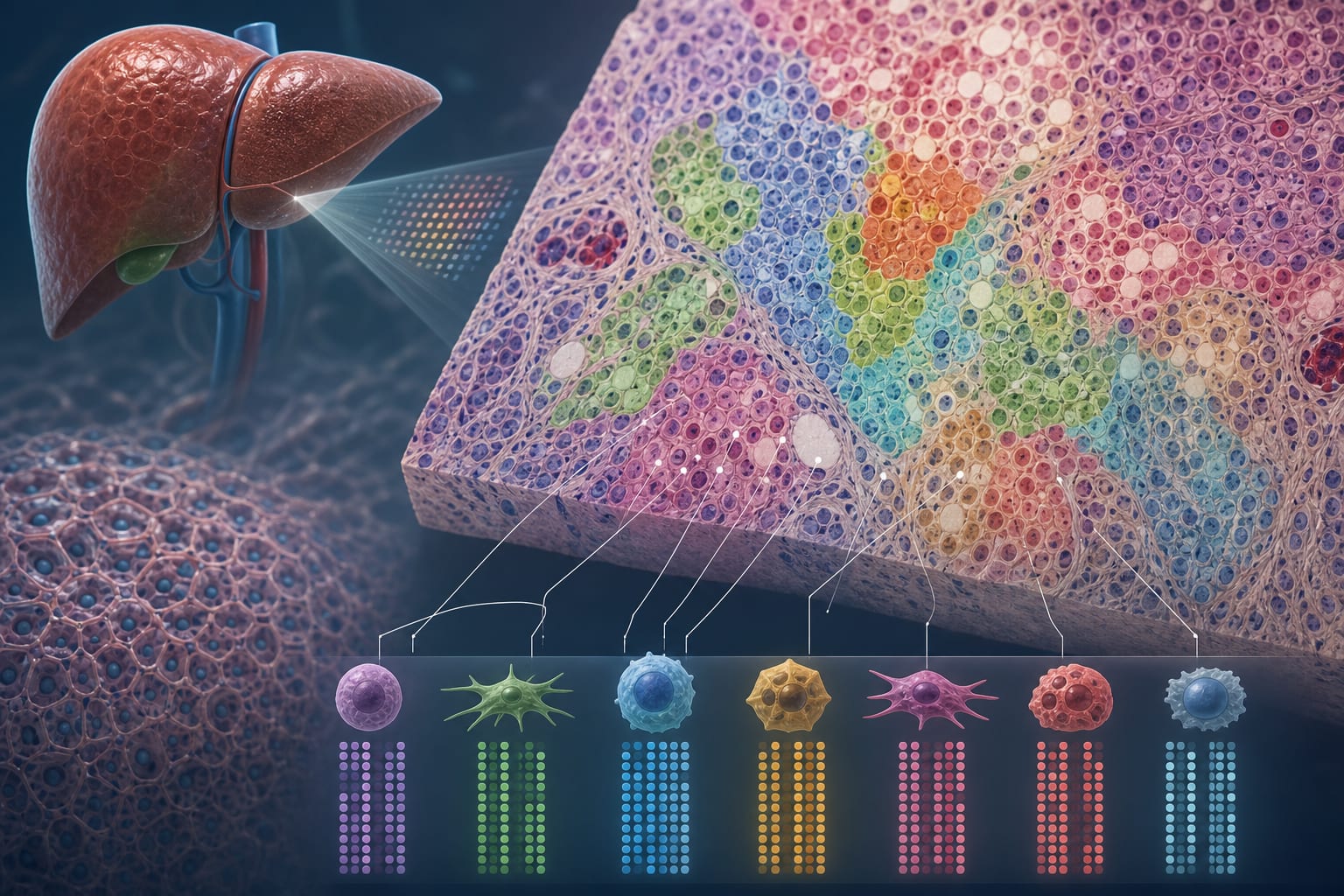
Nutritional Guidance for Individuals with Chronic Liver Conditions: Enhancing Awareness Among Non-Specialist Physicians
Clinical Scorecard: Nutritional Guidance for Individuals with Chronic Liver Conditions: Enhancing Awareness Among Non-Specialist Physicians
At a Glance
Category Detail
Condition Chronic liver disorders including MAFLD, chronic hepatitis B and C, cirrhosis, ascites, hepatic encephalopathy Key Mechanisms Malnutrition, protein-energy wasting, micronutrient deficiencies impacting clinical outcomes and quality of life Target Population Patients with chronic liver disease managed by hepatologists and non-hepatologist physicians Care Setting Hospitals and community healthcare settings involving multidisciplinary teams
Key Highlights
Malnutrition and micronutrient deficiencies are common in chronic liver disease and worsen clinical outcomes. Nutritional assessment and advice are essential components of CLD management but awareness varies between hepatologists and non-hepatologists. Micronutrients, proteins, and carbohydrates are recognized as essential nutrients; fats are less emphasized. Guideline-Based Recommendations
Diagnosis
Conduct nutritional assessment in all patients with chronic liver disease. Recognize malnutrition, protein-energy wasting, and micronutrient deficiencies as key clinical concerns. Management
Advocate adequate energy and protein intake consistent with Mediterranean diet principles. Provide nutritional advice tailored to liver disease stage and patient needs where possible. Emphasize micronutrient supplementation including vitamins and minerals. Monitoring & Follow-up
Regularly evaluate nutritional status, especially in patients with ascites and hepatic encephalopathy. Monitor dietary adherence and adjust recommendations as disease progresses. Risks
Malnutrition and inadequate nutrient intake increase hospitalization rates and worsen quality of life. Dietary patterns high in refined carbohydrates, saturated fats, and low fiber contribute to obesity-related complications in CLD. Patient & Prescribing Data
Patients with chronic liver disease including cirrhosis, fatty liver disease, ascites, and hepatic encephalopathy
Majority of hepatologists (68%) recommend nutritional advice for all CLD patients; non-hepatologists show lower awareness and recommendation rates.
Clinical Best Practices
Incorporate nutrition-focused training for all physicians involved in liver disease management. Use structured nutritional questionnaires to assess physician awareness and patient needs. Adopt a multidisciplinary approach involving hepatologists, general practitioners, endocrinologists, and cardiologists. Promote Mediterranean diet principles adapted to local dietary patterns. Prioritize education on the importance of micronutrients, proteins, and carbohydrates in CLD. Related Resources & Content