Clinical Scorecard: FDA approves durvalumab for bladder cancer
At a Glance
Category
Detail
Condition
Muscle-invasive bladder cancer (MIBC)
Key Mechanisms
Neoadjuvant durvalumab plus enfortumab vedotin-ejfv, followed by adjuvant single-agent durvalumab after radical cystectomy.
Target Population
Adults with MIBC who are ineligible for or have refused cisplatin-based chemotherapy and are candidates for radical cystectomy.
Care Setting
Perioperative treatment around radical cystectomy.
Key Highlights
The FDA approved durvalumab with enfortumab vedotin-ejfv before radical cystectomy, followed by durvalumab alone after surgery.
Approval followed the randomized, open-label VOLGA trial of 695 patients.
Compared with radical cystectomy alone, the combination demonstrated statistically significant improvements in event-free and overall survival.
Median event-free survival was not reached with the combination and was 12.1 months with surgery alone; median overall survival was not reached in either group.
Common adverse reactions and laboratory abnormalities occurring in more than 20% included elevated AST and ALT, decreased hemoglobin, rash, pruritus, urinary tract infection, fatigue, diarrhea, nausea, and peripheral neuropathy.
Guideline-Based Recommendations
Diagnosis
Management
Monitoring & Follow-up
Risks
Patient & Prescribing Data
Adults with MIBC who are candidates for radical cystectomy and are ineligible for or have refused cisplatin-based chemotherapy.
Durvalumab is given with neoadjuvant enfortumab vedotin-ejfv before surgery, then continued as adjuvant monotherapy. Durvalumab dosing is weight-based for patients under 30 kg.
Board-certified urologist Yvonne K. P. Koch, M.D., has joined Baptist Health Urology. She specializes in general urology and male and female voiding dysfunction.
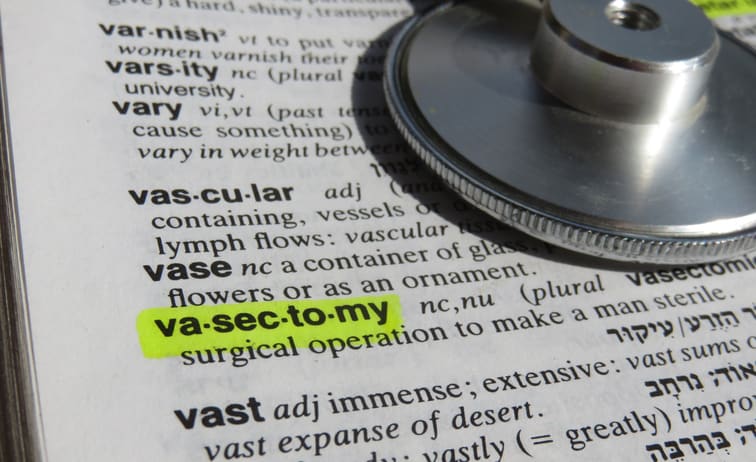
Surgery and histopathology identified retained silk ligature with chronic inflammation at the site of a rare fistula presenting 3 years following vasectomy.