Clinician and patient perspectives on digital technology platforms for healthcare delivery
-
By
-
Lillian C. Chen
-
Mahsa Yarmohammadi
-
Peter P. Zandi
-
Melvin Ortega
-
Shari M. Lawson
-
Ore Afon
-
Mark Dredze
-
Leslie Miller
-
June 23, 2026
-
Clinical Scorecard: Insights from Clinicians and Patients on the Use of Digital Platforms in Healthcare Delivery
At a Glance
| Category | Detail |
|---|
| Condition | Digital Technology Platforms in Healthcare |
| Key Mechanisms | AI chatbots providing health information via digital conversational interfaces |
| Target Population | Clinicians and patients in young adult mental health and prenatal care |
| Care Setting | Clinical settings utilizing digital technology for healthcare delivery |
Key Highlights
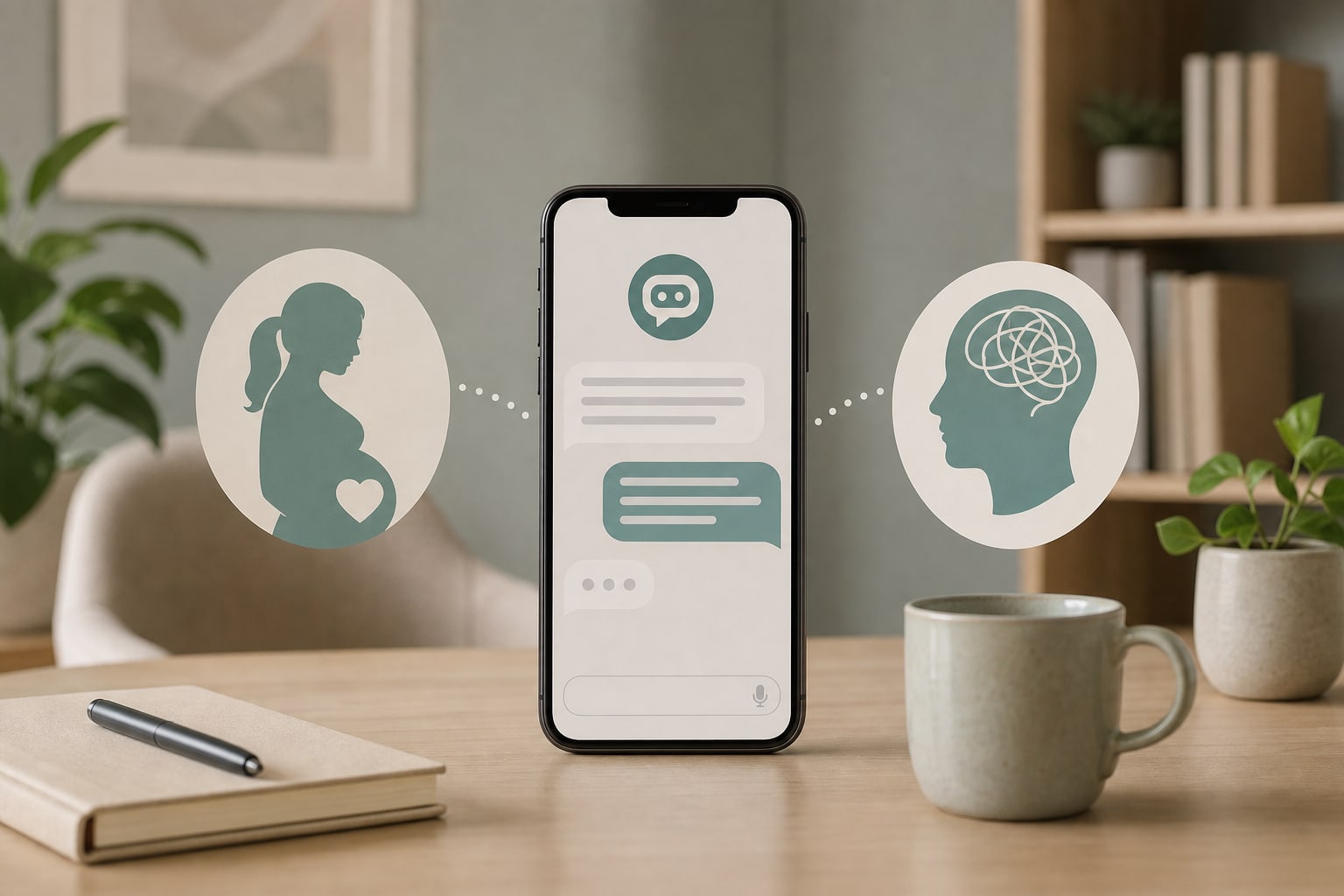
- Both clinicians and patients recognize advantages of AI chatbots but express concerns about misuse and context.
- Patients often prefer digital resources for faster answers, despite concerns about accuracy and compassion.
- Providers worry about misinformation affecting patient expectations and the provider-patient dynamic.
- The study involved focus groups with clinicians and patients to explore their experiences and concerns.
- Concerns include data security, quality of information, and the absence of human interaction in AI chatbots.
Guideline-Based Recommendations
Diagnosis
Management
- Advocate for clear, culturally attuned communication and transparent source attribution in AI chatbots.
Monitoring & Follow-up
Risks
- Potential misuse of AI chatbots and inability to account for clinical context.
Patient & Prescribing Data
Patients receiving mental health or prenatal care
Patients express unease about AI chatbots, citing risks of inaccuracies and data security.
Clinical Best Practices
- Encourage follow-up with healthcare professionals after using AI chatbots for health information.
- Utilize trusted sources to counter misinformation and unrealistic patient expectations.
Related Resources & Content