Gait analysis in cerebral palsy (2005–2025): a bibliometric mapping of research trends, collaboration networks, and emerging technologies - Scorecard - MDSpire
Advertisement
Gait analysis in cerebral palsy (2005–2025): a bibliometric mapping of research trends, collaboration networks, and emerging technologies
Clinical Scorecard: Trends in Gait Analysis for Cerebral Palsy (2005–2025): A Bibliometric Study of Research Patterns, Collaborative Networks, and Innovative Technologies
At a Glance
Category
Detail
Condition
Cerebral Palsy
Key Mechanisms
Gait dysfunction limiting mobility and quality of life
Target Population
Children with cerebral palsy
Care Setting
Research and clinical decision-making
Key Highlights
1,404 publications identified from 2005 to 2025
Annual output of publications grew from 26 to 112
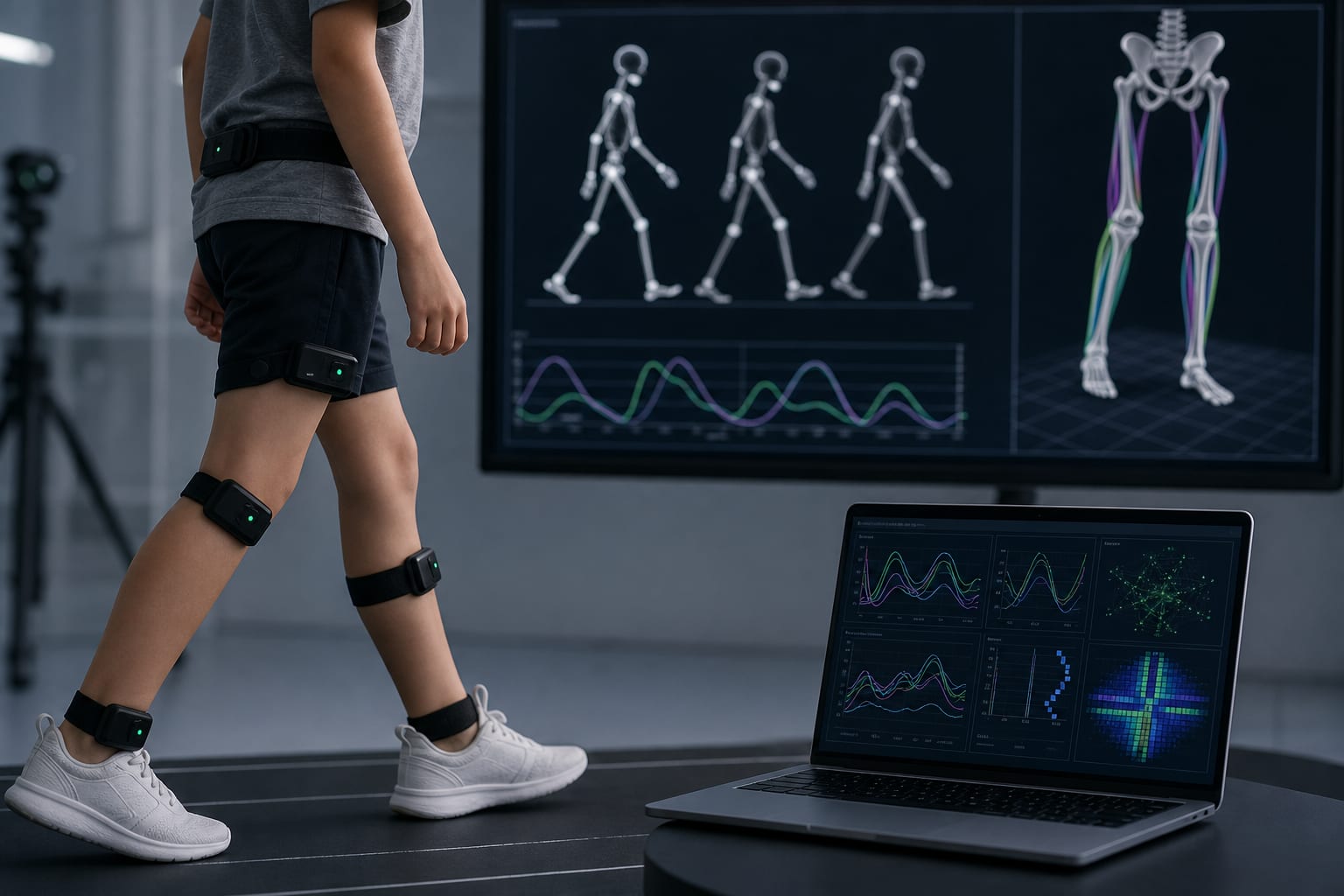
Emerging technologies include wearable sensors and artificial intelligence
Persistent themes include crouch gait and gross motor function
Intervention studies linking gait analysis to patient outcomes are underrepresented
Guideline-Based Recommendations
Diagnosis
Utilize quantitative gait analysis for objective assessment
Management
Incorporate technology-assisted rehabilitation in clinical practice
Monitoring & Follow-up
Prioritize multi-center validation and real-world implementation studies
Risks
Limited adoption of emerging technologies in current practice
Patient & Prescribing Data
Children diagnosed with cerebral palsy
Focus on integrating gait analysis with clinical decision-making
Clinical Best Practices
Employ three-dimensional motion capture for gait analysis
Utilize multi-modal integrated analysis for comprehensive assessment
Encourage collaboration among researchers to enhance study robustness