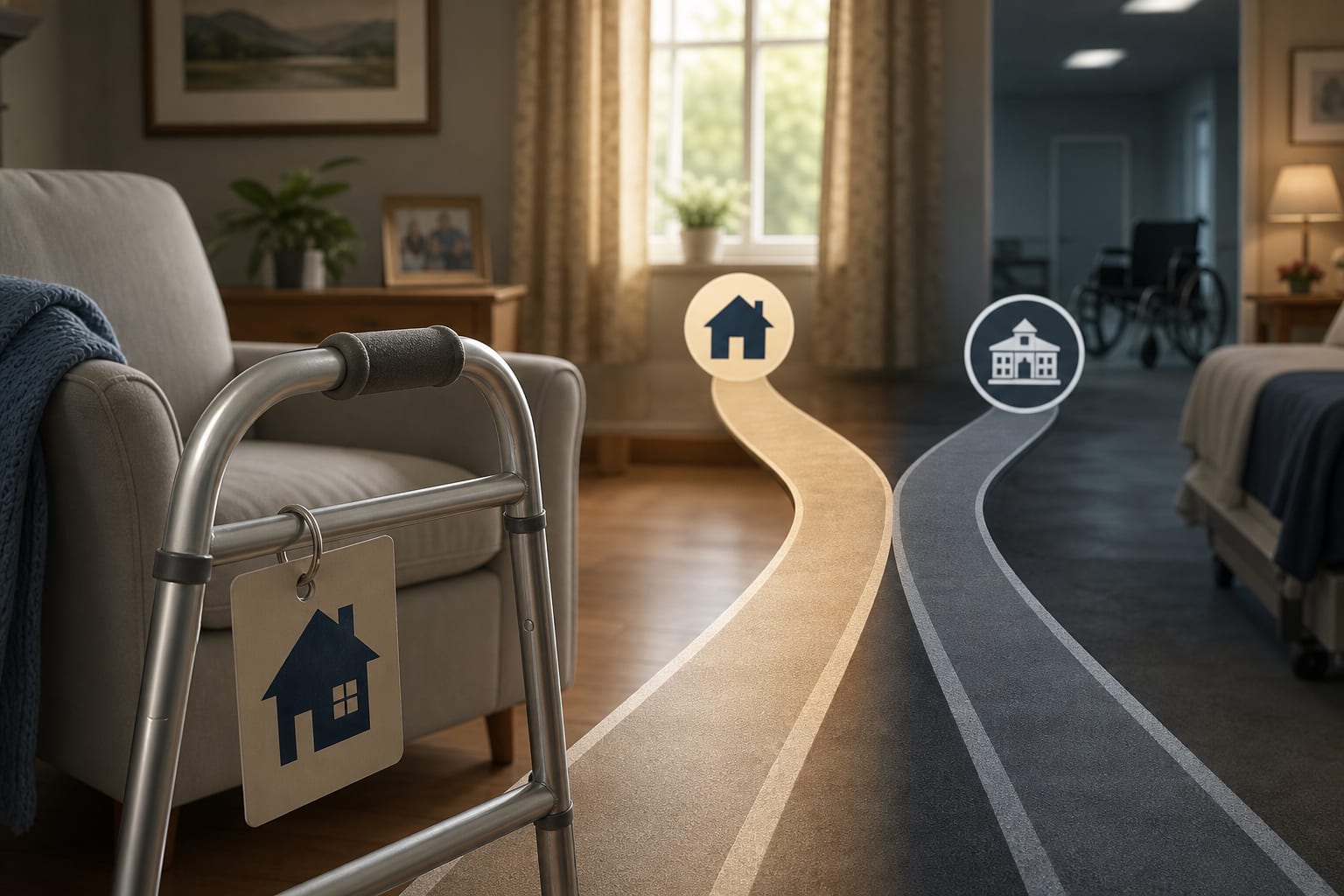
Home Recovery Duration Following Hip Fracture in Elderly Individuals With and Without Dementia
-
By
-
Rebecca Rodin
-
Alexander K. Smith
-
Siqi Gan
-
Edie Espejo
-
John Boscardin
-
Lauren J. Hunt
-
Carmen E. Quatman
-
R. Sean Morrison
-
June 16, 2026
Clinical Scorecard: Home Recovery Duration Following Hip Fracture in Elderly Individuals With and Without Dementia
At a Glance
| Category | Detail |
|---|
| Condition | Hip Fracture in Older Adults |
| Key Mechanisms | Association with high mortality, functional decline, and healthcare expenditures; impact of dementia on recovery outcomes. |
| Target Population | Community-dwelling older adults (aged 65 years or older) with and without dementia. |
| Care Setting | Home and institutional settings (hospitals, rehabilitation facilities, nursing homes). |
Key Highlights
- Hip fractures are nearly twice as frequent in individuals with dementia.
- Days at home is a validated outcome measure post-fracture.
- Study utilized 100% Medicare claims data for analysis.
- Minimum clinically important differences for days at home established.
- Survival outcomes assessed within 1 year post-fracture.
Guideline-Based Recommendations
Diagnosis
- Dementia status determined using validated ICD-9 and ICD-10 codes.
Management
- Focus on postfracture rehabilitation and care planning for individuals with dementia.
Monitoring & Follow-up
- Track days at home as a continuous variable post-fracture.
Risks
- High mortality and functional decline associated with hip fractures, particularly in dementia patients.
Patient & Prescribing Data
Older adults (aged 65 years or older) with hip fractures.
Consideration of individual factors influencing recovery and days at home.
Clinical Best Practices
- Utilize validated methods for assessing dementia and hip fracture outcomes.
- Incorporate days at home in care planning discussions.
- Assess survival and place of death to inform end-of-life care.
Related Resources & Content