Clinical Scorecard: Comparative Analysis of Bariatric Surgery and Nutritional Approaches in Treating Adolescent Obesity: A Retrospective Cohort Investigation
At a Glance
Category
Detail
Condition
Severe obesity (class II and III) in adolescents
Key Mechanisms
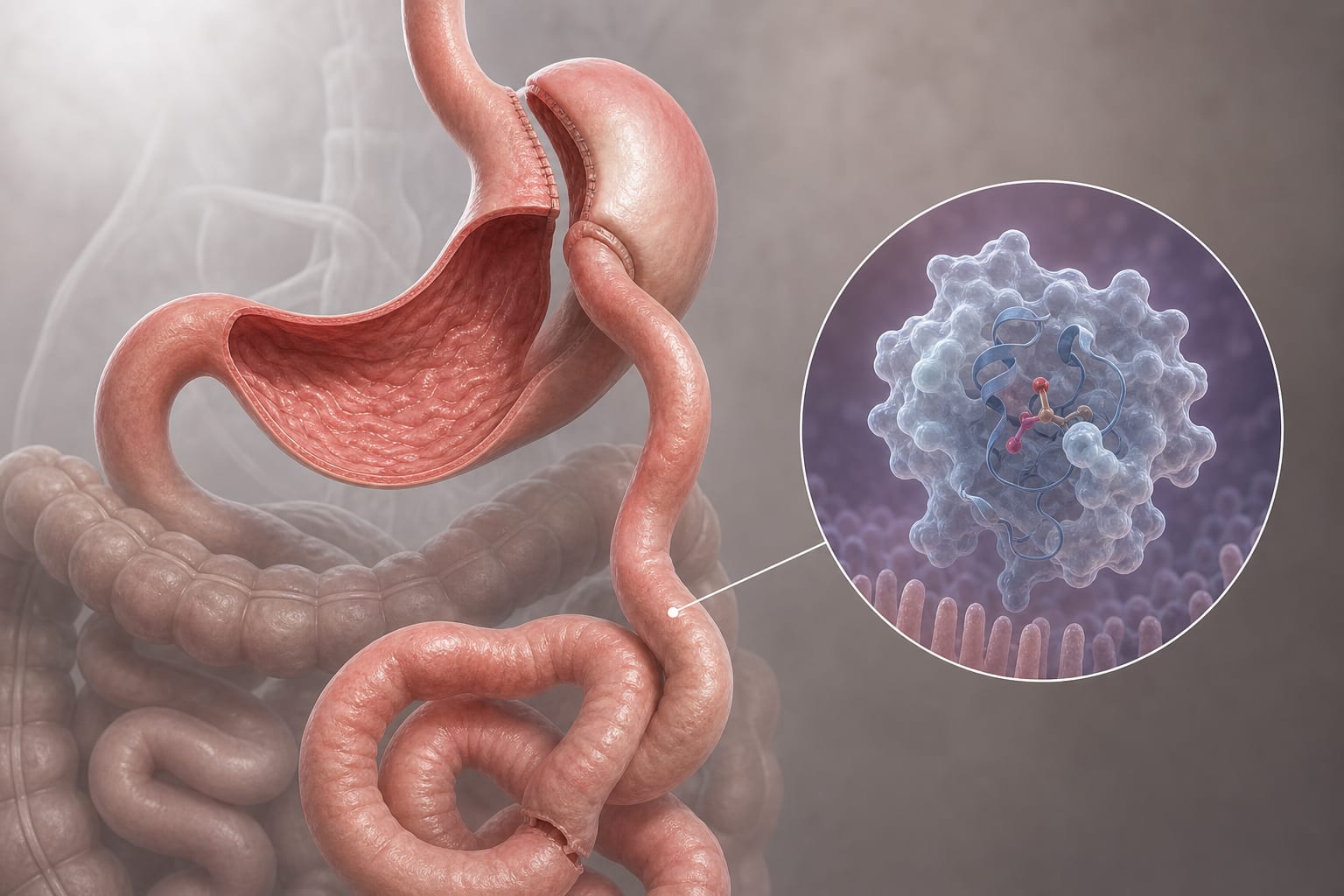
Bariatric surgery (laparoscopic sleeve gastrectomy) reduces stomach capacity and ghrelin production, leading to decreased appetite and early satiety; nutritional intervention focuses on dietitian-guided lifestyle changes
Target Population
Adolescents aged 13–18 with class II obesity and significant comorbidities or class III obesity
Care Setting
Specialized bariatric surgery centers and outpatient nutritional intervention programs within national health systems
Key Highlights
Severe adolescent obesity prevalence is rising, associated with significant physical and psychological comorbidities.
Laparoscopic sleeve gastrectomy (LSG) is the most common bariatric procedure in adolescents due to favorable risk profile and efficacy.
Nutritional deficiencies post-bariatric surgery require supplementation, but adherence is often poor.
Guideline-Based Recommendations
Diagnosis
Class II obesity defined as BMI ≥ 120% of the 95th percentile; class III obesity as BMI ≥ 140% of the 95th percentile.
Assessment of obesity-related comorbidities (e.g., type 2 diabetes, hypertension) to determine surgical eligibility.
Bone age assessment to confirm ≥95% growth completion before surgery (≥15 years in boys, ≥13 years in girls).
Management
First-line treatment includes lifestyle modification with diet and exercise.
Bariatric surgery (LSG) is indicated for adolescents with class II obesity plus significant comorbidities or class III obesity.
Nutritional intervention includes individualized or group dietitian sessions, with at least three visits to ensure meaningful engagement.
Post-operative routine nutritional supplementation is mandatory to prevent deficiencies.
Monitoring & Follow-up
Regular follow-up for weight and BMI tracking over at least five years.
Annual laboratory monitoring of hemoglobin, TSH, vitamin B12, vitamin D, and folic acid levels.
Monitoring adherence to nutritional supplementation post-surgery.
Risks
Potential for nutritional deficiencies, especially vitamin B12, ferritin, and transferrin after bariatric surgery.
Psychological comorbidities such as depression and anxiety may complicate treatment adherence.
Surgical risks and irreversible nature of bariatric procedures necessitate cautious patient selection.
Patient & Prescribing Data
Adolescents aged 13–18 with severe obesity undergoing either bariatric surgery or nutritional intervention
Bariatric surgery shows sustained weight loss and comorbidity resolution but requires lifelong supplementation; nutritional interventions depend on patient engagement and may yield modest weight loss.
Clinical Best Practices
Ensure multidisciplinary evaluation including psychological assessment before bariatric surgery.
Confirm skeletal maturity via bone age before surgical intervention.
Implement structured nutritional supplementation protocols post-surgery with patient education to improve adherence.
Offer flexible nutritional intervention options (individual or group sessions) tailored to patient preference and engagement.
Conduct long-term follow-up (minimum five years) to monitor weight, nutritional status, and comorbidities.
Mendelian randomization analyses linked higher birthweight with greater mid-childhood height but the connection could reflect genetic factors related to skeletal growth.