Investigation of bioimpedance as a method for wearable noninvasive bladder volume measurements in individuals with spinal cord injury or disease: protocol of a feasibility study - Scorecard - MDSpire

Investigation of bioimpedance as a method for wearable noninvasive bladder volume measurements in individuals with spinal cord injury or disease: protocol of a feasibility study

  • By

  • Judith Jantine Willemijn van Beek

  • Kanika Dheman

  • Sabrina Amrein

  • Michele Magno

  • Diego Paez-Granados

  • Jürgen Pannek

  • Jörg Krebs

  • June 11, 2026

  • 0 min

Share

Clinical Scorecard: Exploring the Use of Bioimpedance Technology for Noninvasive Bladder Volume Assessment in Patients with Spinal Cord Injury or Disease: A Feasibility Study Protocol
At a Glance

CategoryDetail
ConditionNeurogenic lower urinary tract dysfunction (NLUTD)
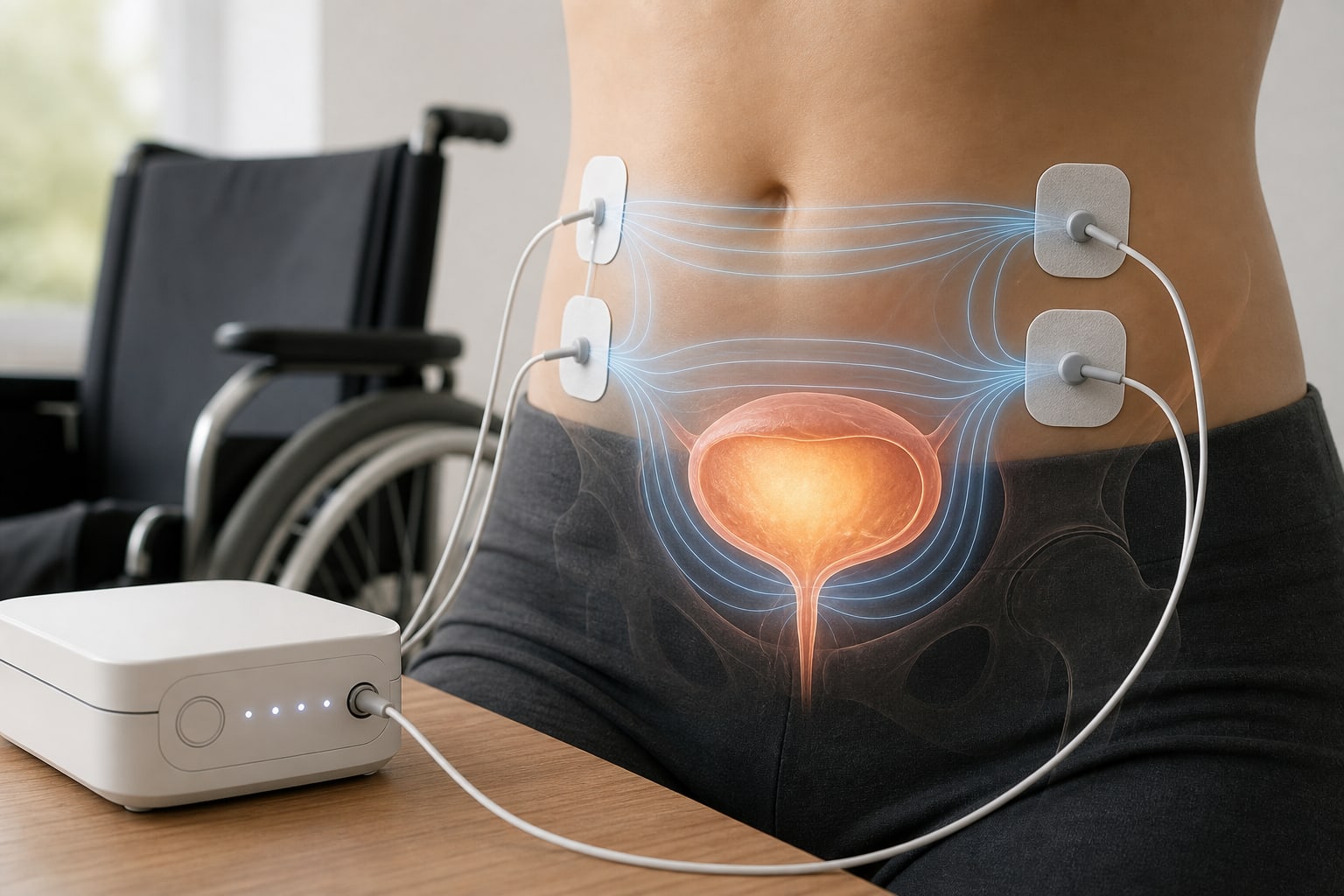
Key MechanismsElectrical bioimpedance (BI) measures the impedimetric response of tissue to an applied electrical signal to estimate bladder volume.
Target PopulationIndividuals with spinal cord injury or disease (SCI/D) and NLUTD.
Care SettingMulti-center observational study in specialized centers for acute care and rehabilitation.

Key Highlights

  • NLUTD affects 70-84% of individuals with SCI/D.
  • Intermittent catheterization (IC) is the first-line management for bladder emptying.
  • BI technology offers a noninvasive method for continuous bladder volume monitoring.
  • The study evaluates BI sensor feasibility across three phases.
  • Primary outcome is the difference in bladder volume between BI measurements and catheterized volumes.

Guideline-Based Recommendations

Diagnosis

  • Assessment of bladder function in individuals with SCI/D.

Management

  • Intermittent catheterization (IC) four to six times daily to prevent bladder overdistension.

Monitoring & Follow-up

  • Continuous monitoring of bladder volume using noninvasive methods.

Risks

  • Complications from poorly managed bladder function, including urinary incontinence and autonomic dysreflexia.

Patient & Prescribing Data

Individuals with spinal cord injury or disease (SCI/D) experiencing NLUTD.

Personalized scheduling for catheterization is essential due to varying daily factors.

Clinical Best Practices

  • Utilize noninvasive methods for bladder volume assessment to improve patient comfort.
  • Tailor catheterization schedules to individual needs and bladder function.

Related Resources & Content

Original Source(s)

Related Content