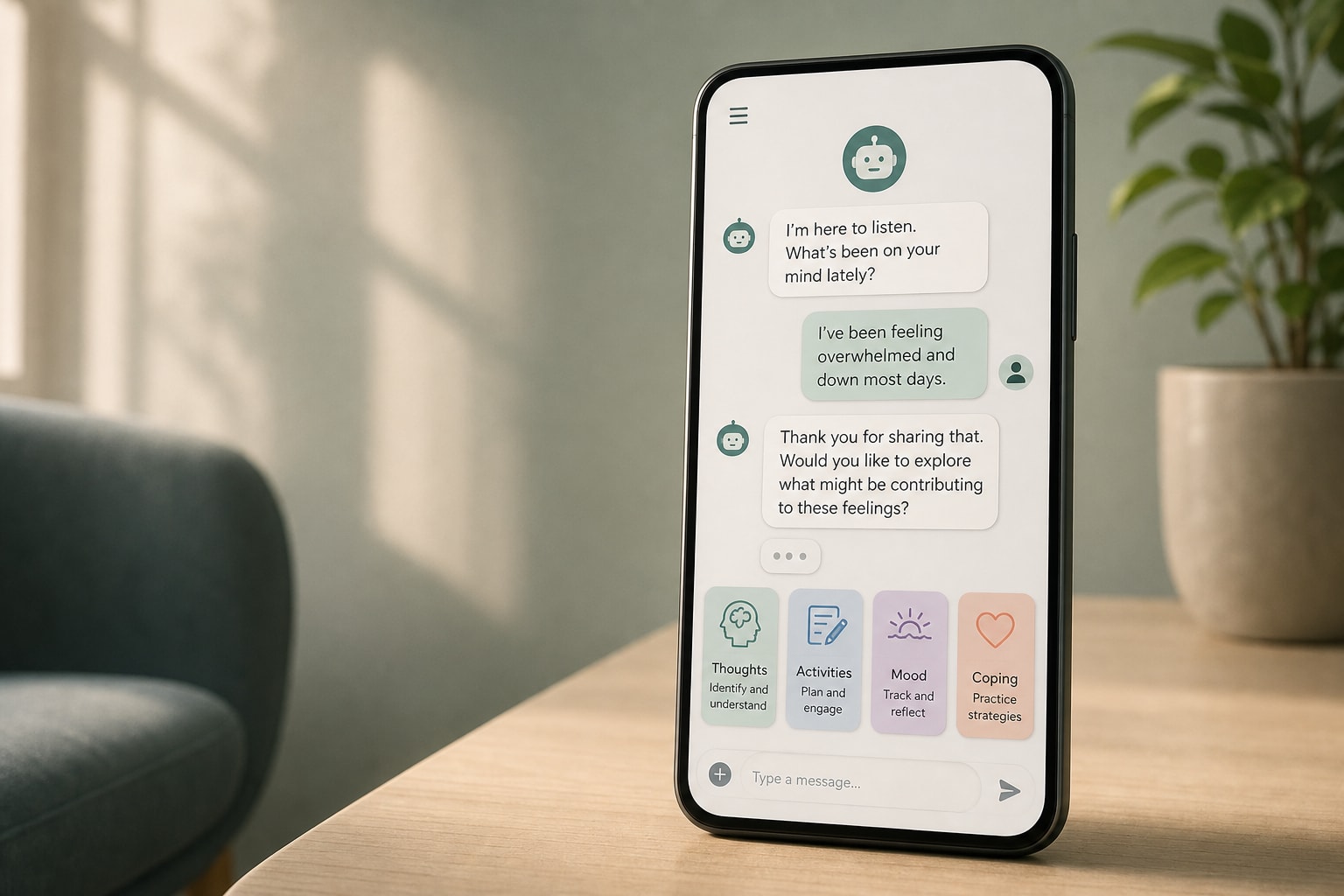
Therapeutic Interaction Features of AI Chatbots in Depression Interventions: Systematic Review and Meta-Analysis
By
Ting Huang
Shuangyu Li
Yanzhong Wang
Wei Liu
June 30, 2026
Clinical Scorecard: Exploring the Therapeutic Features of AI Chatbots in Managing Depression: A Systematic Review and Meta-Analysis
At a Glance
Category Detail
Condition Depression Key Mechanisms AI-driven chatbots provide ongoing conversational support, enhancing user engagement and therapeutic effectiveness. Target Population Individuals experiencing mild to moderate depression. Care Setting Digital mental health interventions (DMHIs)
Key Highlights
Over 280 million people worldwide are affected by depression. Digital mental health interventions can achieve clinical outcomes comparable to traditional therapies. AI chatbots are designed for sustained, interactive dialogue, improving user retention. High dropout rates in DMHIs highlight the need for engaging, personalized support. User experience with AI chatbots is influenced by therapeutic alliance and content engagement. Guideline-Based Recommendations
Diagnosis
Assess depression severity using standardized tools. Management
Consider AI-driven chatbots as adjuncts to traditional therapies for mild to moderate depression. Monitoring & Follow-up
Evaluate user engagement and clinical effectiveness regularly. Risks
Monitor for high dropout rates and low retention in digital interventions. Patient & Prescribing Data
Individuals with mild to moderate depression seeking accessible mental health support.
AI chatbots can enhance therapeutic engagement through interactive dialogue.
Clinical Best Practices
Incorporate AI chatbots into treatment plans for improved accessibility. Focus on enhancing user engagement to reduce dropout rates. Evaluate both engagement and clinical outcomes in digital mental health interventions. Related Resources & Content