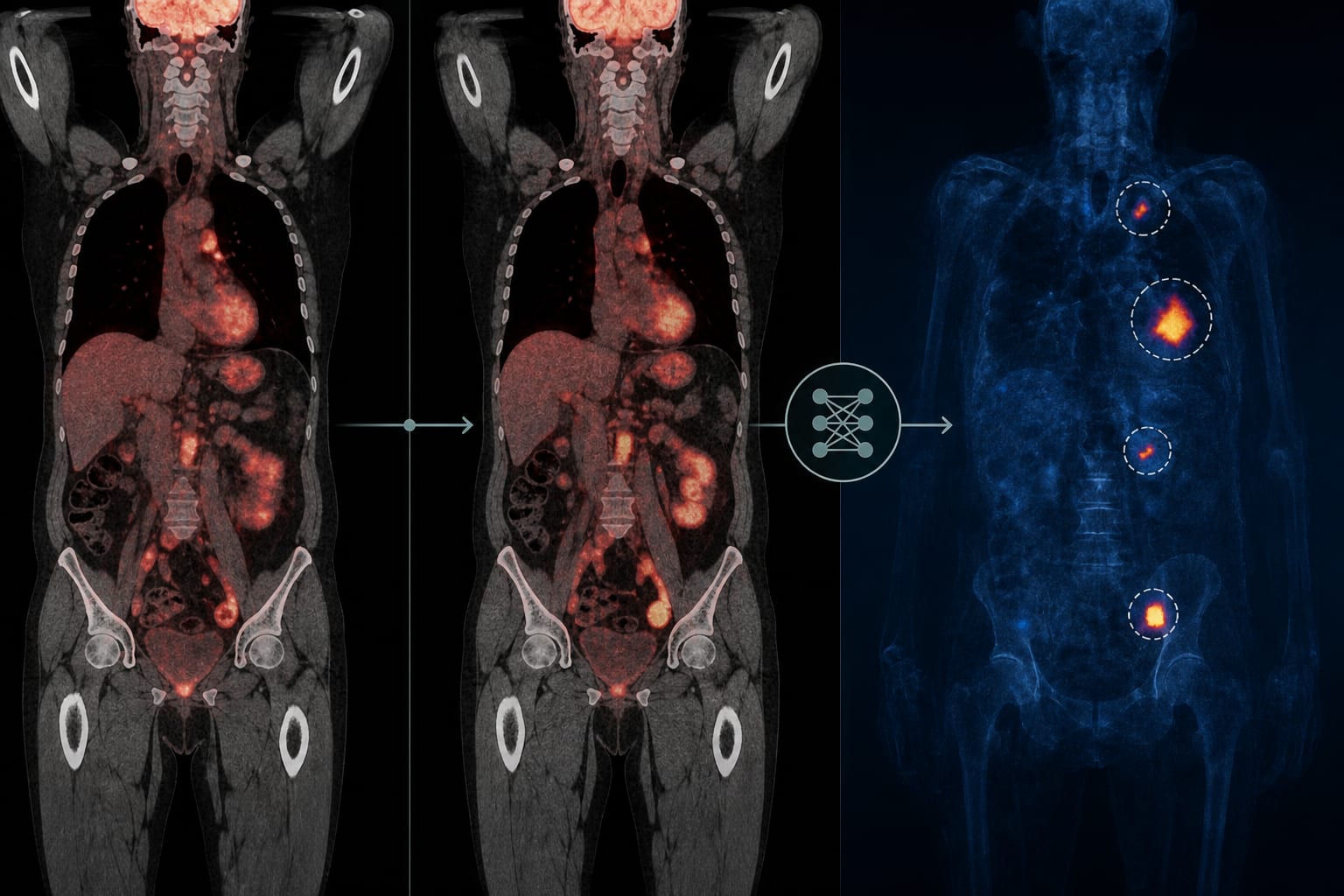
ESR Bridges: CT builds bridges in coronary artery disease
-
By
-
Marc Dewey
-
José P. S. Henriques
-
Hristo Kirov
-
Rozemarijn Vliegenthart
-
January 31, 2024
-
Clinical Scorecard: CT Imaging Advances: Non-Invasive Detection of Coronary Artery Disease Through ESR Bridges
At a Glance
| Category | Detail |
|---|
| Condition | Coronary Artery Disease (CAD) |
| Key Mechanisms | Non-invasive, quantitative detection of coronary atherosclerosis and luminal narrowing using computed tomography (CT) |
| Target Population | Patients with stable chest pain and intermediate likelihood of CAD |
| Care Setting | Multidisciplinary clinical settings involving radiology, cardiology, and cardiac surgery |
Key Highlights
- CT shows high diagnostic accuracy compared to invasive coronary angiography (ICA) for detecting CAD.
- CT use leads to improved patient outcomes including reduced death or non-fatal myocardial infarction in stable chest pain patients.
- CT enables better prevention, individualized treatment decisions, and improved procedural planning for CAD management.
Guideline-Based Recommendations
Diagnosis
- Use CT for early detection of non-obstructive and obstructive CAD in patients with stable chest pain.
- Employ CT as a first-line diagnostic tool to reduce need for invasive coronary angiography.
Management
- Increase preventive therapy (aspirin, statins) based on CT detection of coronary atherosclerosis.
- Use CT findings to guide individualized decisions on revascularisation and additional functional testing.
- Plan revascularisation strategy (percutaneous or surgical) using CT-derived quantitative coronary imaging biomarkers.
Monitoring & Follow-up
- Monitor statin adherence and cholesterol reduction in patients diagnosed by CT to improve long-term outcomes.
- Use CT to reassess coronary anatomy and guide ongoing management decisions.
Risks
- CT reduces procedure-related complications compared to invasive coronary angiography.
- Current evidence limited in acute presentations and outside stable chest pain with intermediate CAD likelihood.
Patient & Prescribing Data
Stable chest pain patients with intermediate likelihood of CAD
CT-guided management increases aspirin and statin use and adherence, resulting in significant reduction in CAD mortality and myocardial infarction.
Clinical Best Practices
- Integrate CT early in diagnostic pathways for stable chest pain to detect non-obstructive CAD and initiate preventive therapy.
- Use CT findings to tailor further functional testing and revascularisation decisions individually.
- Leverage multidisciplinary collaboration to optimize CT image acquisition, interpretation, and clinical integration.
- Consider CT for procedural planning in patients with confirmed obstructive CAD to guide revascularisation approach.
- Recognize current limitations of CT in acute CAD presentations and the need for further research on AI applications.
References