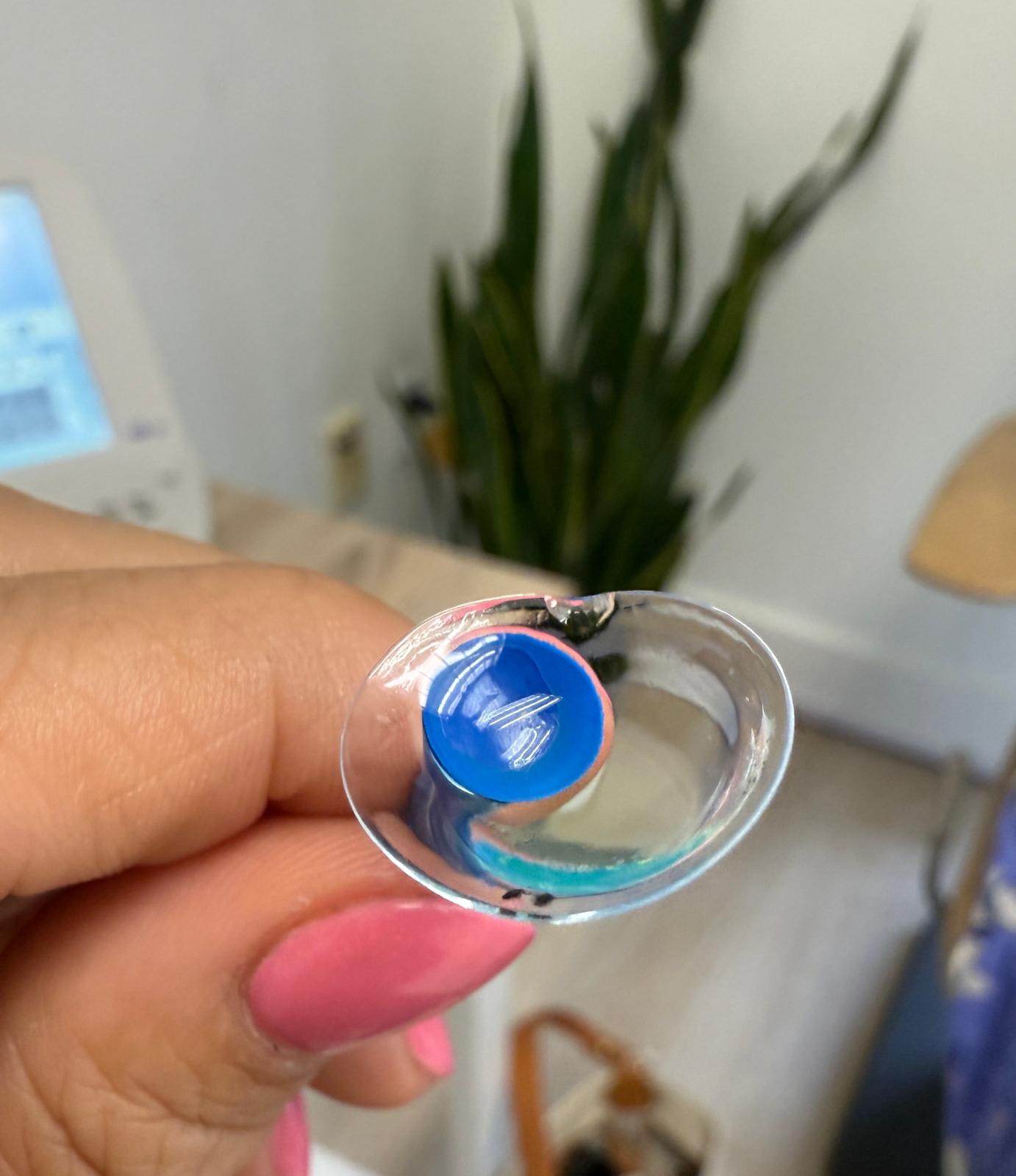
Impression-Based Scleral Lens Use
By
ARIEL CERENZIE, OD
September 17, 2026
Clinical Scorecard: Impression-Based Scleral Lens Use
At a Glance
Category Detail
Condition Ocular Surface Disease (OSD) Key Mechanisms Use of impression-based scleral lenses for complex, irregular eyes to improve stability, comfort, and visual acuity. Target Population Patients with complex ocular surface conditions, including those with Sjögren’s syndrome and advanced glaucoma. Care Setting Therapeutic scleral lens fitting and management.
Key Highlights
Impression-based scleral lenses provide enhanced ocular surface coverage for complex cases. Successful lens fitting requires consideration of patient handling needs and surgical anatomy. Patient's quality of life improved significantly after lens adaptation, reducing artificial tear use. Guideline-Based Recommendations
Diagnosis
Evaluate ocular surface conditions and patient history for appropriate lens fitting. Management
Utilize impression-based designs for patients with severe ocular surface disease. Monitoring & Follow-up
Regularly assess lens fit and ocular health post-fitting. Risks
Consider potential complications related to lens handling and ocular surface protection. Patient & Prescribing Data
Older adults with complex ocular surface diseases.
Combination of scleral lenses with autologous serum and other therapies can enhance outcomes.
Clinical Best Practices
Prioritize patient comfort and handling capabilities in lens design. Monitor ocular surface health and adjust treatment as necessary. Related Resources & Content