The effectiveness of teletherapy for developmental language disorder in India
-
By
-
Irfana Thahani
-
Juniya Joby
-
Callum Nichollos
-
Sangeetha Mahesh
-
Yasir Ahmed Syed
-
June 23, 2026
-
Clinical Scorecard: Evaluating Teletherapy's Impact on Developmental Language Disorder in Indian Children
At a Glance
| Category | Detail |
|---|
| Condition | Developmental Language Disorder (DLD) |
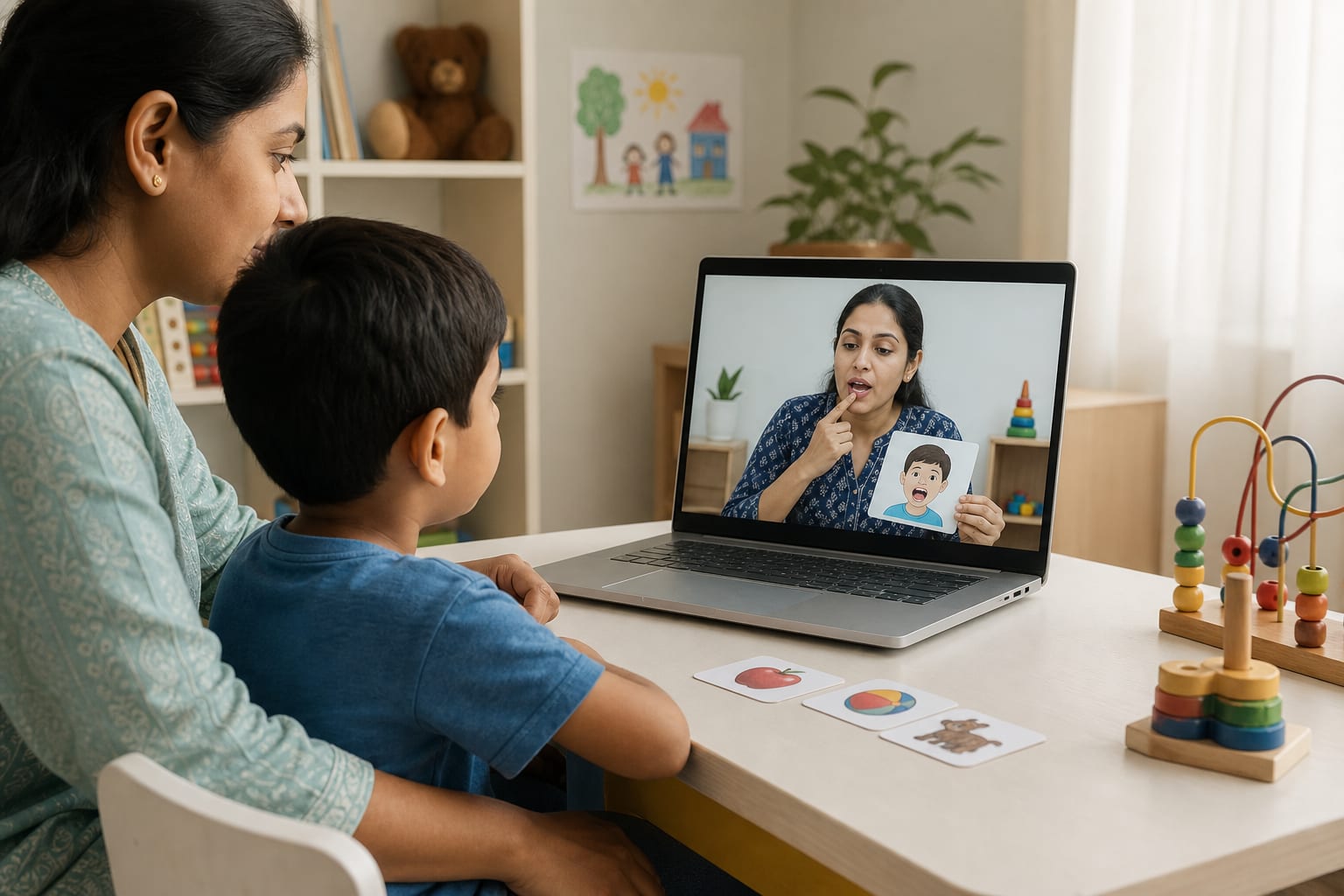
| Key Mechanisms | Teletherapy delivered via digital platforms using language stimulation strategies including imitation, modelling, and expansion. |
| Target Population | Children aged 2–5 years diagnosed with DLD in India. |
| Care Setting | Teletherapy as an alternative to in-person speech therapy. |
Key Highlights
- Participants showed improvements in expressive and receptive language skills post-teletherapy.
- High parent satisfaction reported regarding convenience and accessibility of teletherapy.
- Challenges included technological issues and increased demands on caregivers.
Guideline-Based Recommendations
Diagnosis
- Assess language acquisition capabilities in children with normal cognitive abilities.
Management
- Implement structured teletherapy sessions incorporating evidence-based language stimulation strategies.
Monitoring & Follow-up
- Conduct pre-therapy and post-therapy assessments to evaluate progress.
Risks
- Potential technological barriers and caregiver burden may affect therapy effectiveness.
Patient & Prescribing Data
Children with Developmental Language Disorder in India.
Teletherapy can improve language skills and is a feasible option in areas with limited access to traditional therapy.
Clinical Best Practices
- Involve caregivers in teletherapy sessions to enhance engagement and outcomes.
- Utilize structured evidence-based strategies during teletherapy.
Related Resources & Content