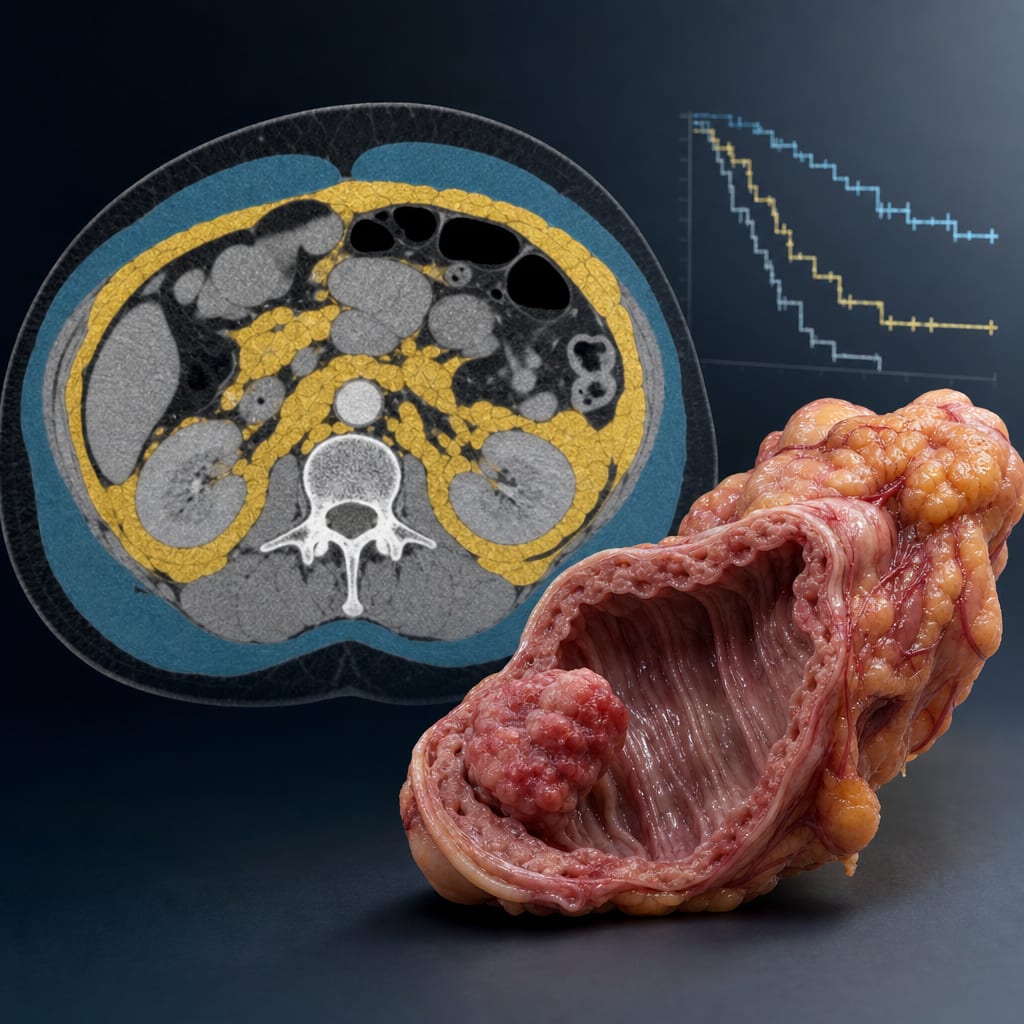
Gastro-Oesophageal Reflux Disease Outcomes Following Roux-en-Y Gastric Bypass Surgery in Patients with Obesity: A Systematic Review and Meta-analysis
By
Narek Sargsyan
Iihan Ali
Christopher Namgoong
Bibek Das
Matyas Fehervari
Michael G. Fadel
April 24, 2025
Clinical Scorecard: Outcomes of Roux-en-Y Gastric Bypass Surgery on Gastro-Oesophageal Reflux Disease in Obese Patients: A Systematic Review and Meta-Analysis
At a Glance
Category Detail
Condition Gastro-oesophageal reflux disease (GORD) in obese patients Key Mechanisms Obesity-associated increased prevalence of GORD; RYGB surgery effects on GORD symptoms and acid exposure Target Population Obese patients (BMI > 30 kg/m2) undergoing primary Roux-en-Y gastric bypass surgery Care Setting Bariatric surgery and gastroenterology clinical settings
Key Highlights
RYGB is an effective bariatric surgery providing long-term weight loss and resolution of obesity-related co-morbidities. GORD diagnosis requires objective evidence such as erosive oesophagitis on OGD or distal oesophageal acid exposure >6% on pH monitoring. The systematic review assesses RYGB impact on GORD symptoms, PPI discontinuation, and DeMeester scores to guide clinical decision-making. Guideline-Based Recommendations
Diagnosis
Use oesophagogastro-duodenoscopy (OGD) to identify advanced erosive oesophagitis, Barrett’s mucosa, or peptic strictures. Employ distal oesophageal acid exposure time >6% on pH monitoring as conclusive evidence of GORD. Consider pH-impedance monitoring as the gold standard for reflux detection, acknowledging limited availability and cost. Management
Consider bariatric surgery, specifically Roux-en-Y gastric bypass (RYGB), for obese patients with GORD when conservative measures fail. Counsel patients on potential benefits of RYGB for GORD symptom improvement and weight loss. Recognize that laparoscopic sleeve gastrectomy (LSG) may have a higher risk of exacerbating GORD symptoms. Monitoring & Follow-up
Monitor GORD symptoms pre- and post-RYGB using validated symptom questionnaires such as GORD-HRQL. Assess PPI therapy use and potential discontinuation following RYGB. Evaluate perioperative outcomes including operative time, length of stay, and BMI changes. Risks
Be aware that bariatric surgery can exacerbate or induce new GORD symptoms. Understand that surgical and anesthetic challenges exist with RYGB. Recognize the uncertainty regarding the exact prevalence of GORD post-RYGB and the risk of de novo symptoms. Patient & Prescribing Data
Obese patients undergoing primary RYGB surgery for weight loss and GORD management
RYGB may lead to improvement or resolution of GORD symptoms and allow discontinuation of proton-pump inhibitors, though individual outcomes vary.
Clinical Best Practices
Perform thorough preoperative assessment of GORD using objective diagnostic modalities to guide surgical decision-making. Use validated symptom questionnaires to monitor patient-reported outcomes before and after RYGB. Provide multidisciplinary counseling addressing potential benefits and risks of RYGB on GORD symptoms. Apply standardized quality assessment tools such as the Newcastle–Ottawa Scale to evaluate study quality when reviewing evidence. Follow PRISMA guidelines and register systematic reviews in databases like PROSPERO to ensure methodological rigor. References