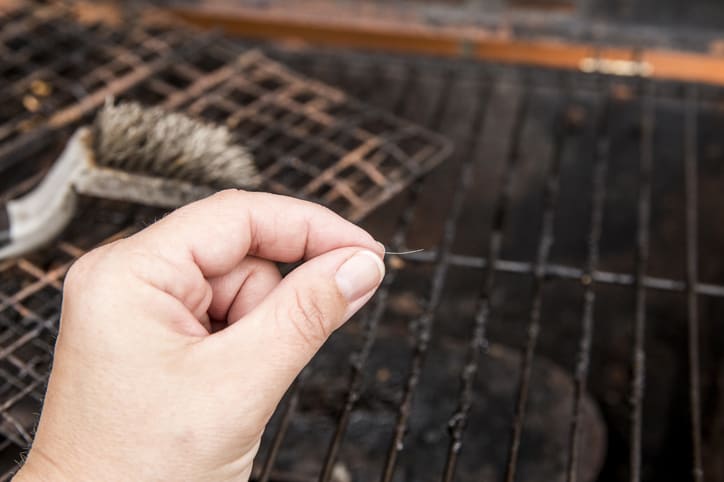
Grill Brush Bristle Injuries Continue to Rise
Most patients were treated and released, with the oropharynx the most common injury site
-
By
-
Kathryn Wighton
-
April 10, 2026
-
Clinical Scorecard: Grill Brush Bristle Injuries Continue to Rise
At a Glance
| Category | Detail |
|---|
| Condition | Injuries caused by ingestion or penetration of wire bristles from grill brushes |
| Key Mechanisms | Foreign body ingestion or penetration by wire bristles from grill brushes, primarily affecting the oropharynx |
| Target Population | All age groups, with highest incidence in adults aged 19-60 years; pediatric cases also reported |
| Care Setting | Emergency departments and hospitals across the United States |
Key Highlights
- Estimated 3,739 cases from 2015 to 2023, a 229% increase compared to 2006-2014.
- Most injuries involve the oropharynx (40%) and occur year-round with peak incidence in summer.
- 71% of patients treated and released; 24% required hospital admission; no fatalities reported.
Guideline-Based Recommendations
Diagnosis
- Consider foreign body ingestion in patients presenting with oropharyngeal symptoms and history of recent grill use.
- Use imaging modalities as needed to locate wire bristles due to difficulty in detection.
Management
- Prompt removal of wire bristles, which may require surgical intervention in some cases.
- Supportive care and monitoring for complications following removal.
Monitoring & Follow-up
- Observe patients for signs of complications post-removal, including infection or persistent symptoms.
Risks
- Potential for difficult localization and removal of wire bristles.
- Risk of injury to oropharynx and other upper aerodigestive tract structures.
Patient & Prescribing Data
Patients presenting with suspected grill brush bristle injury across all age groups.
Majority managed with outpatient treatment; a significant minority require hospital admission and possible surgical intervention.
Clinical Best Practices
- Maintain high suspicion for grill brush bristle injury in patients with compatible history and symptoms.
- Employ imaging techniques to aid in localization of foreign bodies when physical exam is inconclusive.
- Educate patients on risks associated with grill brush bristles to promote prevention.
- Consider alternative grill cleaning methods to reduce injury incidence.
Related Resources & Content