Poststroke anxiety and depression: epidemiology, mechanisms, and management strategies
-
By
-
Yulong Xie
-
Dandan Wang
-
Qing Shi
-
Liping Zhou
-
Tairong Ai
-
May 4, 2026
-
Clinical Scorecard: Anxiety and Depression Following Stroke: Prevalence, Underlying Mechanisms, and Approaches to Management
At a Glance
| Category | Detail |
|---|
| Condition | |
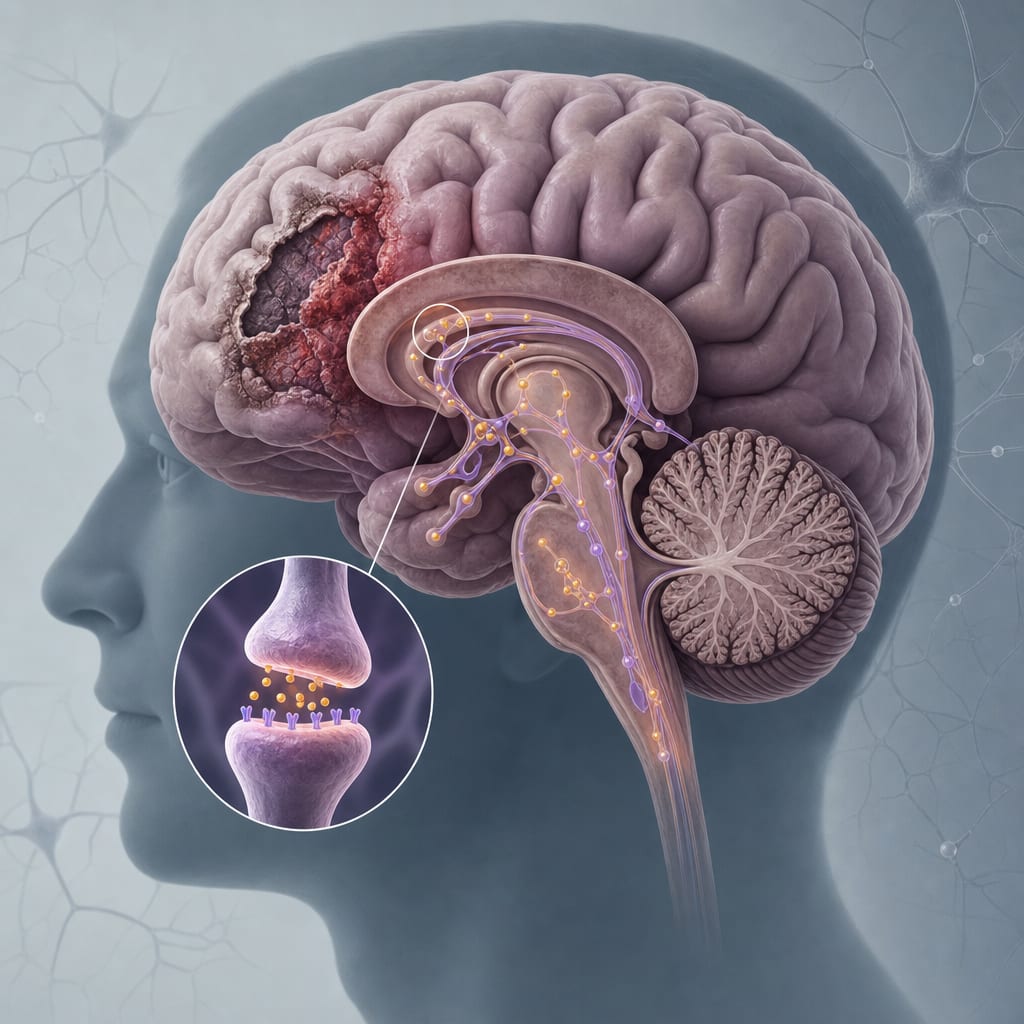
| Key Mechanisms | Neurobiological alterations (e.g., neurotransmitter imbalances, neuroinflammatory responses), cognitive dysfunction, behavioral responses, social environmental factors. |
| Target Population | |
| Care Setting | |
Key Highlights
- Approximately one third of stroke patients develop depressive symptoms.
- Anxiety prevalence ranges from 20% to 30% among stroke survivors.
- Poststroke mood disorders significantly impact functional recovery and quality of life.
- Pharmacological interventions are essential for moderate to severe cases.
- Nonpharmacological interventions can enhance emotional well-being and neuroplasticity.
- Timely recognition and systematic screening for mood disorders are crucial.
Guideline-Based Recommendations
Diagnosis
- Timely recognition of poststroke mood disorders is crucial.
- Systematic screening for mood disorders during acute and subacute phases.
Management
- Use SSRIs and SNRIs for pharmacological treatment.
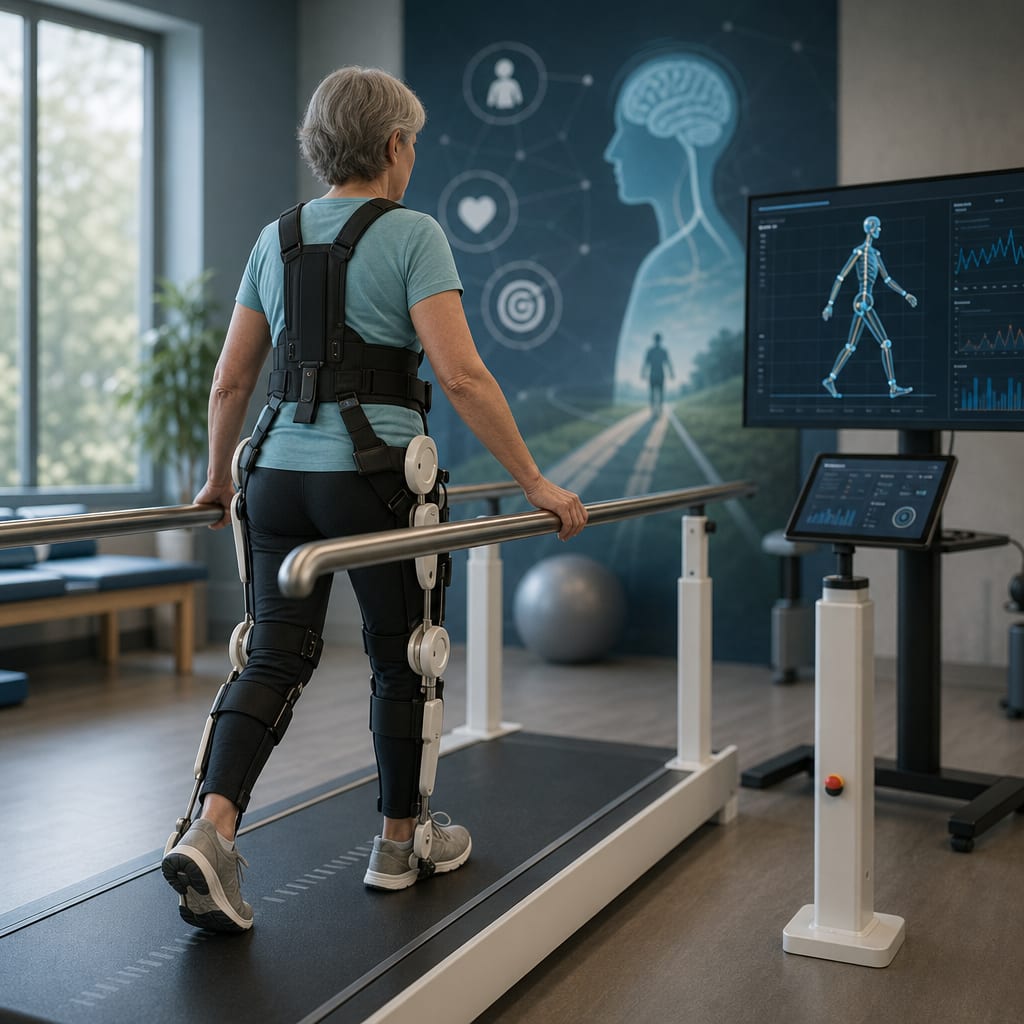
- Incorporate psychological therapies and structured rehabilitation.
Monitoring & Follow-up
- Individualized dosing and monitoring for adverse effects are essential.
- Assess suicidal ideation during mood screening.
Risks
- Increased rehospitalization and elevated mortality risk associated with untreated mood disorders.
Patient & Prescribing Data
Stroke survivors with anxiety and depression.
SSRIs and SNRIs improve mood and cognitive function; nonpharmacological approaches enhance adherence to rehabilitation.
Clinical Best Practices
- Integrate biological, psychological, and social factors in treatment plans.
- Utilize multimodal interventions for optimal recovery.
- Focus on high-quality randomized controlled trials for future research.
- Emphasize individualized interventions and monitoring for adverse effects.
References