Prevalence and risk factors of hyperuricemia and gout in patients with type 2 diabetes mellitus: a systematic review and meta-analysis - Scorecard - MDSpire
Conexiant’s news site is now MDSpire News. Learn more
Advertisement
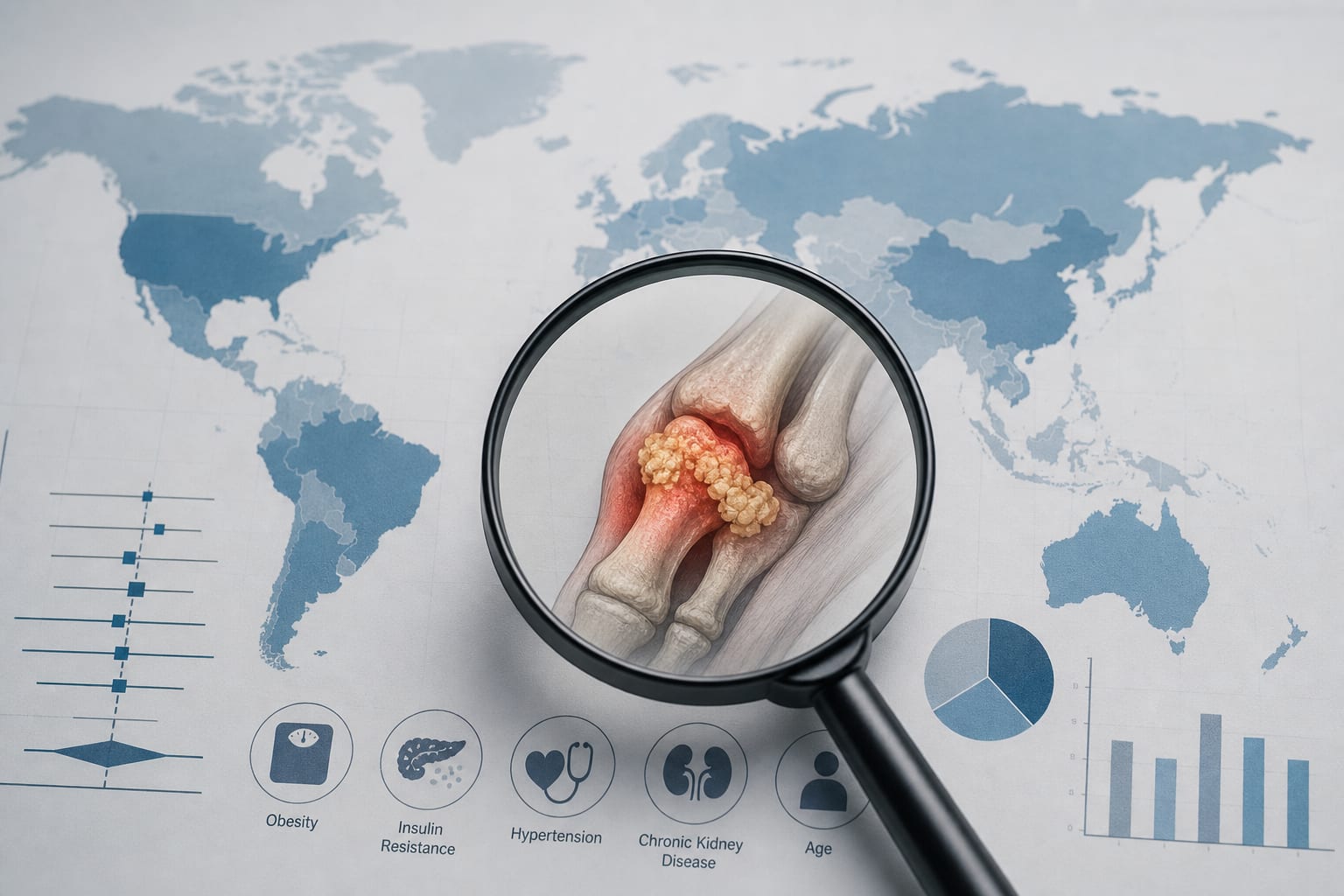
Global Prevalence and Associated Risk Factors of Hyperuricemia and Gout in Individuals with Type 2 Diabetes Mellitus: A Systematic Review and Meta-Analysis
Clinical Scorecard: Global Prevalence and Associated Risk Factors of Hyperuricemia and Gout in Individuals with Type 2 Diabetes Mellitus: A Systematic Review and Meta-Analysis
At a Glance
Category
Detail
Condition
Hyperuricemia and Gout in Type 2 Diabetes Mellitus
Key Mechanisms
Insulin resistance, oxidative stress, activation of the renin-angiotensin-aldosterone system
Target Population
Patients with Type 2 Diabetes Mellitus
Care Setting
Clinical management of Type 2 Diabetes Mellitus
Key Highlights
Pooled prevalence of hyperuricemia in T2DM is 22.0%
Pooled prevalence of gout in T2DM is 6.0%
Impaired renal function, obesity, dyslipidemia, hypertension, metabolic syndrome, and alcohol consumption are key risk factors for hyperuricemia
Male sex is a significant risk factor for gout
Routine serum uric acid monitoring is recommended for high-risk individuals
Guideline-Based Recommendations
Diagnosis
Routine screening for hyperuricemia and gout in T2DM patients
Management
Incorporate early screening for high-risk individuals into clinical management
Monitoring & Follow-up
Regular serum uric acid level monitoring
Risks
Increased risk of vascular complications and kidney damage in patients with T2DM and hyperuricemia/gout
Patient & Prescribing Data
Adults aged ≥18 years with Type 2 Diabetes Mellitus
Focus on managing risk factors such as renal function, obesity, and dyslipidemia
Clinical Best Practices
Utilize a systematic approach for screening and managing hyperuricemia and gout in T2DM patients
Assess geographic variations in prevalence for targeted interventions
Educate patients on lifestyle modifications to reduce risk factors
Manufacturers would be required to notify the FDA of GRAS determinations under a proposed rule, while HHS and USDA also submitted the first proposed federal definition of ultra-processed foods for final review.
Guideline recommends screening, diagnosis, positive airway pressure therapy, and postpartum reassessment while highlighting the very low certainty of available evidence.