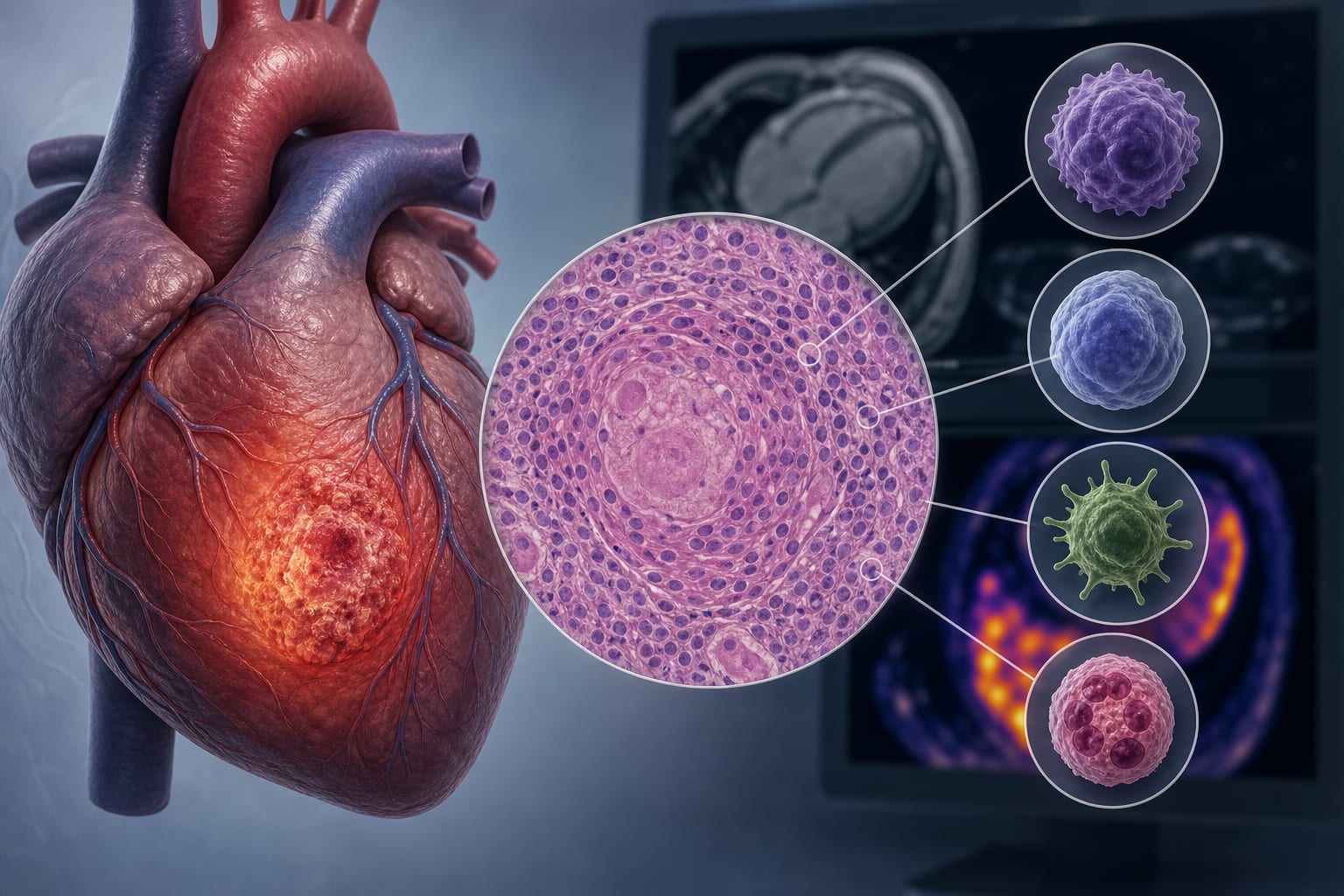
Cardiovascular disease prevention and management in COVID-19: a clinical consensus statement of the European Association of Preventive Cardiology, the European Association of Cardiovascular Imaging, the Association of Cardiovascular Nursing & Allied Professions, the European Association of Percutaneous Cardiovascular Interventions, and the Heart Failure Association of the ESC - Scorecard - MDSpire
Advertisement
Cardiovascular disease prevention and management in COVID-19: a clinical consensus statement of the European Association of Preventive Cardiology, the European Association of Cardiovascular Imaging, the Association of Cardiovascular Nursing & Allied Professions, the European Association of Percutaneous Cardiovascular Interventions, and the Heart Failure Association of the ESC
Clinical Scorecard: Guidelines for the Prevention and Management of Cardiovascular Disease in the Context of COVID-19: A Consensus from Leading European Cardiovascular Associations
At a Glance
Category
Detail
Condition
Cardiovascular disease associated with COVID-19 infection and its sequelae including Long COVID
Patients with acute or prior COVID-19 infection, including those with pre-existing cardiovascular disease and those experiencing Long COVID
Care Setting
Acute care, post-acute care, cardiovascular rehabilitation, outpatient management
Key Highlights
COVID-19 can trigger and exacerbate cardiovascular complications during acute and post-acute phases, including Long COVID.
Over 20% of Long COVID patients experience cardiac symptoms such as angina, arrhythmias, heart failure, and autonomic dysfunction.
Early and proactive cardiovascular prevention and rehabilitation are essential to mitigate risks and improve outcomes.
Guideline-Based Recommendations
Diagnosis
Recognize cardiovascular complications including myocarditis, pericarditis, thrombotic events, arrhythmias, and heart failure during and after COVID-19 infection.
Identify Cardiac Long COVID by new cardiovascular symptoms persisting beyond 2 months post-infection with no alternative explanation.
Use biomarkers such as troponin and NTProBNP to assess cardiac injury.
Management
Implement targeted cardiovascular prevention strategies early after acute COVID-19 infection.
Provide personalized therapeutic approaches including lifestyle modifications and cardiovascular rehabilitation.
Avoid unproven treatments to prevent harm from invasive interventions or adverse effects.
Monitoring & Follow-up
Monitor patients with elevated cardiac injury markers and those with pre-existing cardiovascular disease closely.
Assess for persistent or new cardiovascular symptoms in Long COVID patients.
Adjust management plans based on evolving clinical status and emerging evidence.
Risks
Increased risk of myocarditis, myocardial infarction, thromboembolism, arrhythmias, and heart failure post-COVID-19.
Potential adverse cardiac effects from corticosteroid treatment during acute infection.
Exacerbation of cardiovascular risk factors and comorbidities by COVID-19 infection.
Patient & Prescribing Data
Patients with acute or prior COVID-19 infection, including those with Long COVID and pre-existing cardiovascular disease
Corticosteroids benefit acute infection but may adversely affect cardiac physiology; vaccines reduce morbidity and mortality but cardiovascular risk persists; personalized treatment and rehabilitation improve outcomes.
Clinical Best Practices
Early identification and management of cardiovascular complications in COVID-19 patients.
Use of biomarkers to stratify cardiovascular risk post-infection.
Implementation of lifestyle modifications and tailored cardiovascular rehabilitation programs.
Avoidance of unproven and potentially harmful treatments.
Ongoing research and individualized preventive strategies to address evolving evidence.
by Vassilios S Vassiliou, Vasiliki Tsampasian, Maria Luiza Luchian, Flavio D’Ascenzi, Fabrizio D’Ascenzo, Marc R Dweck, Javier Escaned, Sabiha Gati, Martin Halle, Konstantinos C Koskinas, Lis Neubeck, Michael Papadakis, Steffen E Petersen, Arsen Ristic, Marco Metra, Giuseppe Biondi-Zoccai