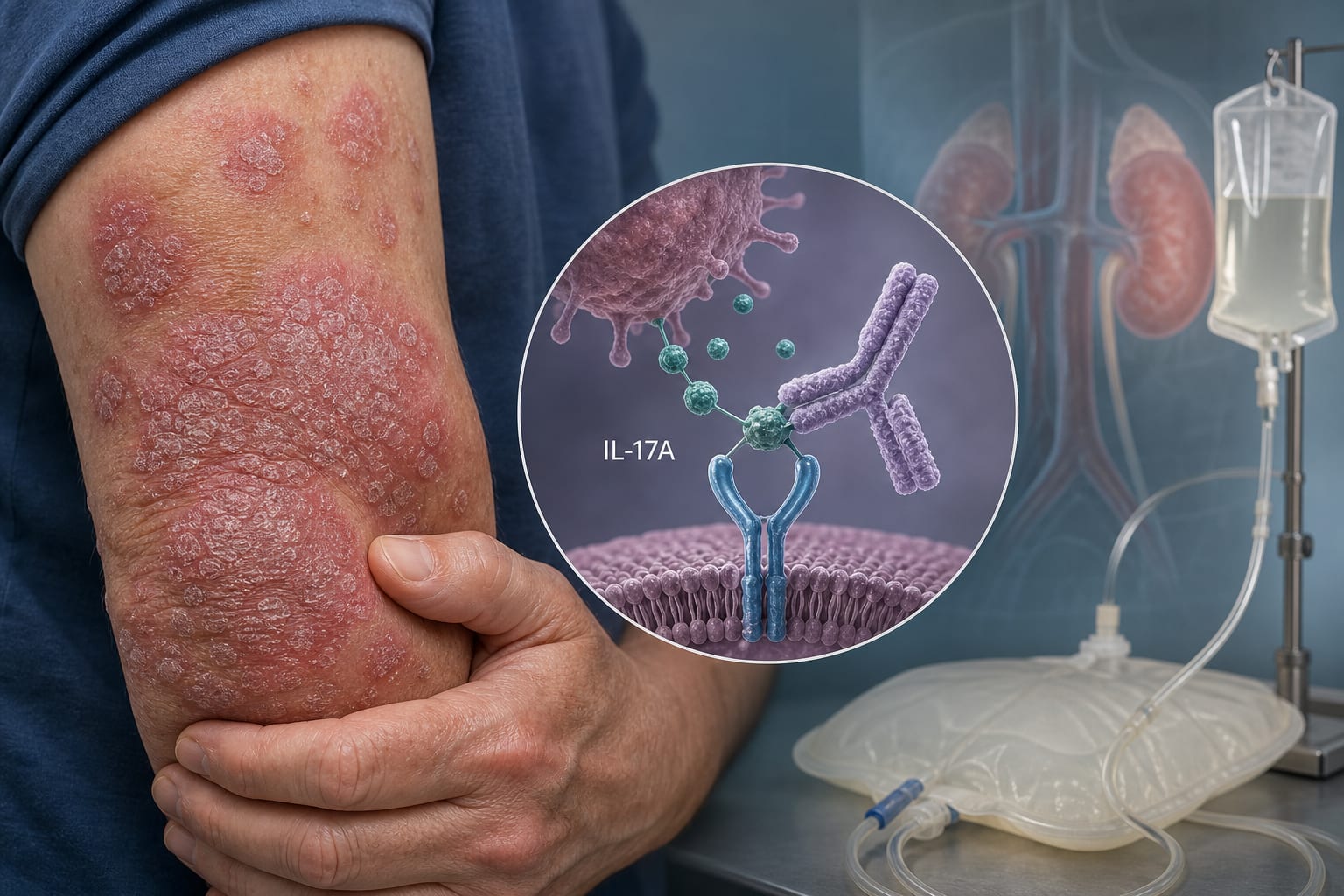
Inflammatory Reactions in Biologic Therapy: A Mechanistic Overview, Clinical Guidelines, and Pediatric Case Examples
-
By
-
Małgorzata Kowacka
-
Michał Dec
-
Hubert Arasiewicz
-
May 20, 2026
Clinical Scorecard: Inflammatory Reactions in Biologic Therapy: A Mechanistic Overview, Clinical Guidelines, and Pediatric Case Examples
At a Glance
| Category | Detail |
|---|
| Condition | |
| Key Mechanisms | |
| Target Population | Pediatric and adult patients, with a focus on pediatric populations receiving biologic agents. |
| Care Setting | |
Key Highlights
- Clarify 'flip–flop reactions' as paradoxical inflammatory responses.
Guideline-Based Recommendations
Diagnosis
Management
- Implement severity-adapted management strategies based on mechanistic insights, such as corticosteroid use or biologic therapy adjustments.
Monitoring & Follow-up
Risks
Patient & Prescribing Data
Targeted biologic therapies, such as anti-TNF and IL-17 inhibitors, can lead to unexpected inflammatory reactions due to immune pathway modulation.
Clinical Best Practices
- Integrate mechanistic understanding of immune pathways into clinical decision-making.
- Educate patients about the potential for paradoxical reactions during treatment.
- Establish a follow-up care plan to monitor for recurrence of paradoxical reactions.
Related Resources & Content