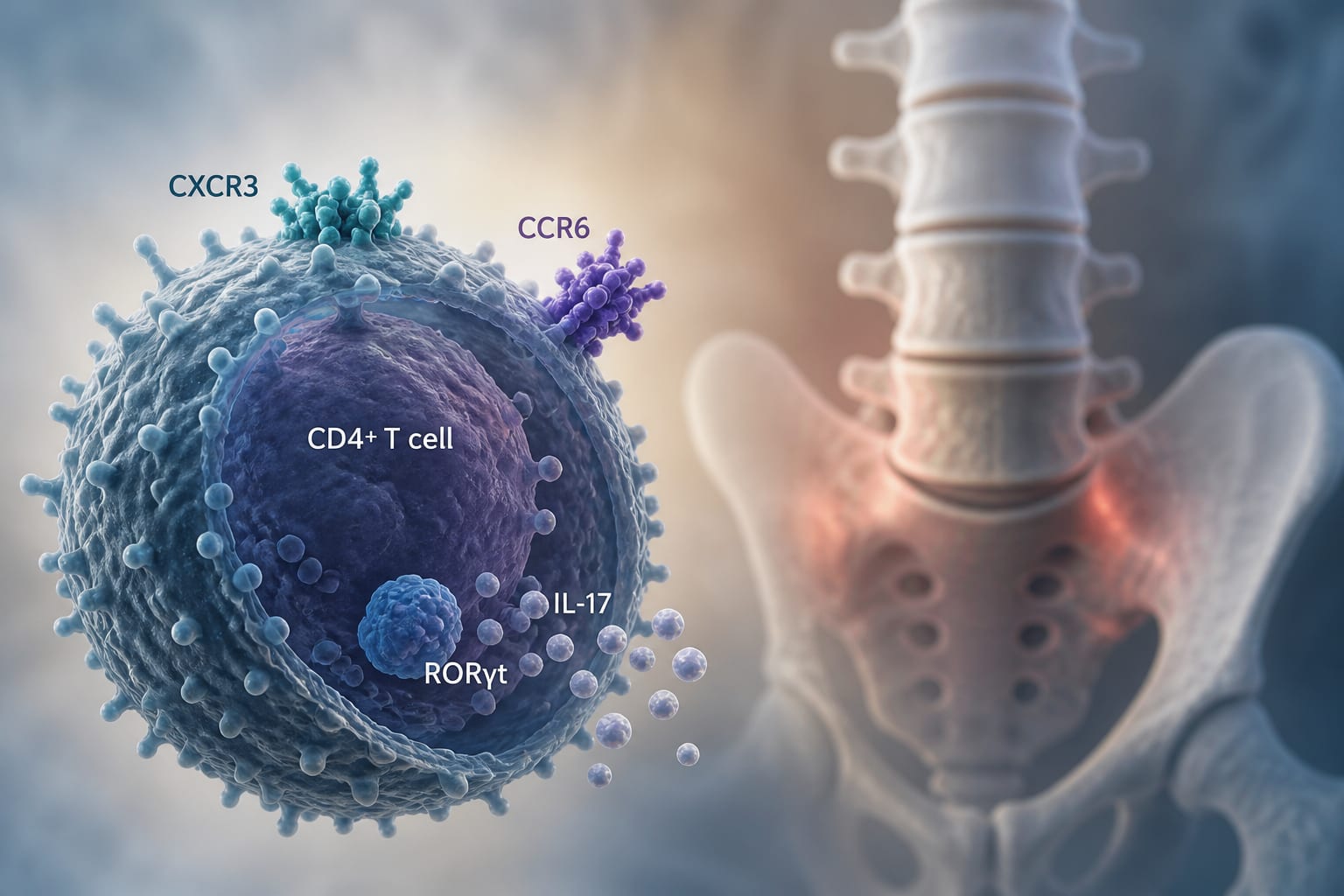
Reduction of CXCR3+CCR6+ CD4+ T Cells and IL-17+ RORγt+ CD4+ T Cells During Secukinumab Treatment Identifies Patients With Axial Spondyloarthritis Responsive to Subsequent Biologic Therapy - Scorecard - MDSpire
Conexiant’s news site is now MDSpire News. Learn more
Advertisement
Decreased Levels of CXCR3+CCR6+ CD4+ T Cells and IL-17+ RORγt+ CD4+ T Cells During Secukinumab Therapy Correlate with Responsiveness to Subsequent Biologic Treatments in Axial Spondyloarthritis Patients
Clinical Scorecard: Decreased Levels of CXCR3+CCR6+ CD4+ T Cells and IL-17+ RORγt+ CD4+ T Cells During Secukinumab Therapy Correlate with Responsiveness to Subsequent Biologic Treatments in Axial Spondyloarthritis Patients
At a Glance
Category
Detail
Condition
Axial Spondyloarthritis
Key Mechanisms
Type 1 interferon pathway and immune alterations during biologic treatment
Target Population
Patients with axial spondyloarthritis unresponsive to initial biologic therapy
Care Setting
Clinical evaluation of biologic treatment response
Key Highlights
Approximately 40% of patients fail to respond to biologic treatments for axSpA.
Type 1 interferon-regulated genes are more expressed in secukinumab nonresponders.
Immunologic alterations during treatment may indicate response to subsequent biologics.
Patients may require a novel biologic target rather than a change in therapeutic target.
Guideline-Based Recommendations
Diagnosis
Classify AS according to modified New York AS criteria.
Classify nr-axSpA using ASAS criteria.
Management
Assess response to secukinumab by BASDAI reduction or BASDAS score improvement.
Consider switching to TNFi or modifying secukinumab dosing for nonresponders.
Monitoring & Follow-up
Evaluate treatment response through shared physician-patient decision-making.
Monitor BASDAI scores after 24 weeks of treatment.
Risks
Inadequate response to subsequent biologics may occur despite initial treatment.
Patient & Prescribing Data
Patients with axial spondyloarthritis who are treatment-refractory.
Modification of secukinumab dosing may lead to sustained improvements in disease activity.
Clinical Best Practices
Utilize flow cytometry to analyze PBMCs for immunologic alterations.
Implement a patient-centered approach in treatment decision-making.
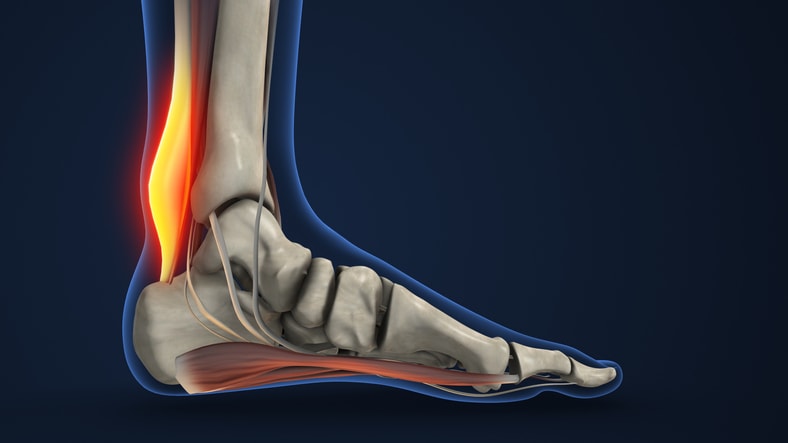
A case report highlighted extensive intratendinous urate deposition and bilateral Achilles tendon rupture, raising awareness of tendon complications in advanced gout.
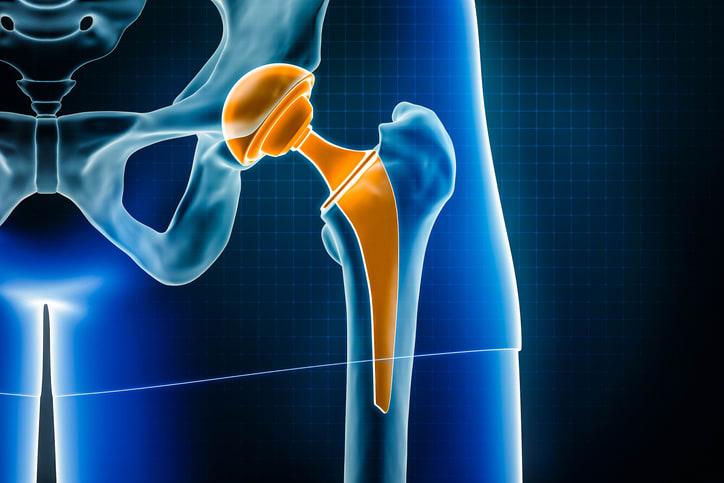
A systematic review of more than 2.3 million patients found that women and men had different patterns of postoperative complications and recovery, with age and implant strategy modifying observed differences.