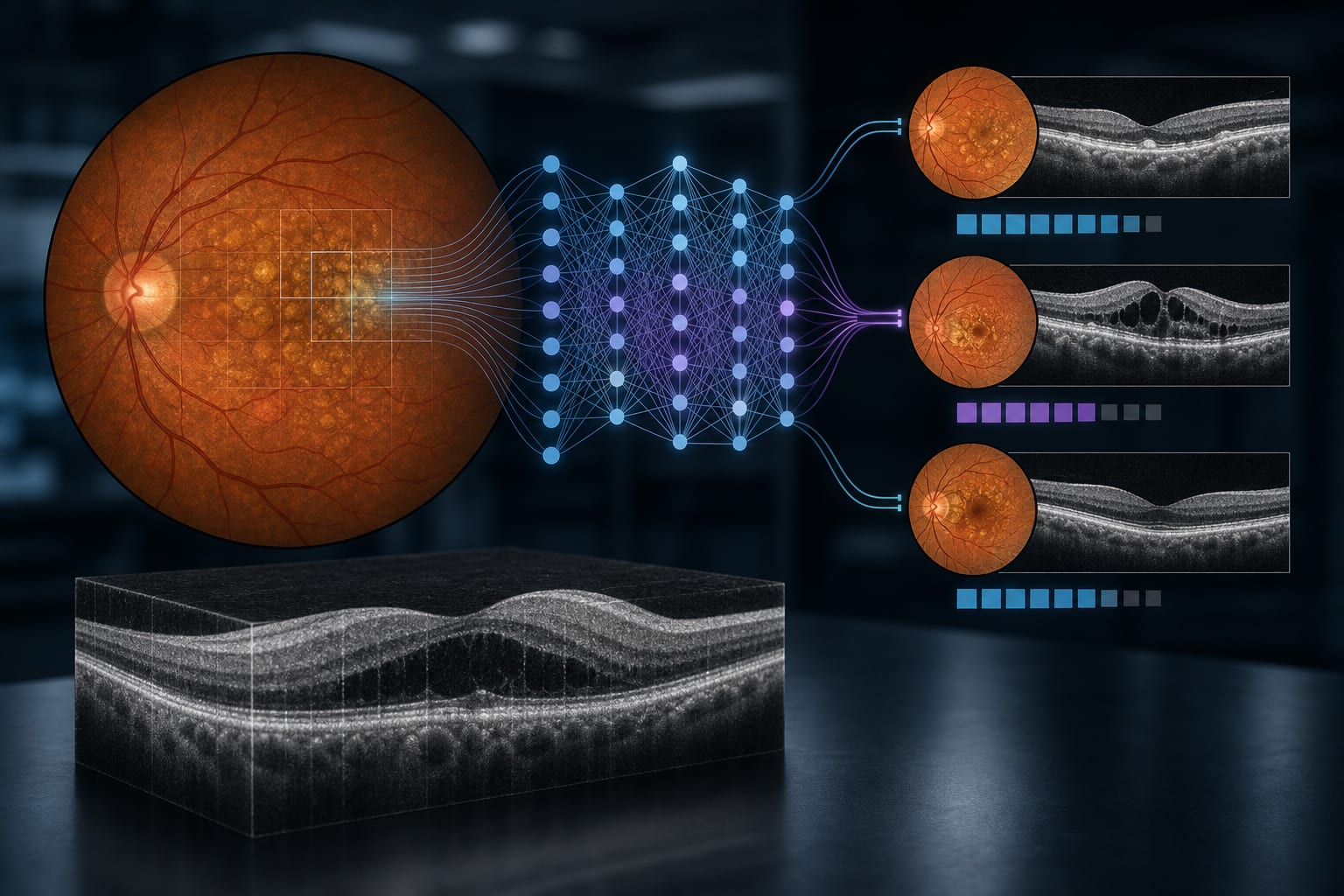
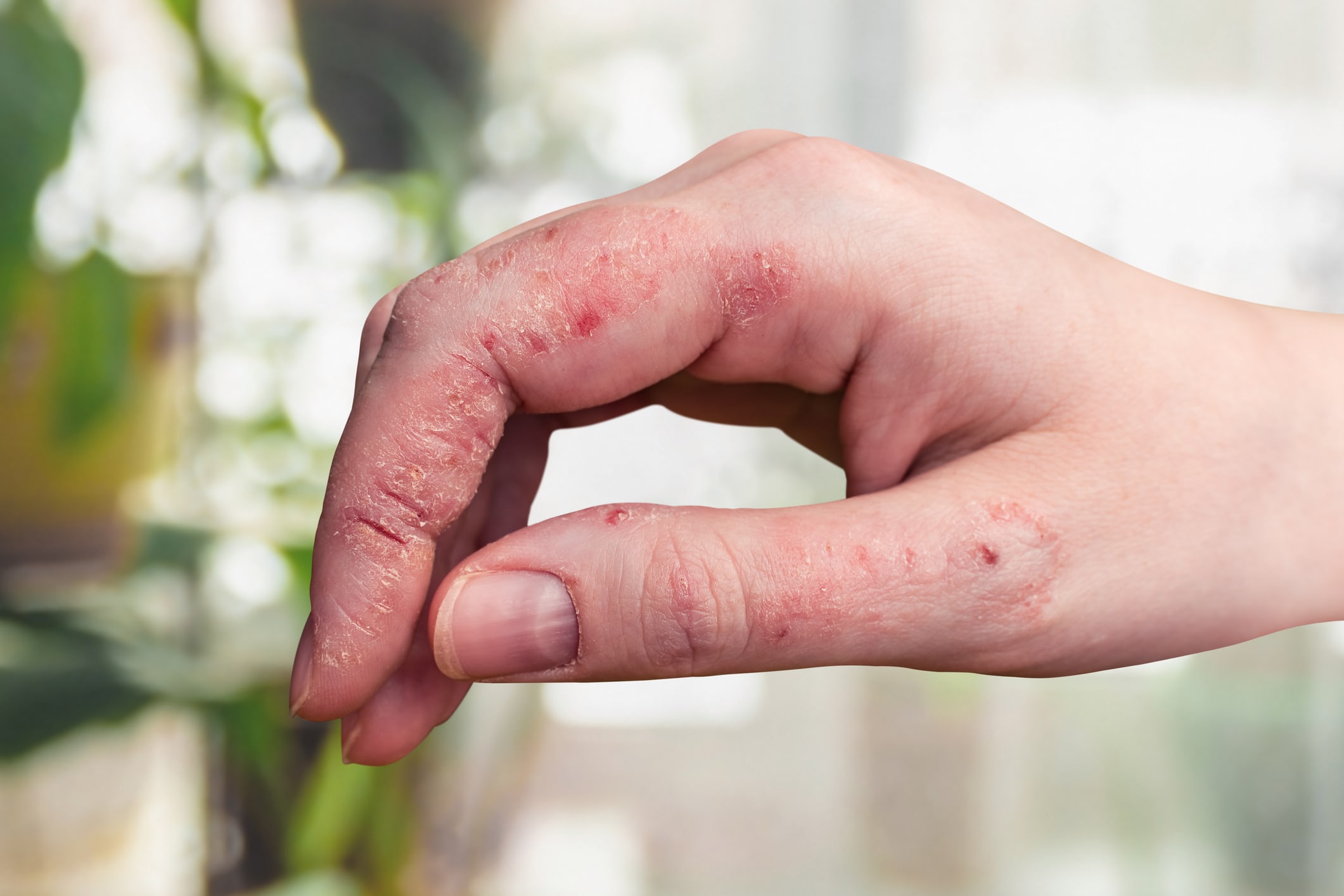
Clinical Scorecard: Evaluating Deep Learning Techniques for the Classification of Age-Related Macular Degeneration Using Imaging: A Systematic Review and Meta-Analysis
At a Glance
Category
Detail
Condition
Age-related macular degeneration (AMD)
Key Mechanisms
Classification into dry AMD (dAMD) and wet AMD (wAMD); reliance on imaging modalities like color fundus photography (CFP) and optical coherence tomography (OCT).
Target Population
Older individuals at risk of irreversible blindness due to AMD.
Care Setting
Clinical settings utilizing imaging for AMD diagnosis.
Key Highlights
AMD is a leading cause of irreversible blindness in older adults.
Deep learning algorithms show potential for automated classification of AMD.
Current literature reveals heterogeneity in DL performance outcomes.
Comparison of DL models against ophthalmologists of varying expertise is crucial.
The review addresses evidence gaps in previous meta-analyses.
Guideline-Based Recommendations
Diagnosis
Utilize CFP and OCT for AMD screening and diagnosis.
Management
Timely detection is critical for intervention to slow disease progression.
Monitoring & Follow-up
Assess DL performance through subgroup analyses and meta-regressions.
Risks
Challenges include image quality limitations and interobserver variability.
Patient & Prescribing Data
Individuals with age-related macular degeneration.
Early and accurate diagnosis is essential for preserving visual function.
Clinical Best Practices
Incorporate PROBAST+AI for bias assessment in AI models.
Stratify comparisons of DL performance by clinician experience level.
Differentiate between wAMD and dAMD for appropriate treatment decisions.
Authors describe both potential retinal benefits and possible rare optic nerve risks, while emphasizing that long-term ocular safety data remain limited as use expands.
Supplying ocular nutritional supplements (ONS) is a way to deepen patient trust and improve their visual outcomes, with the byproduct a new revenue stream. This is the theme of this issue of Optometric Management.