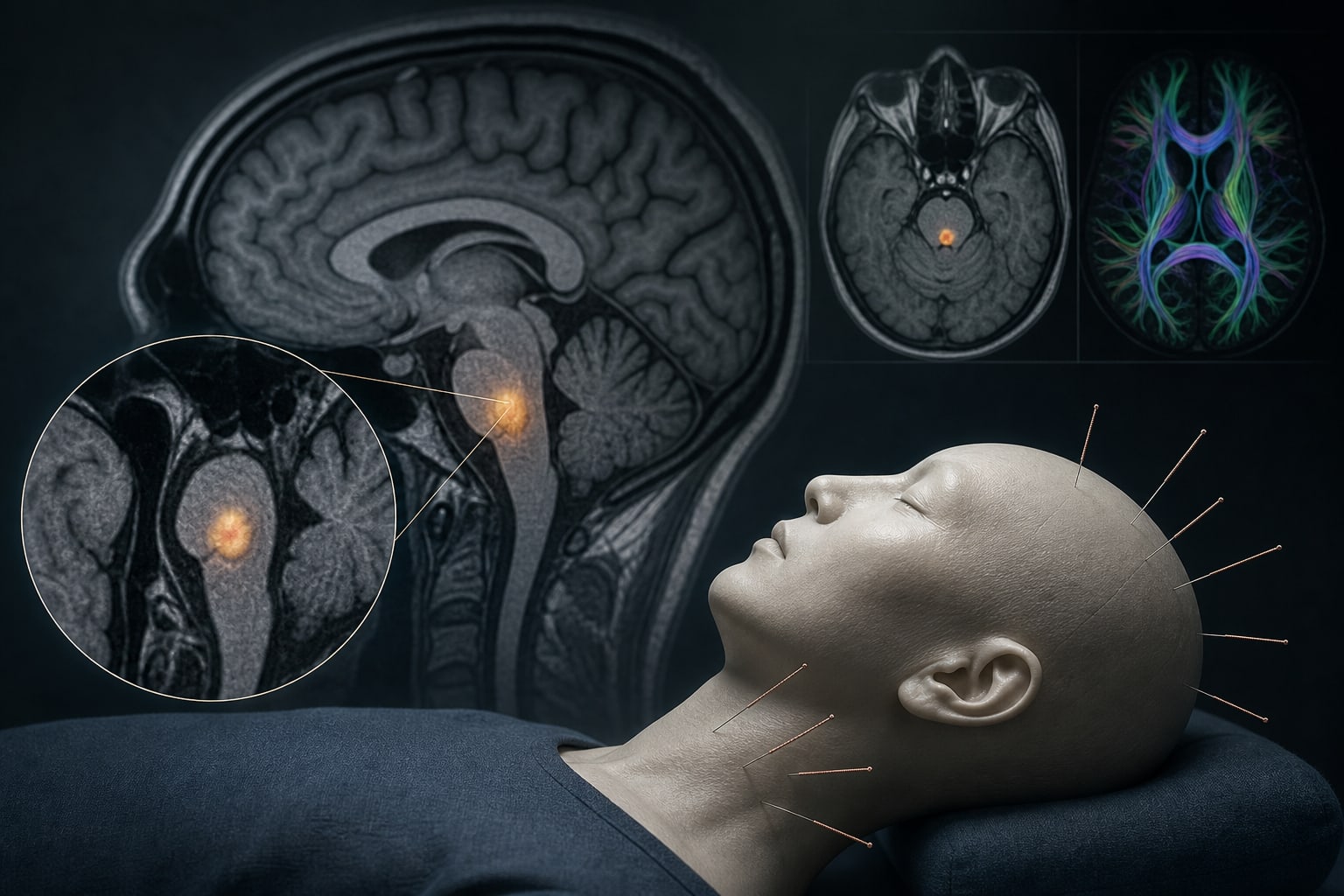
Editorial: Diffusion-weighted imaging: advances and implementations in neurology
-
By
-
Daniele Corbo
-
Kevin M. Koch
-
Kyle C. Kern
-
May 28, 2026
Clinical Scorecard: Progress and Applications of Diffusion-Weighted Imaging in Neurological Practice
At a Glance
| Category | Detail |
|---|
| Condition | Neurological diseases |
| Key Mechanisms | Diffusion-Weighted Imaging (DWI) for assessing microstructural tissue properties |
| Target Population | Patients with neurological conditions, including multiple sclerosis and CNS tumors |
| Care Setting | Clinical and research settings |
Key Highlights
- DWI has evolved to probe microstructural properties beyond acute ischemic stroke.
- Methodological advances in DWI improve diagnostic accuracy and disease monitoring.
- Harmonization methods reduce variability in multi-site DWI studies.
- DWI can detect subtle changes in multiple sclerosis and aid in early diagnosis.
- Advanced diffusion models enhance the understanding of CNS tumors.
Guideline-Based Recommendations
Diagnosis
- Use DWI metrics to distinguish between CNS tumor types and grades.
- Implement advanced diffusion models for improved diagnostic classification in multiple sclerosis.
Management
- Consider DWI in treatment planning for patients with glioblastoma to avoid injury to white matter pathways.
Monitoring & Follow-up
- Utilize DWI for monitoring disease progression in conditions like cervical spondylotic myelopathy.
Risks
- Be aware of magnetic gradient field inhomogeneity affecting DWI accuracy.
Patient & Prescribing Data
Individuals with neurological disorders, including those undergoing treatment for CNS tumors.
DWI can non-invasively assess tumor characteristics and monitor treatment effects.
Clinical Best Practices
- Incorporate harmonization algorithms in multi-site DWI studies.
- Utilize DTI tractography for neurosurgical planning to preserve motor function.
Related Resources & Content