From Patient to Problem Solver
How living as both a patient and physician shaped a pathologist’s determination to ask better questions and use AI to solve problems that matter to patients
By
Helen Bristow
September 23, 2026
Clinical Scorecard: From Patient to Problem Solver
At a Glance
Category Detail
Condition Pathology and AI in Medicine Key Mechanisms Integration of traditional pathology with programming and AI for enhanced diagnostic capabilities. Target Population Patients requiring diagnostic pathology services. Care Setting Clinical pathology laboratories and translational science environments.
Key Highlights
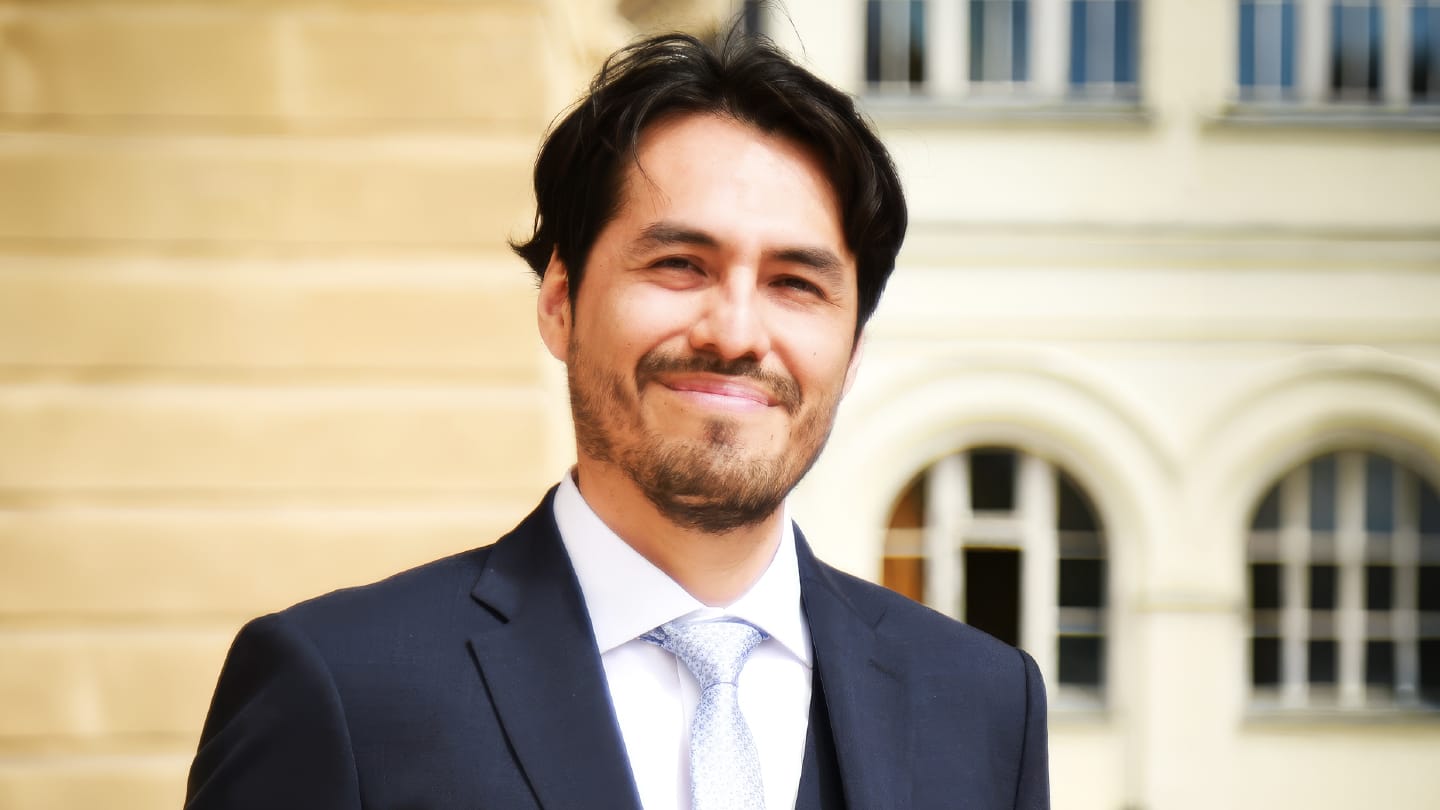
Luis Cano's journey from patient to physician highlights the importance of empathy in healthcare. His experience as a child oncology patient shaped his approach to patient care. Cano emphasizes the significance of asking the right questions in problem-solving. He advocates for combining traditional pathology with computational tools to enhance understanding. Cano's curiosity drives his exploration of AI's potential in pathology. Guideline-Based Recommendations
Diagnosis
Utilize a combination of traditional pathology methods and AI tools for accurate diagnosis. Management
Incorporate patient experiences and perspectives into clinical decision-making. Monitoring & Follow-up
Regularly assess the effectiveness of AI tools in diagnostic processes. Risks
Be aware of biases in interpretation and ensure questions guiding AI applications are well-defined. Patient & Prescribing Data
Patients with various pathologies requiring diagnostic evaluation.
Understanding the underlying mechanisms of diseases through pathology can guide treatment decisions.
Clinical Best Practices
Engage in continuous learning and adaptation of new technologies in pathology. Foster a collaborative environment that values diverse perspectives in problem-solving. Related Resources & Content