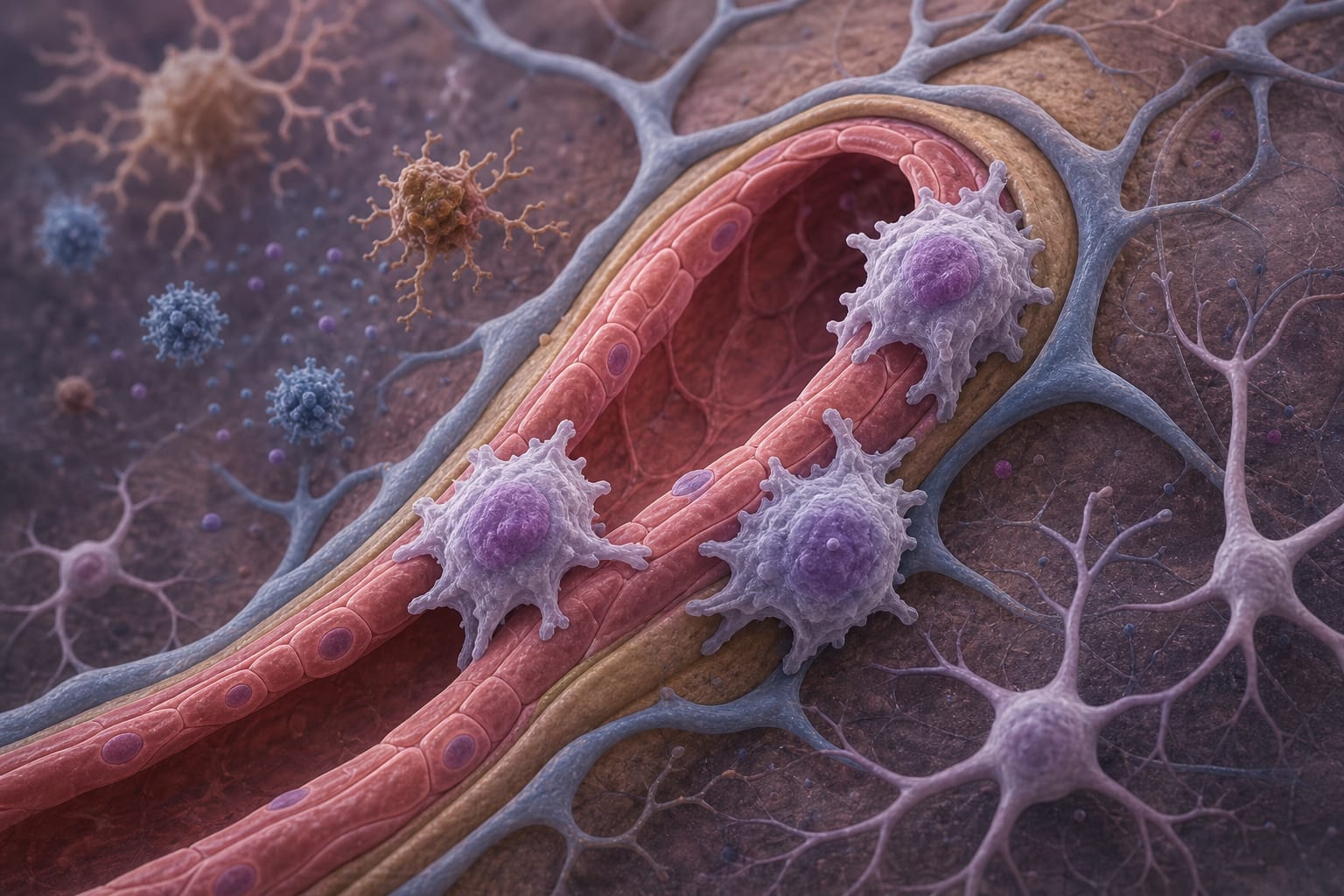
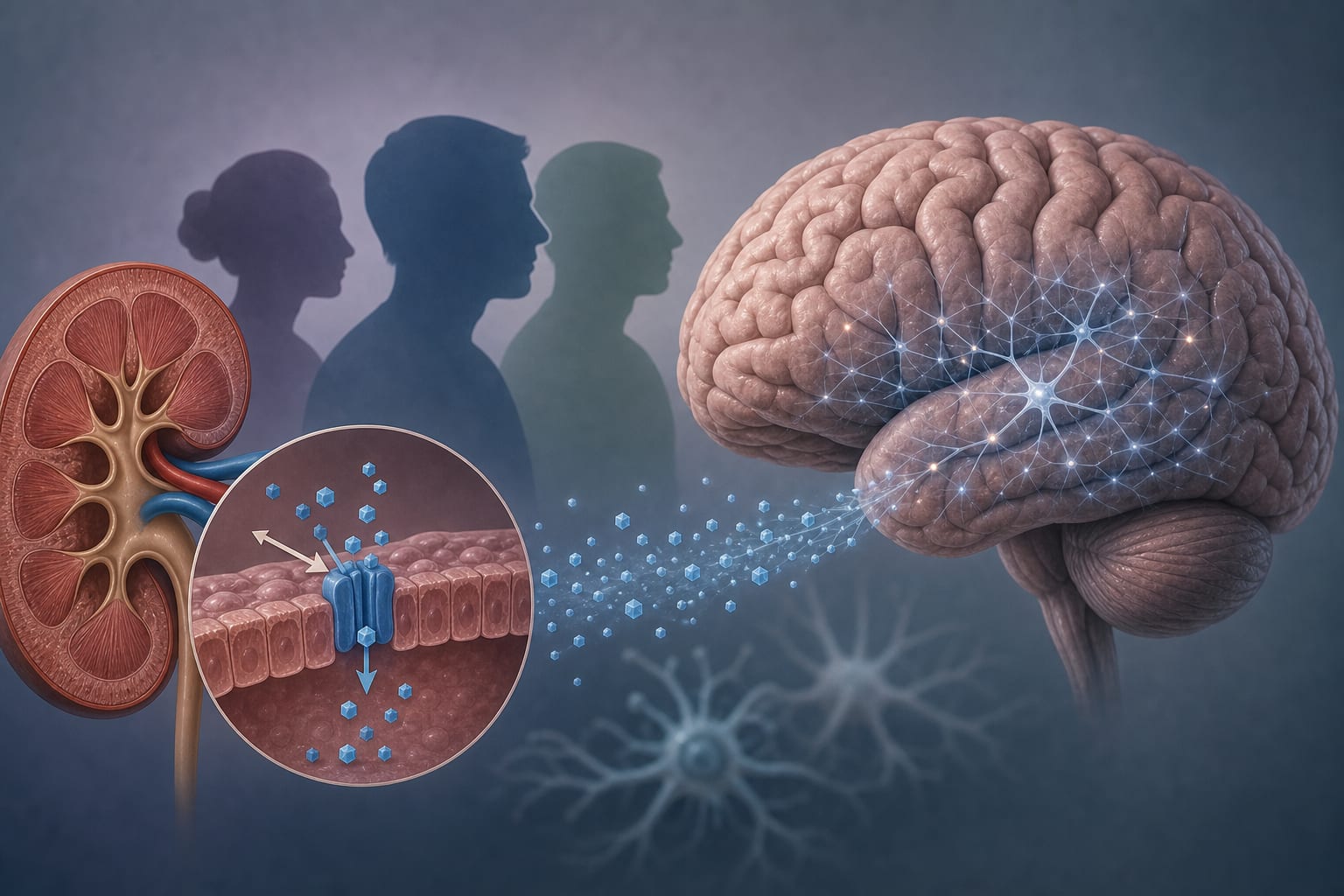
Investigating CD163+ Perivascular Macrophages in Schizophrenia: A Framework for Exploring Macrophage-Related Mechanisms
By
Hans C. Klein
Paul C. Guest
Michael E. Benros
Chavit Tunvirachaisakul
Christian Scheiber
Michael Maes
Robert Yolken
Karl Bechter
Johann Steiner
July 17, 2026
Clinical Scorecard: Investigating CD163+ Perivascular Macrophages in Schizophrenia: A Framework for Exploring Macrophage-Related Mechanisms
At a Glance
Category Detail
Condition Schizophrenia Key Mechanisms Elevated densities of CD163+ perivascular macrophages linked to neurodevelopment, dopaminergic signaling, and blood-brain barrier regulation. Target Population Individuals with schizophrenia Care Setting Research framework for investigating macrophage-related mechanisms
Key Highlights
Increased CD163+ perivascular macrophages found in post-mortem brain tissue of schizophrenia patients. Potential mechanisms include BBB disruption, immune cell recruitment, and treatment-related effects. Framework proposed for evaluating macrophage activation states across schizophrenia and control groups. HSV-1 and BCG discussed as illustrative models for exploring macrophage responses. Research aims to clarify the role of persistent intracellular stimuli in macrophage behavior. Guideline-Based Recommendations
Diagnosis
Investigate the role of CD163+ macrophages in schizophrenia through post-mortem studies. Management
Explore macrophage-related mechanisms without presuming a specific infectious aetiology. Monitoring & Follow-up
Assess changes in CD163+ macrophage densities in relation to schizophrenia symptoms. Risks
Consider potential confounding factors such as other psychiatric conditions and infections. Patient & Prescribing Data
Patients diagnosed with schizophrenia
Understanding macrophage behavior may inform future therapeutic strategies.
Clinical Best Practices
Utilize spatial transcriptomic and cell-specific methods to assess macrophage localization. Compare macrophage activation states across diverse control groups. Avoid presuming specific causal agents when investigating macrophage-related mechanisms. Related Resources & Content