Editorial: Transforming dementia caregiving through assistive technologies
-
By
-
Quan Zhang
-
Yijin Wu
-
May 14, 2026
-
Clinical Scorecard: Enhancing Dementia Caregiving with the Use of Assistive Technologies
At a Glance
| Category | Detail |
|---|
| Condition | Dementia |
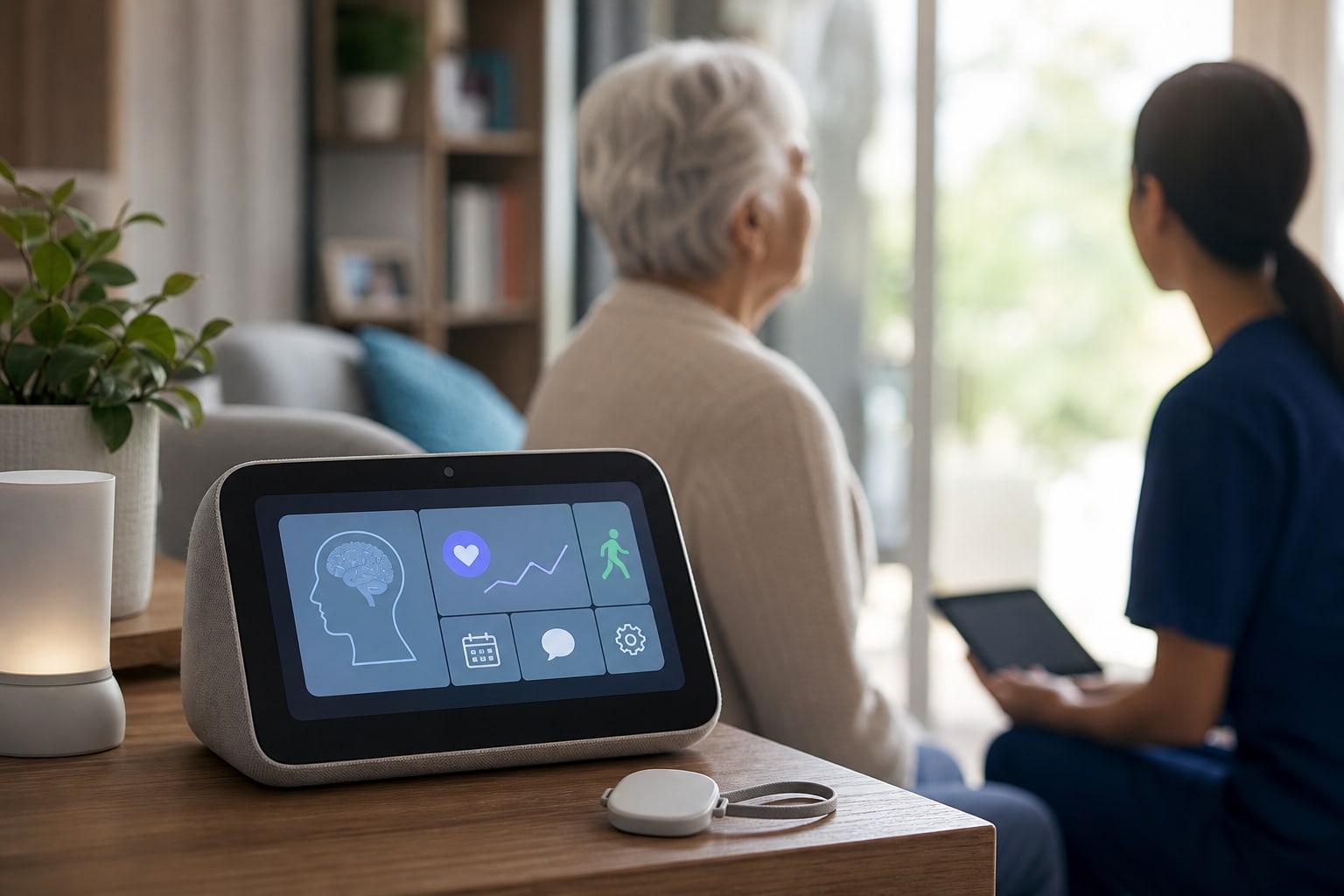
| Key Mechanisms | Assistive technologies for monitoring, engagement, and assistance. |
| Target Population | Individuals diagnosed with dementia and their caregivers. |
| Care Setting | Community centers and home care environments. |
Key Highlights
- Advancements in sensing technologies enable earlier detection of dementia symptoms.
- Integrated care frameworks enhance patient outcomes and reduce caregiver stress.
- Technology-enabled interventions improve daily experiences for individuals with dementia.
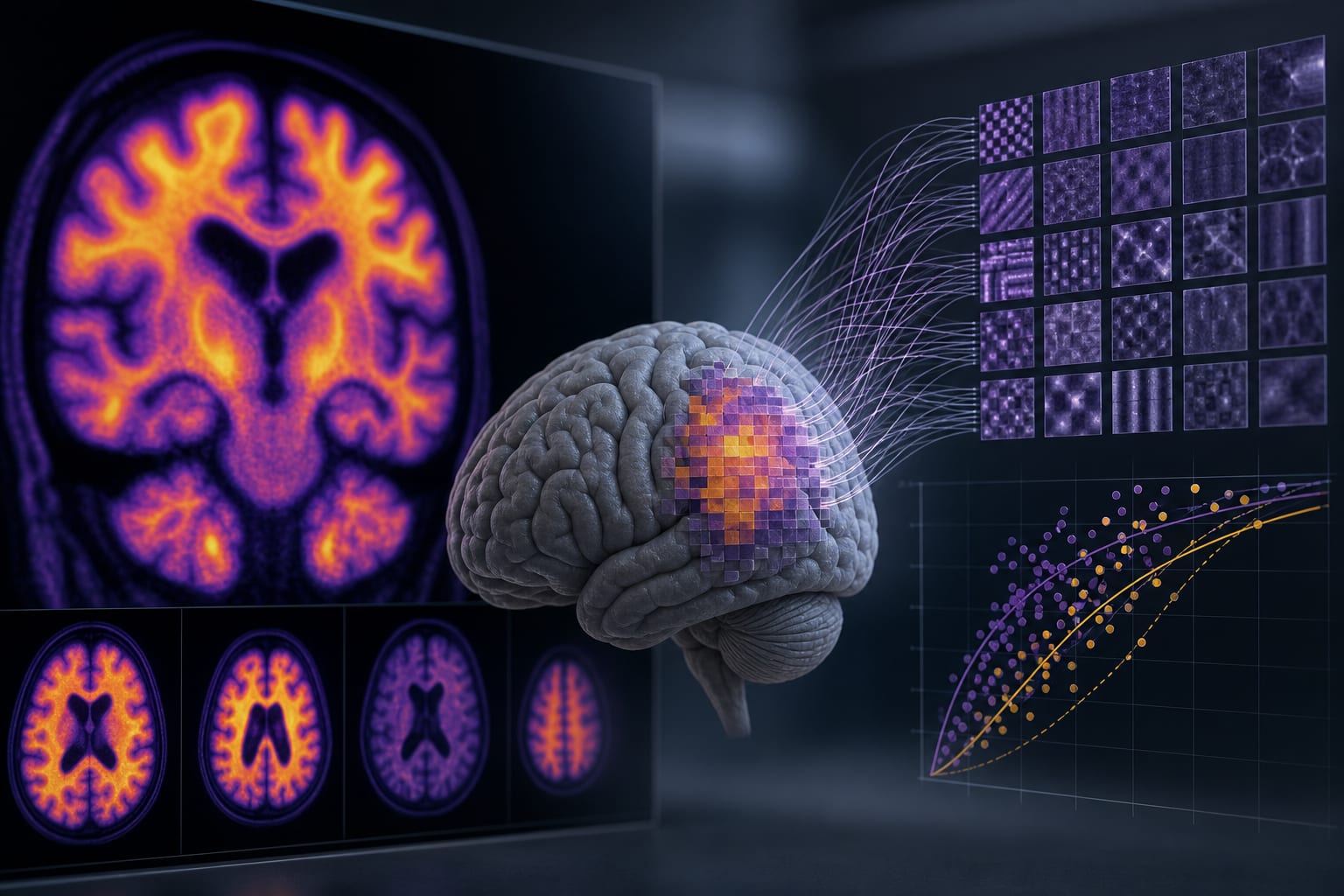
- AI is increasingly influential in Alzheimer's disease research and management.
- Digital tools provide essential support and education for caregivers.
Guideline-Based Recommendations
Diagnosis
- Utilize wearable sensors and AI-enhanced imaging for early detection.
Management
- Incorporate assistive technologies into traditional care frameworks.
Monitoring & Follow-up
- Employ digital biomarkers and continuous monitoring systems.
Risks
- Address caregiver emotional difficulties through technology-facilitated interventions.
Patient & Prescribing Data
Elderly individuals with dementia.
Technology-enhanced interventions can alleviate symptoms and improve quality of life.
Clinical Best Practices
- Embed assistive technologies within existing care structures.
- Develop user-friendly e-learning platforms for caregiver education.
- Implement non-pharmacological interventions through digital platforms.
Related Resources & Content