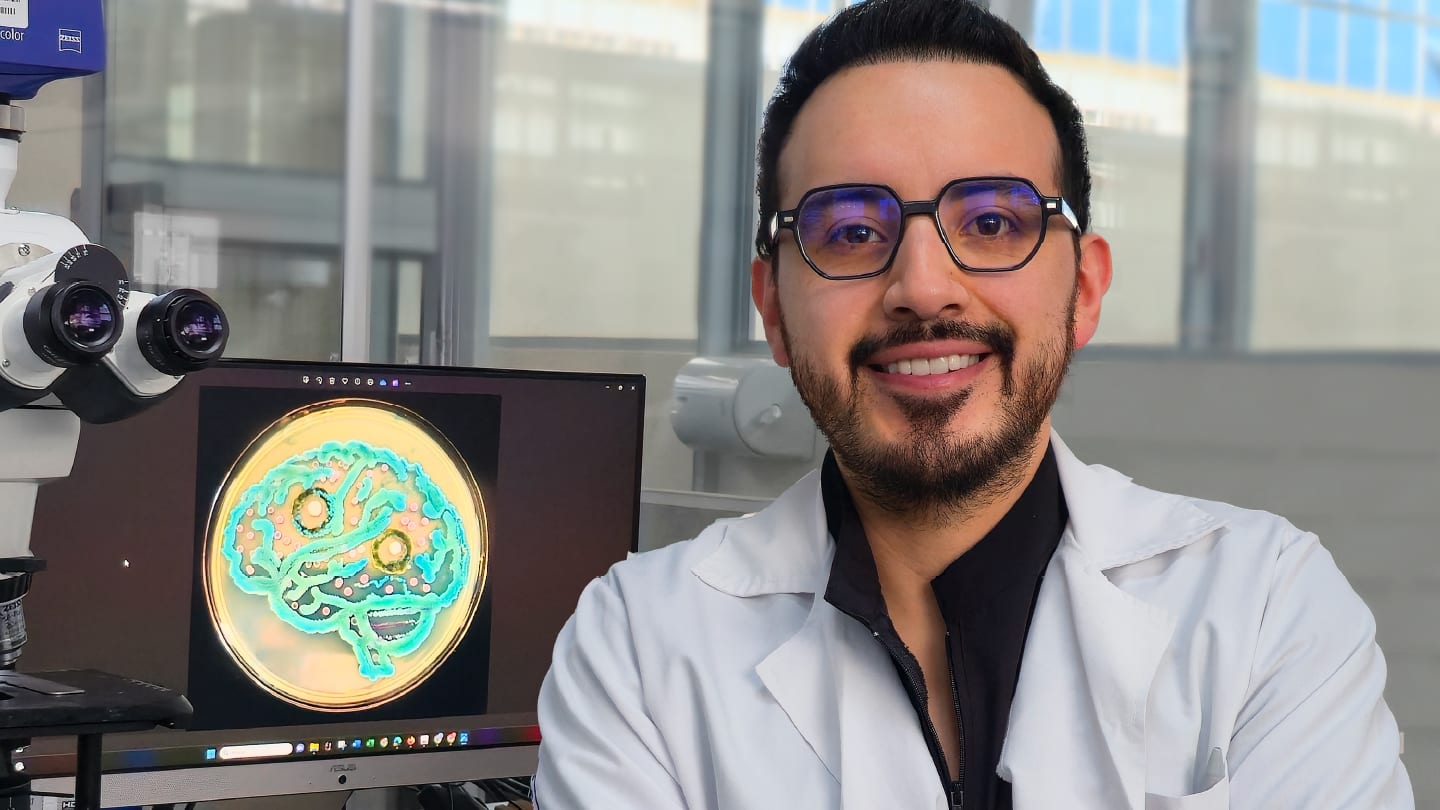
Proteomics Gives Us the Cancer Traffic Report
In cancer genotyping, genomics provides the blueprint, while proteomics tells us what has been built – so let's integrate them
By
Kayla Sparks
Emanuel "Chip" Petricoin
September 3, 2026
Clinical Scorecard: Proteomics Gives Us the Cancer Traffic Report
At a Glance
Category Detail
Condition Cancer Key Mechanisms Functional proteomics reveals the actual activity of proteins and signaling pathways in tumors, which can differ from genomic predictions. Target Population Patients with cancer undergoing precision oncology diagnostics. Care Setting Oncology diagnostics and treatment planning.
Key Highlights
Genomics provides information on potential tumor behavior based on DNA alterations. Functional proteomics assesses the actual biological activity of proteins in tumors. Phosphorylation is a key regulatory mechanism affecting protein activity and signaling pathways. Understanding both genomic and proteomic data is critical for effective therapy selection. Tumors may respond differently to therapies based on their functional state, not just genomic alterations. Guideline-Based Recommendations
Diagnosis
Incorporate functional proteomics into oncology diagnostics to better understand tumor behavior. Management
Consider both genomic and proteomic data when selecting targeted therapies for cancer patients. Monitoring & Follow-up
Monitor protein activation states and signaling pathways to assess treatment response and resistance. Risks
Relying solely on genomic data may lead to false confidence in treatment efficacy or overlook potential therapeutic options. Patient & Prescribing Data
Patients with tumors harboring genomic alterations.
Therapeutic responses can vary significantly among patients with similar genomic profiles due to differences in functional proteomics.
Clinical Best Practices
Utilize multi-omic approaches combining genomics and proteomics for precision medicine. Employ phosphoproteomics to evaluate the activation of key signaling pathways in tumors. Related Resources & Content