Early screening and post-treatment chronic endometritis in subsequent frozen embryo transfer cycles among women with first implantation failure: a retrospective cohort study - Scorecard - MDSpire
Advertisement
Early screening and post-treatment chronic endometritis in subsequent frozen embryo transfer cycles among women with first implantation failure: a retrospective cohort study
Clinical Scorecard: Impact of Early Detection and Management of Chronic Endometritis on Subsequent Frozen Embryo Transfer Cycles in Women Experiencing Initial Implantation Failure: A Retrospective Cohort Analysis
At a Glance
Category
Detail
Condition
Chronic Endometritis
Key Mechanisms
Inflammatory disorder of the endometrium associated with implantation failure.
Target Population
Women experiencing first implantation failure (FIF) following IVF/ICSI.
Care Setting
In vitro fertilization and intracytoplasmic sperm injection (IVF/ICSI) clinics.
Key Highlights
CE identified in 16.8% of women with FIF.
Cure rate of chronic endometritis was 89.1% after two courses of antibiotics.
Persistent chronic endometritis linked to lower live birth rates (28.3% vs. 41.8%).
Women with ≤4 CD138-positive plasma cells had comparable pregnancy outcomes.
Standardized antibiotic treatment improved outcomes for women with CE.
Guideline-Based Recommendations
Diagnosis
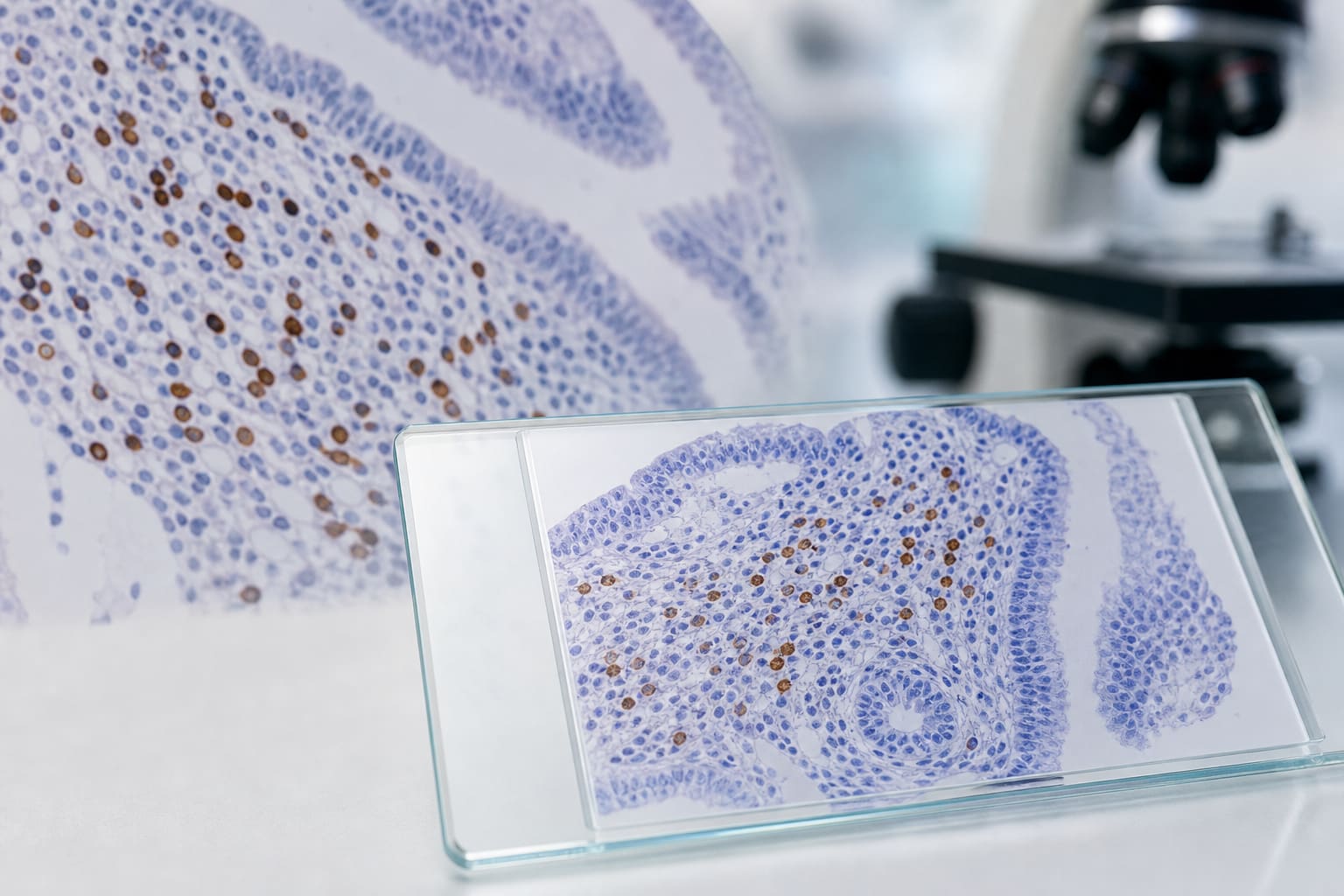
Endometrial biopsy with CD138 immunohistochemical evaluation is recommended for diagnosing chronic endometritis.
Management
Standardized empirical antibiotic treatment is recommended for women diagnosed with chronic endometritis.
Monitoring & Follow-up
Post-treatment reassessment of CD138-positive plasma cells is advised before subsequent embryo transfer cycles.
Risks
Persistent chronic endometritis is associated with poorer reproductive outcomes.
Patient & Prescribing Data
Women undergoing frozen-thawed embryo transfer cycles after experiencing first implantation failure.
Standardized antibiotic therapy can lead to histological remission and improved pregnancy outcomes.
Clinical Best Practices
Early evaluation of endometrial factors in women with first implantation failure is essential.
Utilization of CD138 as a diagnostic marker for chronic endometritis should be standardized.