Clinical Scorecard: Women’s Access to Fertility Services
At a Glance
Category
Detail
Condition
Clinical topic addressed by the source article: Women’s Access to Fertility Services
Key Mechanisms
Mechanisms or clinical associations described in the source article.
Target Population
Population described in the source article.
Care Setting
National U.S. survey conducted online and by telephone; findings concern women aged 18–49.
Key Highlights
Fifteen percent of women aged 18–49 reported that they or their partner had ever needed fertility services to become pregnant or prevent miscarriage.
Eleven percent reported receiving fertility assistance; 3% of all women aged 18–49 reported needing but being unable to obtain care.
Among those reporting a need for fertility care, advice (46%) and testing (39%) were commonly received; 34% reported ovulation drugs.
Among women reporting a need, 13% reported IVF and 16% artificial insemination; each service was reported by 2% of all women aged 18–49.
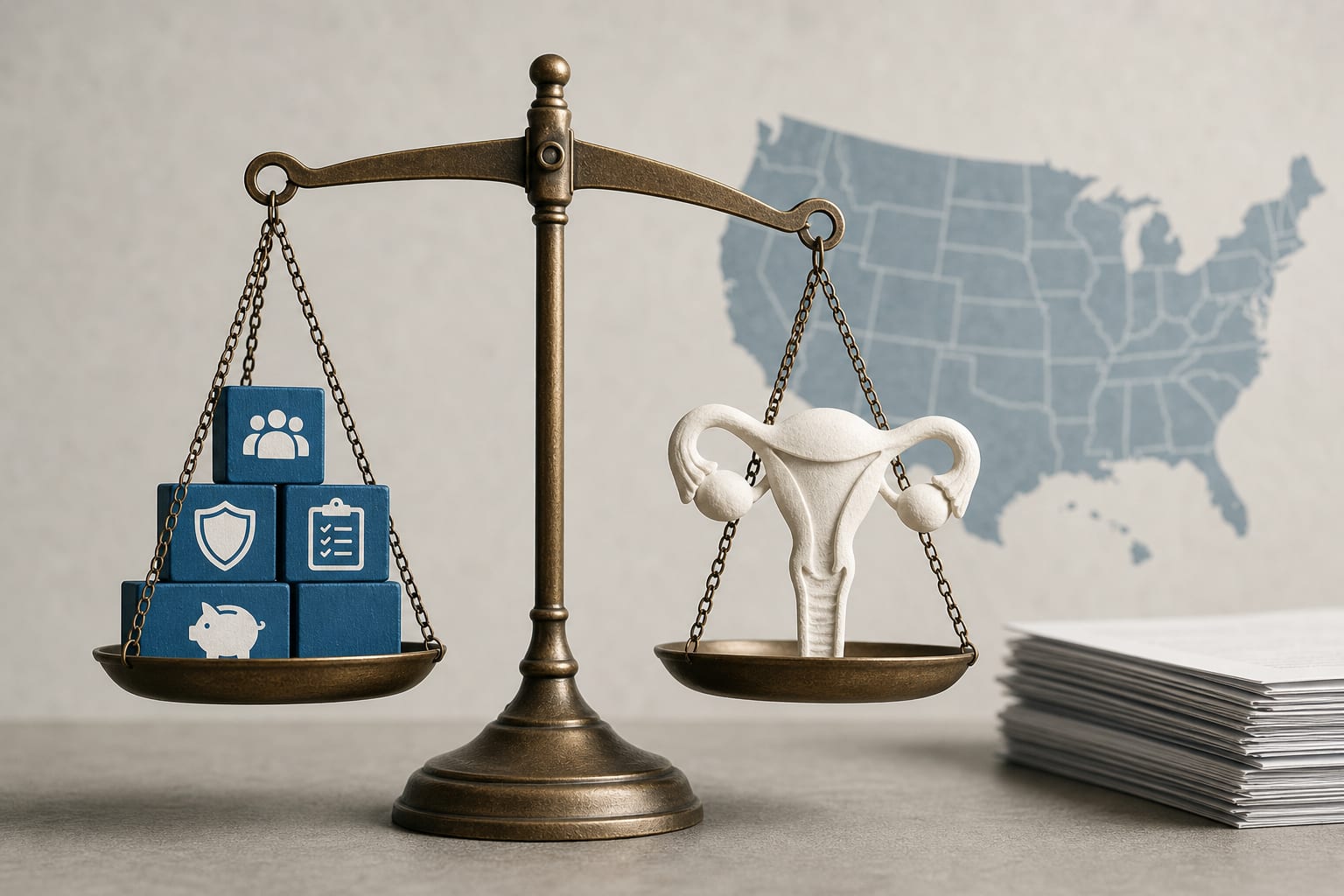
Cost was the most frequently cited reason for not obtaining needed fertility care. Among women reporting a need for fertility assistance, IVF receipt was reported by 17% of higher-income respondents and 3% of low-income respondents.
Guideline-Based Recommendations
Diagnosis
The survey reports self-reported lifetime need for fertility services; it does not provide clinical diagnostic criteria.
Management
The article does not provide clinical treatment recommendations.
No federal requirement for insurance coverage of fertility services is described; some states require some degree of coverage in state-regulated plans, with limited reach.
Monitoring & Follow-up
The survey was conducted nationally online and by telephone from March 11 to April 14, 2026, and reports findings for women aged 18–49.
Risks
Cost was the most frequently cited barrier among respondents who needed but did not obtain fertility care.
The article notes that most people with employer-sponsored coverage are enrolled in self-insured plans, which are generally outside the reach of state-regulated-plan coverage requirements.
Patient & Prescribing Data
Women aged 18–49 surveyed in the United States; findings include services needed or received by the respondent or her partner.
Among respondents reporting a need for fertility care, 34% reported ovulation drugs, 13% IVF, and 16% artificial insemination. IVF receipt was reported by 17% of higher-income respondents and 3% of low-income respondents who reported needing fertility assistance.