Sleep quality and its associated factors among women of reproductive age in Ethiopia: a systematic review and meta-analysis
-
By
-
Diriba Dereje Olana
-
Tesema Etefa Birhanu
-
Adisu Ewunetu Desisa
-
May 20, 2026
-
Clinical Scorecard: Assessment of Sleep Quality and Contributing Factors in Reproductive-Aged Women in Ethiopia: A Systematic Review and Meta-Analysis
At a Glance
| Category | Detail |
|---|
| Condition | Poor Sleep Quality |
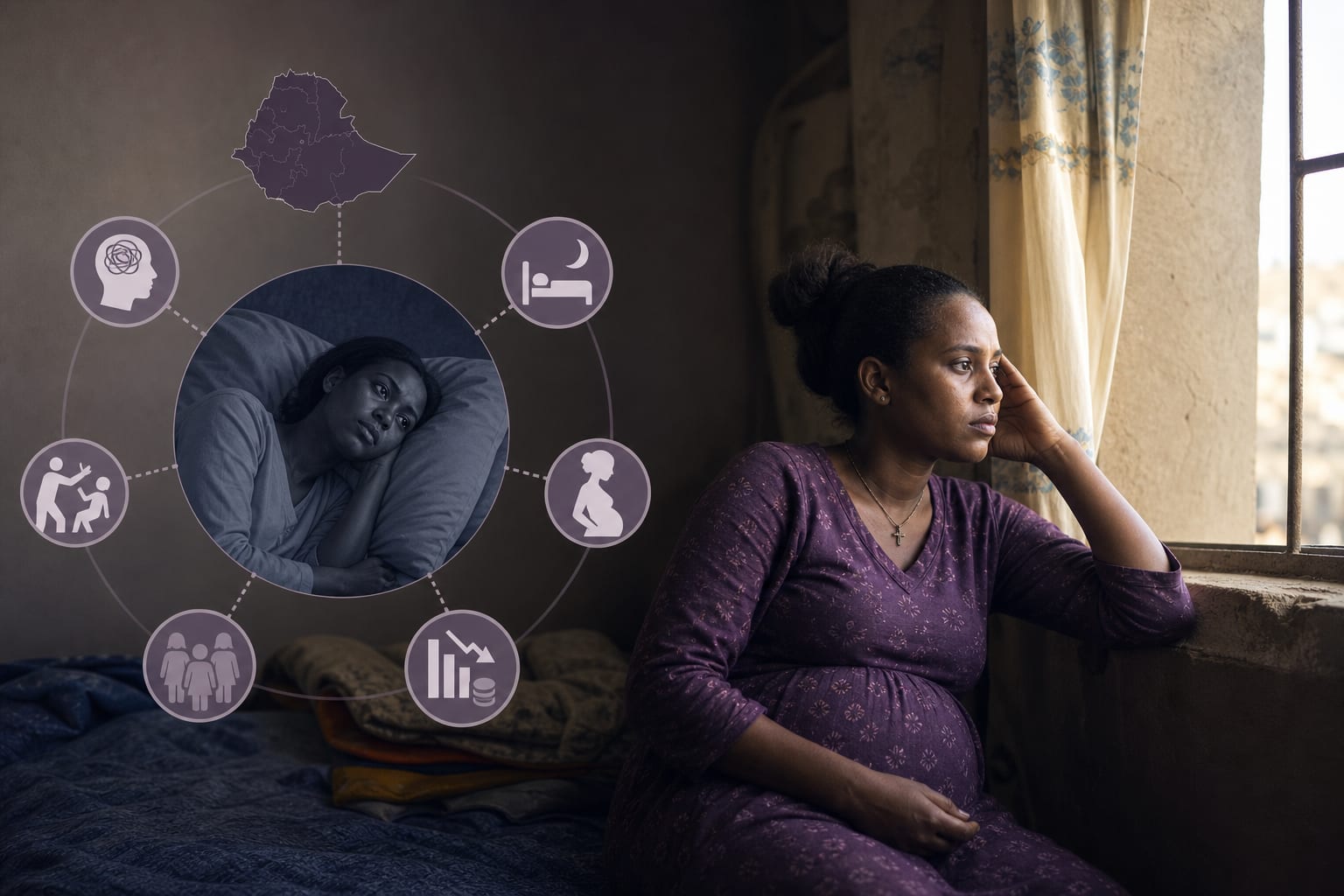
| Key Mechanisms | Influenced by socio-economic and cultural factors, intimate partner violence, depression, and substance use. |
| Target Population | Women of reproductive age (15–49 years) in Ethiopia |
| Care Setting | Low-resource settings |
Key Highlights
- Pooled prevalence of poor sleep quality is 49.17% among Ethiopian women.
- Significant predictors include intimate partner violence (OR: 3.24) and depression (OR: 3.37).
- Poor sleep quality is linked to adverse reproductive health outcomes.
Guideline-Based Recommendations
Diagnosis
- Utilize the Pittsburgh Sleep Quality Index (PSQI) for assessing sleep quality.
Management
- Implement screening and preventive measures targeting identified risk factors.
Monitoring & Follow-up
- Regularly assess sleep quality in reproductive health programs.
Risks
- Inadequate sleep can lead to chronic health conditions and adverse pregnancy outcomes.
Patient & Prescribing Data
Reproductive-aged women (15–49 years) in Ethiopia.
Address socio-economic and psychological factors to improve sleep health.
Clinical Best Practices
- Integrate sleep health assessments into maternal health programs.
- Focus on mental health support to mitigate risks associated with poor sleep.
Related Resources & Content