Impact of RAS mutation status on early progression in patients with initially unresectable colorectal liver metastases undergoing conversion therapy: a retrospective analysis - Scorecard - MDSpire

Impact of RAS mutation status on early progression in patients with initially unresectable colorectal liver metastases undergoing conversion therapy: a retrospective analysis

  • By

  • Rong Yang

  • Weili Zhang

  • Jin Lan

  • Weihao Li

  • Zhigang Hong

  • Jun Chi

  • Jianhong Peng

  • Cong Li

  • Xiaojun Wu

  • July 1, 2026

  • 0 min

Share

Clinical Scorecard: Influence of RAS Mutation Status on Early Disease Progression in Patients with Initially Unresectable Colorectal Liver Metastases Receiving Conversion Therapy: A Retrospective Study

At a Glance

CategoryDetail
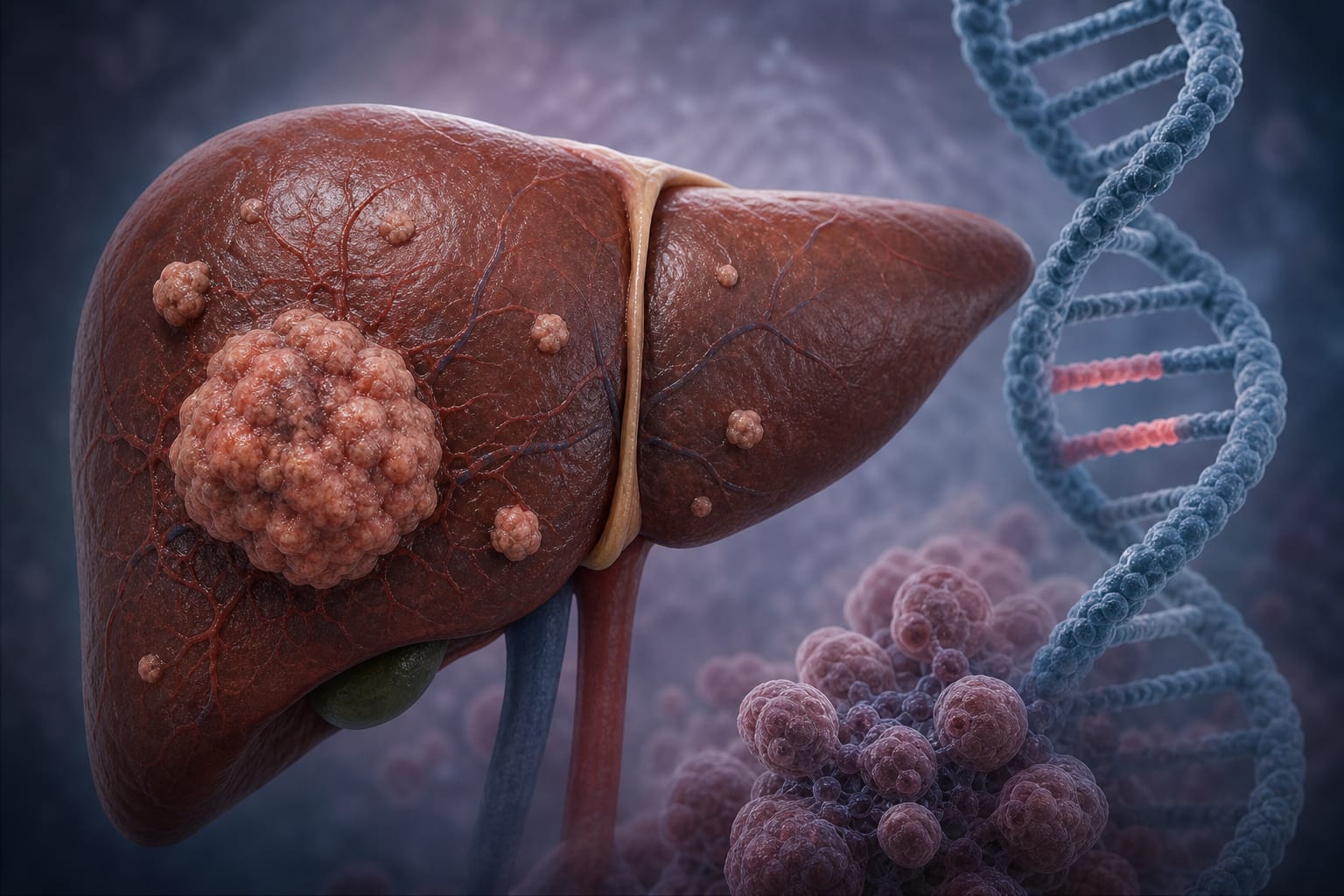
ConditionColorectal cancer liver metastases (CRLM)
Key MechanismsRAS mutations are associated with poor outcomes and higher early progression/recurrence rates.
Target PopulationPatients with initially unresectable colorectal liver metastases (IU-CRLM) undergoing conversion therapy.
Care SettingOncology treatment centers.

Key Highlights

  • 44.8% of patients achieved successful conversion.
  • RAS-mutant patients had a higher early progression/recurrence rate (41.2% vs. 19.6%).
  • RAS mutation independently associated with early progression/recurrence (OR: 3.546).
  • Higher early progression rate in failed conversion patients with RAS mutations (36.7% vs. 13.0%).
  • No significant difference in early recurrence rates among successfully converted patients by RAS status.

Guideline-Based Recommendations

Diagnosis

  • Histological confirmation of colorectal adenocarcinoma with proficient mismatch repair (pMMR).
  • RAS mutation status determined by Next-Generation Sequencing (NGS) or Polymerase Chain Reaction (PCR).

Management

  • Individualized treatment strategies based on RAS mutation status.
  • Multidisciplinary team consensus for treatment and resectability.

Monitoring & Follow-up

  • Surveillance strategies may be individualized based on RAS mutation status.

Risks

  • Higher risk of early progression/recurrence in RAS-mutant patients.

Patient & Prescribing Data

194 patients with initially unresectable, pMMR CRLM.

Targeted therapy selected based on molecular testing results and RAS status.

Clinical Best Practices

  • Utilize RAS mutation status to guide targeted therapy decisions.
  • Monitor for early progression/recurrence in RAS-mutant patients.

Related Resources & Content

Original Source(s)

Related Content