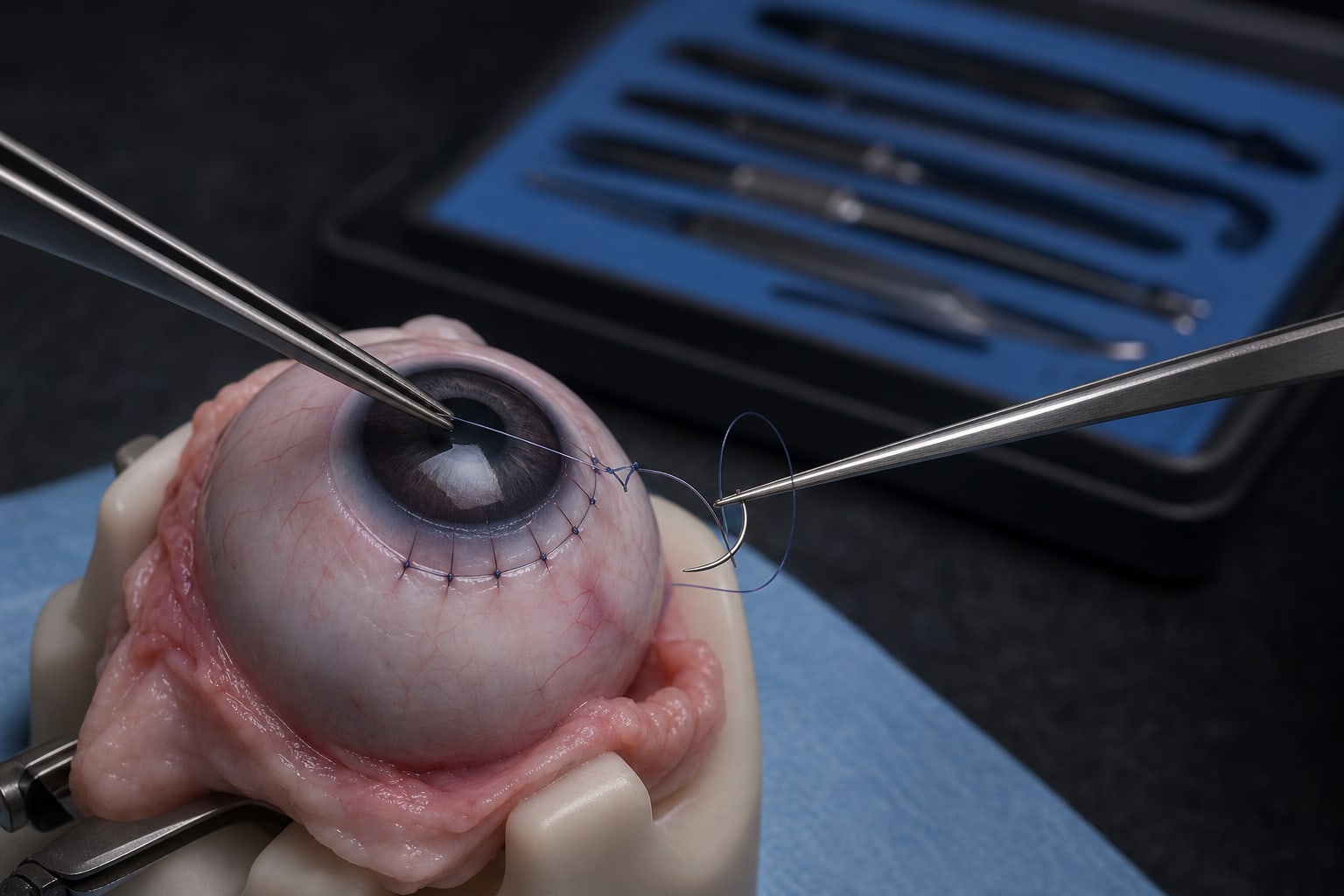
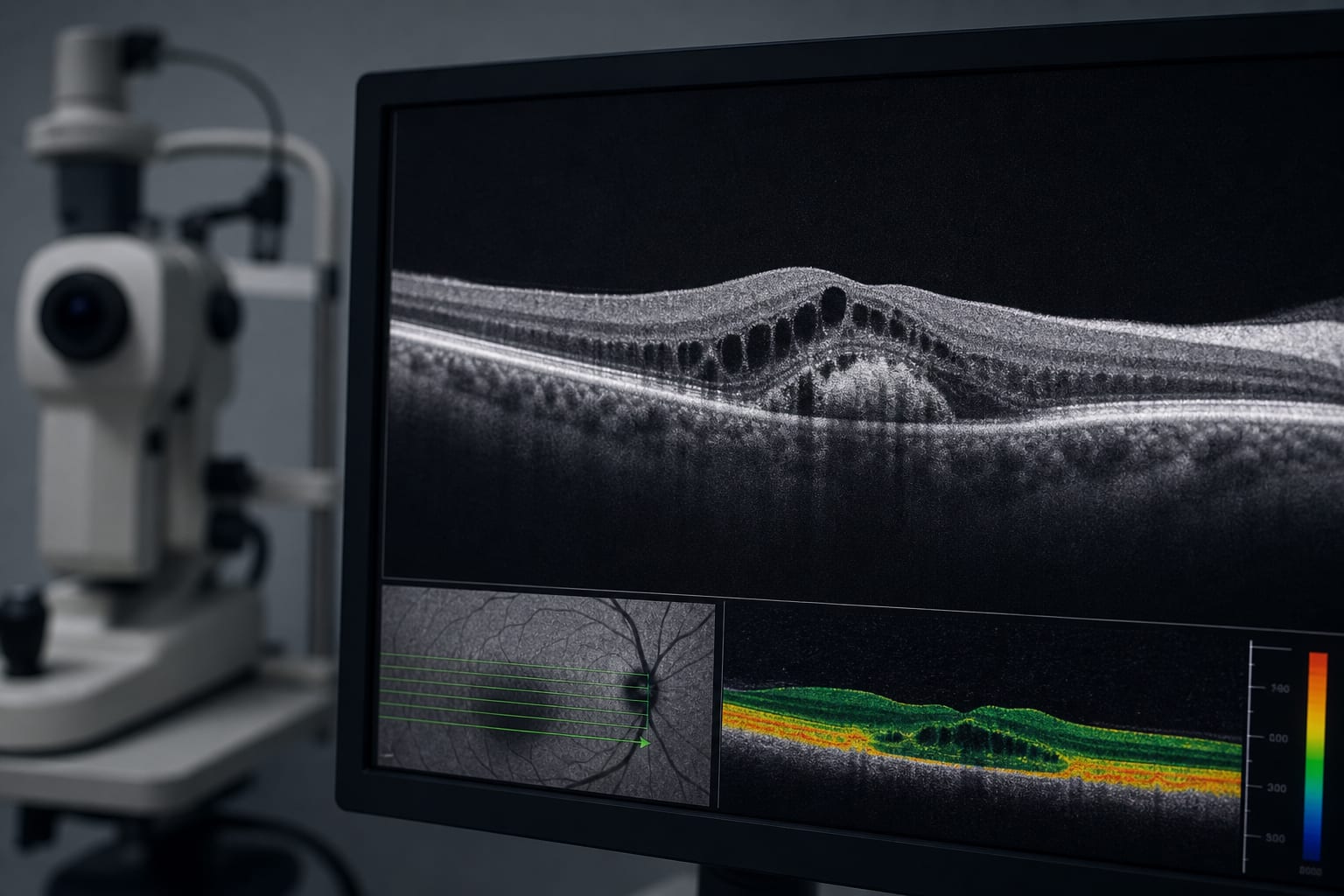
Confidence in managing open-globe injuries and endophthalmitis: a pre- and postwet-lab training evaluation
By
Vegard Asgeir Forsaa
Birger Lindtjørn
June 17, 2026
Clinical Scorecard: Assessing Confidence Levels in Open-Globe Injury and Endophthalmitis Management: Evaluation Before and After Wet-Lab Training
At a Glance
Category Detail
Condition Open-globe injury (OGI) and endophthalmitis Key Mechanisms Surgical management of ocular emergencies to prevent severe visual loss Target Population Final-year ophthalmology residents Care Setting Wet-lab training environment
Key Highlights
Confidence in corneal and scleral suturing improved significantly post-training. Endophthalmitis treatment confidence increased and remained high after 6 months. Wet-lab training effectively enhances surgical skills in a risk-free environment. Guideline-Based Recommendations
Diagnosis
Timely diagnosis of OGI and endophthalmitis is critical to prevent complications. Management
Close the globe within 12 to 24 hours to reduce the risk of endophthalmitis. Monitoring & Follow-up
Regular assessment of surgical skills and confidence in managing OGI and endophthalmitis. Risks
Delayed treatment increases the risk of poor patient outcomes. Patient & Prescribing Data
Ocular emergency patients with OGI and endophthalmitis
Surgical skills training is essential for effective management.
Clinical Best Practices
Implement wet-lab training for ophthalmology residents to enhance surgical skills. Utilize realistic surgical scenarios to improve confidence and competence. Related Resources & Content