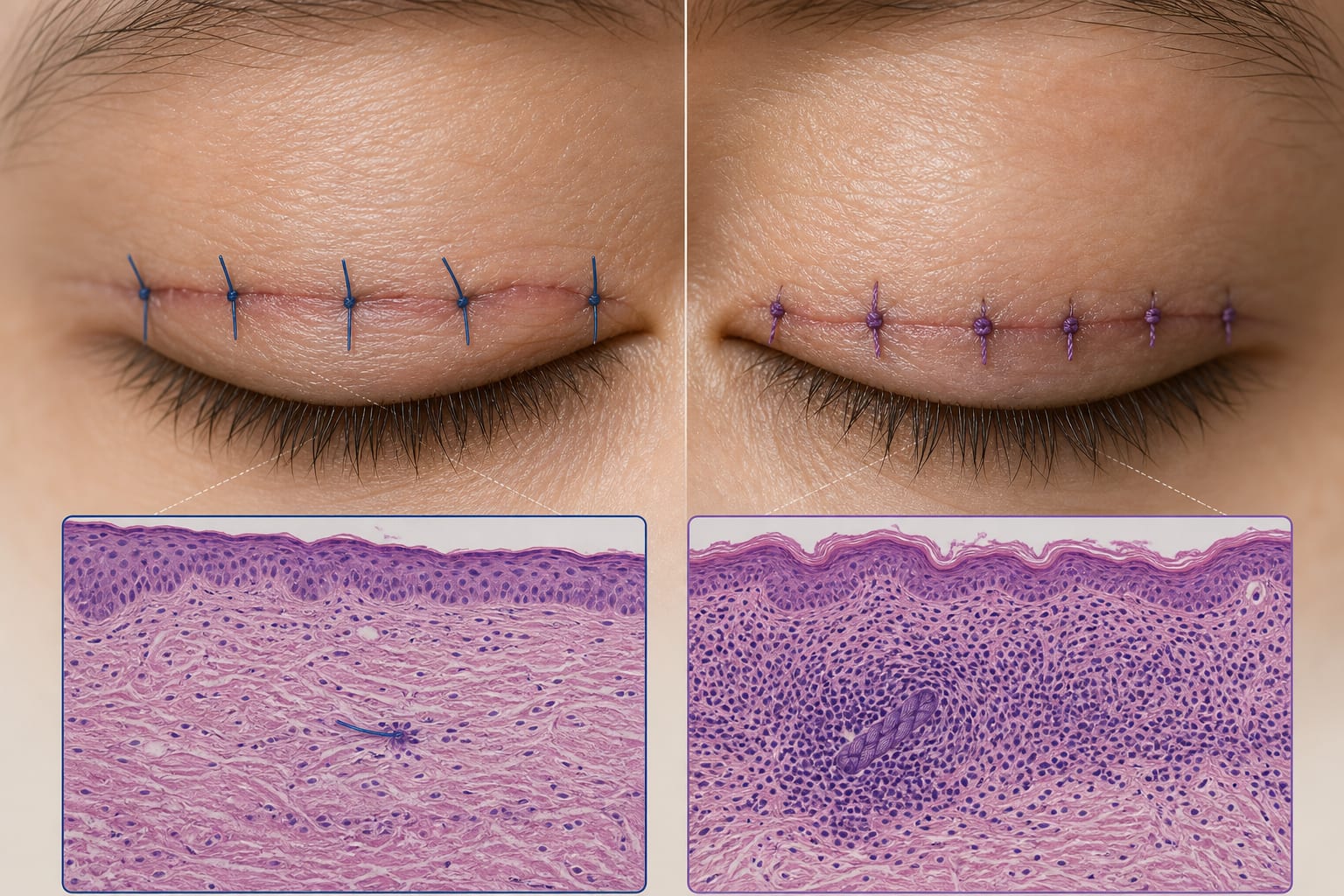
Retrospective analysis of the clinical efficacy of topical hyaluronic acid in promoting skin recovery and reducing inflammatory reactions after fractional laser treatment - Scorecard - MDSpire

Retrospective analysis of the clinical efficacy of topical hyaluronic acid in promoting skin recovery and reducing inflammatory reactions after fractional laser treatment

  • By

  • Chungwen Yen

  • Tsean Yen

  • May 5, 2026

  • 0 min

Share

Clinical Scorecard: Evaluation of the Clinical Effectiveness of Topical Hyaluronic Acid for Enhancing Skin Healing and Mitigating Inflammatory Responses Following Fractional Laser Therapy

At a Glance

CategoryDetail
ConditionPostoperative recovery after fractional laser therapy
Key MechanismsTopical hyaluronic acid promotes skin healing, reduces inflammation, and enhances skin barrier function.
Target PopulationPatients undergoing fractional laser treatment
Care SettingPostoperative clinical care

Key Highlights

  • Topical hyaluronic acid significantly shortened erythema disappearance and scab shedding times.
  • Lower serum IL-6 and TNF-α levels were observed in the HA group.
  • Improved skin moisture content and reduced transepidermal water loss in the HA group.
  • No significant differences in blood routine, liver/kidney function, or adverse reactions between groups.
  • Hyaluronic acid is an independent favorable factor for skin recovery.

Guideline-Based Recommendations

Diagnosis

  • Monitor skin recovery indicators post-fractional laser therapy.

Management

  • Incorporate topical hyaluronic acid in postoperative care to enhance recovery.

Monitoring & Follow-up

  • Assess inflammatory markers (IL-6, TNF-α) and skin barrier function indicators.

Risks

  • Potential for erythema, edema, and other adverse reactions post-laser therapy.

Patient & Prescribing Data

113 patients who underwent fractional laser treatment.

Topical hyaluronic acid dressings improve skin recovery and reduce inflammatory responses.

Clinical Best Practices

  • Utilize high-molecular-weight hyaluronic acid for anti-inflammatory effects.
  • Monitor patient-reported outcomes such as pain and skin condition.
  • Ensure comprehensive postoperative care including hydration and barrier function assessment.

References

Original Source(s)

Related Content