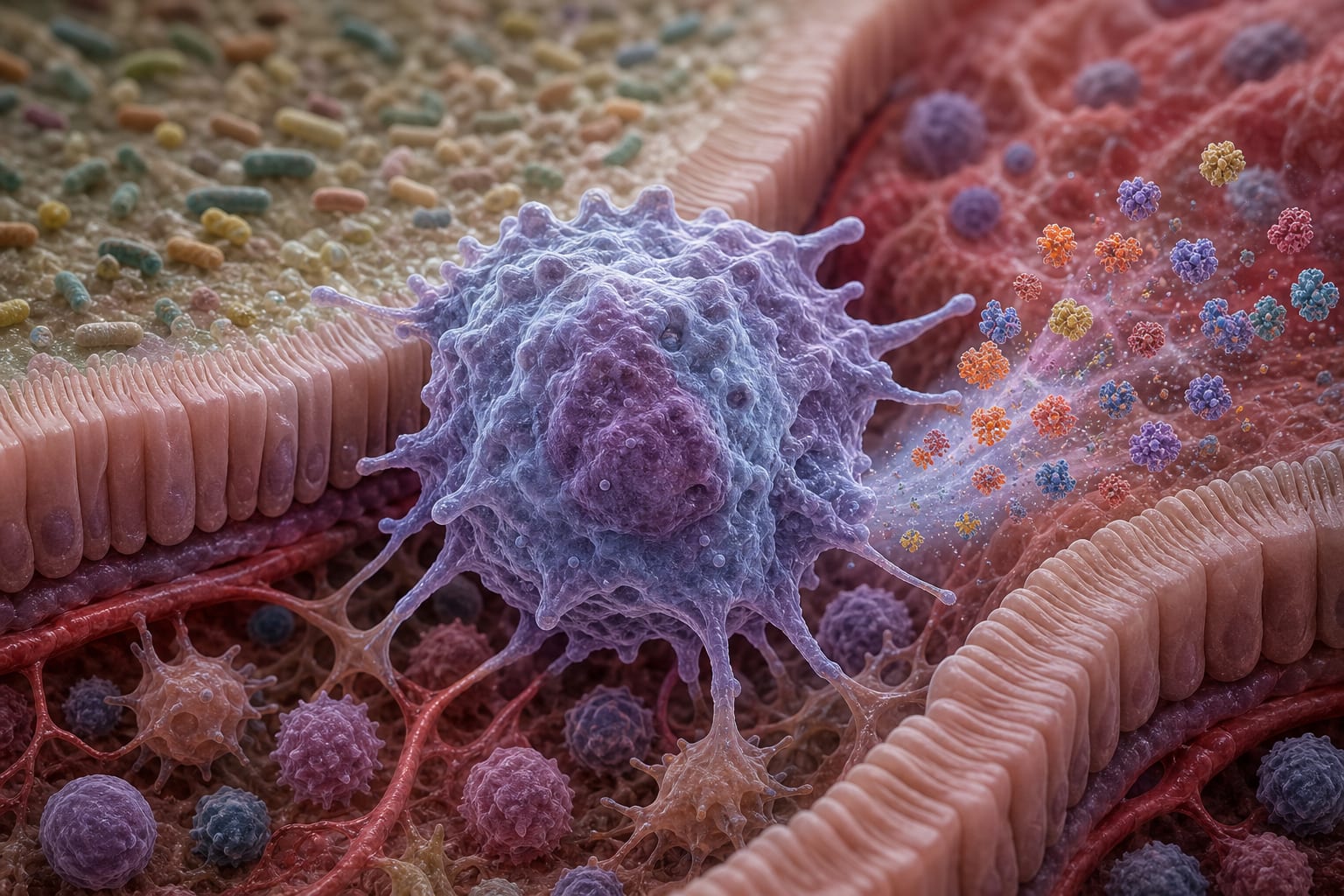
Clinical Scorecard: Dysregulation of Macrophages in Inflammatory Bowel Disease: Variability, Pathogenic Mechanisms, and Therapeutic Approaches
At a Glance
Category
Detail
Condition
Key Mechanisms
Dysregulated macrophage behavior, excessive monocyte recruitment, metabolic stress, and disrupted immune tolerance, with specific emphasis on their roles in cytokine production and barrier integrity.
Target Population
Care Setting
Key Highlights
Macrophages play a central role in the pathogenesis of IBD, particularly in cytokine amplification and barrier breakdown.
Therapeutic strategies include targeted nanomedicine, metabolic reprogramming, and biomimetic delivery systems.
Guideline-Based Recommendations
Diagnosis
Assess macrophage states and their contribution to inflammation in IBD, focusing on specific markers.
Management
Implement mechanism-based therapeutic strategies targeting macrophage dysregulation, including specific drug classes.
Monitoring & Follow-up
Monitor macrophage phenotypes and inflammatory markers in IBD patients, with a focus on specific cytokines.
Risks
Increased risk of fibrosis and impaired mucosal healing due to macrophage dysfunction, emphasizing the need for early intervention.
Patient & Prescribing Data
Focus on therapies that address macrophage reprogramming and inflammatory pathways, including specific examples.
Clinical Best Practices
Utilize precision therapy approaches based on macrophage state architecture, incorporating specific dietary recommendations.
Engage in ongoing research to validate therapeutic interventions targeting macrophages, with a focus on clinical trials.