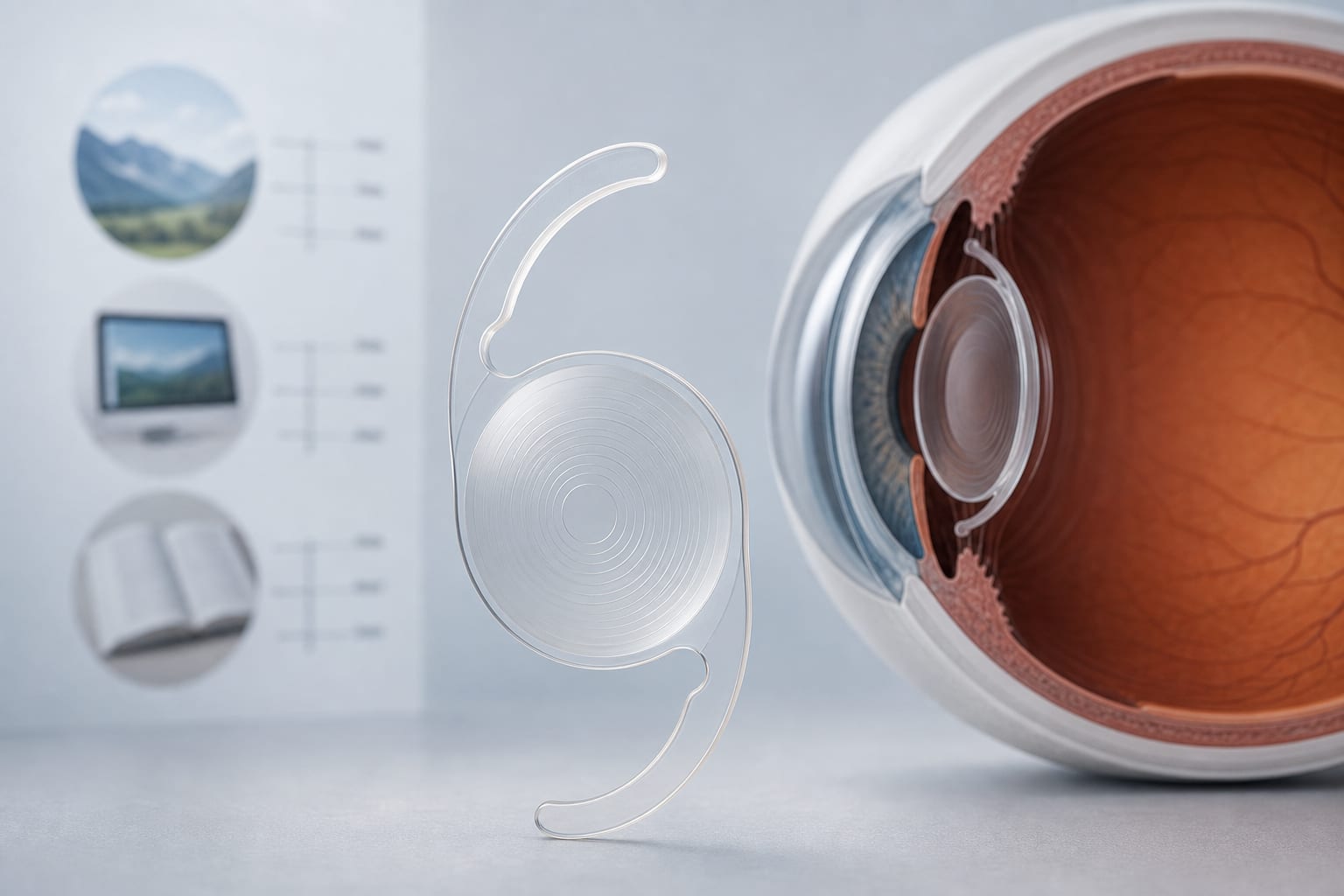
Precision, Technology, and the Art of Sight
Reflections on ophthalmology, general surgery, and modern surgical practice
-
By
-
Shameer Mohamed Naleer
-
September 22, 2026
-
Clinical Scorecard: Precision, Technology, and the Art of Sight
At a Glance
| Category | Detail |
|---|
| Condition | Ophthalmology |
| Key Mechanisms | Structured diagnostic discipline integrating clinical history, anatomical localization, and imaging. |
| Target Population | Patients requiring ophthalmic surgical intervention. |
| Care Setting | Ophthalmic surgical practice. |
Key Highlights
- Ophthalmic diagnostics rely on a structured approach combining clinical history and imaging.
- Technological precision in ophthalmology enhances surgical outcomes and patient independence.
- Intraoperative OCT provides real-time imaging, improving surgical decision-making.
- Ophthalmology emphasizes meticulous planning and longitudinal patient care.
- General surgery and ophthalmology share common surgical principles despite differing philosophies.
Guideline-Based Recommendations
Diagnosis
- Utilize detailed clinical history to guide differential diagnosis.
- Employ imaging modalities such as OCT and fundus photography for confirmation.
Management
- Incorporate technology like femtosecond lasers and iOCT in surgical procedures.
Monitoring & Follow-up
- Establish a reproducible foundation for monitoring disease progression over time.
Risks
- Consider variability in surgical outcomes based on anatomical complexity.
Patient & Prescribing Data
Individuals undergoing cataract surgery or treatment for ocular conditions.
Immediate visual function improvements are often observed post-surgery.
Clinical Best Practices
- Maintain structured communication within multidisciplinary teams.
- Apply meticulous planning and anatomical precision in surgical interventions.
- Develop adaptability and decisiveness in acute clinical situations.
Related Resources & Content