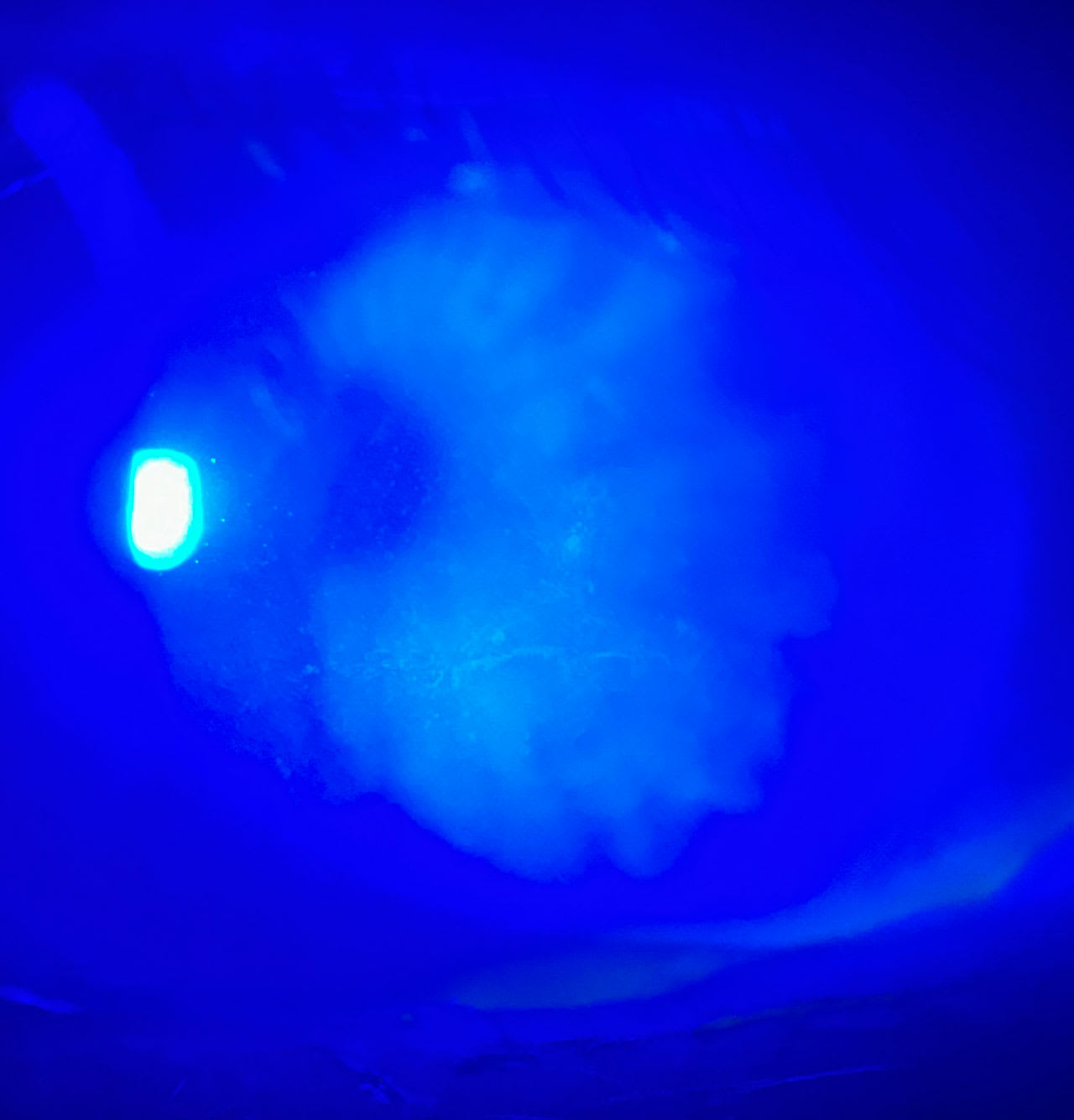
Dry Eye: Addressing Diabetic Keratopathy
Diabetic patients have an increased risk of corneal disorders, including superficial punctate keratitis, recurrent corneal erosions, persistent epithelial defects, corneal ulcers, and a higher likelihood of developing dry eye disease (DED).These corneal changes comprise the condition diabetic keratopathy.
By
Pamela E. Theriot, OD
May 1, 2025
Clinical Scorecard: Dry Eye: Addressing Diabetic Keratopathy
At a Glance
Category Detail
Condition Diabetic Keratopathy (DK) Key Mechanisms Hyperglycemic environment leading to oxidative stress, chronic inflammation, and decreased corneal sensation. Target Population Diabetic patients, approximately 46% to 64% of whom will develop DK. Care Setting Ophthalmology clinics and primary care settings.
Key Highlights
DK is often misdiagnosed as dry eye disease or neurotrophic keratitis. Hallmarks of DK include chronic inflammation, decreased corneal sensation, and delayed wound healing. Effective management includes systemic blood glucose control and various topical treatments. Guideline-Based Recommendations
Diagnosis
Distinguish DK from dry eye disease and neurotrophic keratitis based on clinical signs. Management
Systemic control of blood glucose levels. Use of preservative-free artificial tears, topical antibiotics, and bandage contact lenses. Monitoring & Follow-up
Regular assessment of corneal health and visual acuity in diabetic patients. Risks
Increased risk of corneal ulcers and vision loss due to misdiagnosis and inadequate management. Patient & Prescribing Data
Diabetic patients with corneal disorders.
Topical insulin drops and autologous serum tears show promise in promoting healing.
Clinical Best Practices
Collaborate with primary care or endocrinology to optimize blood glucose control. Address associated conditions like ocular rosacea and blepharitis to improve treatment outcomes. Related Resources & Content