Bioactive Bone Grafting Designed to Support Predictable Regeneration
-
By
-
Charles D Schlesinger
-
September 1, 2026
-
Clinical Scorecard: Bioactive Bone Grafting Designed to Support Predictable Regeneration
At a Glance
| Category | Detail |
|---|
| Condition | Bone Grafting |
| Key Mechanisms | Ion exchange and biomimetic scaffold support bone regeneration. |
| Target Population | Patients requiring bone grafting for dental implants. |
| Care Setting | Implant dentistry |
Key Highlights
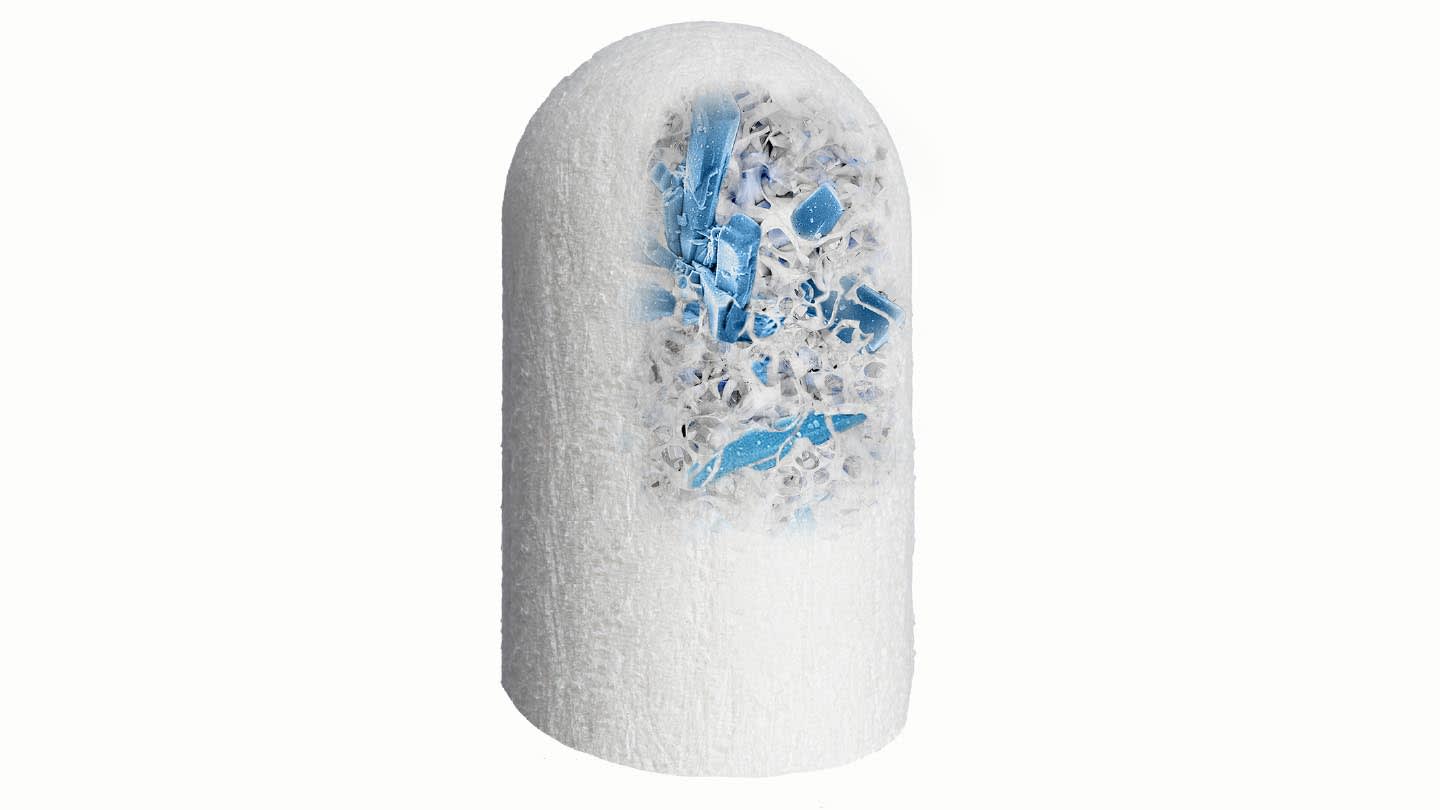
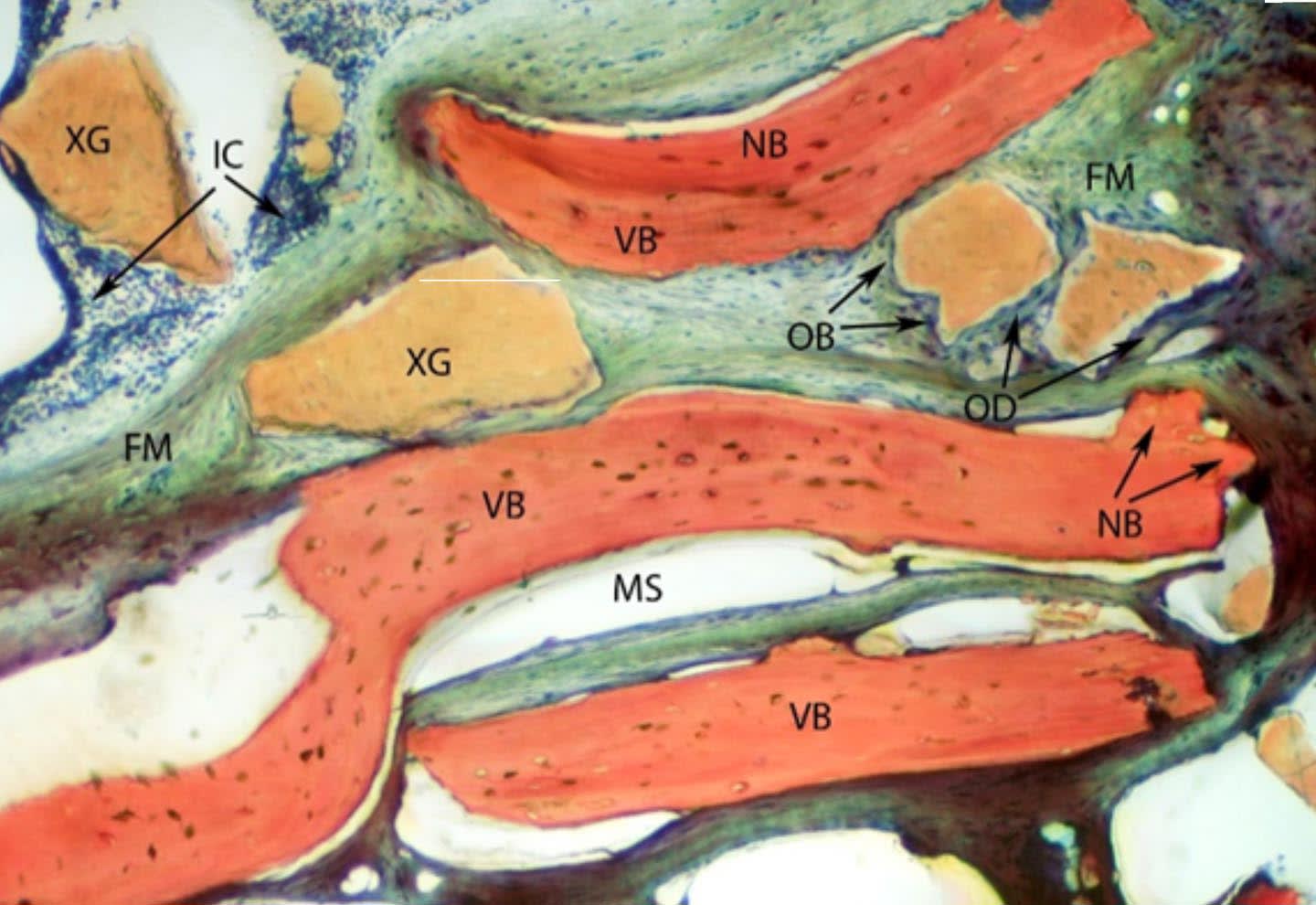
- OsteoGen™ incorporates Bioactive Crystal Technology for enhanced bone regeneration.
- Non-sintered structure allows for active participation in the healing process.
- Material transitions from radiolucent to radiopaque, aiding in monitoring healing.
- Integrated collagen matrix often eliminates the need for a separate barrier membrane.
- No pre-hydration is needed as OsteoGen absorbs the patient's blood upon placement.
Guideline-Based Recommendations
Diagnosis
- Evaluate the need for bone grafting in dental implant procedures.
Management
- Consider starting with alveolar ridge preservation cases to gain familiarity.
Monitoring & Follow-up
- Use periapical radiographs 3 to 5 months post-grafting to assess healing.
Risks
- Potential for poor bone quality with conventional grafting materials.
Patient & Prescribing Data
Patients undergoing dental implant procedures requiring bone support.
OsteoGen can be used in various applications including ridge preservation and sinus elevation.
Clinical Best Practices
- Utilize OsteoGen products for predictable bone regeneration outcomes.
- Monitor healing through radiographic assessments.
Related Resources & Content