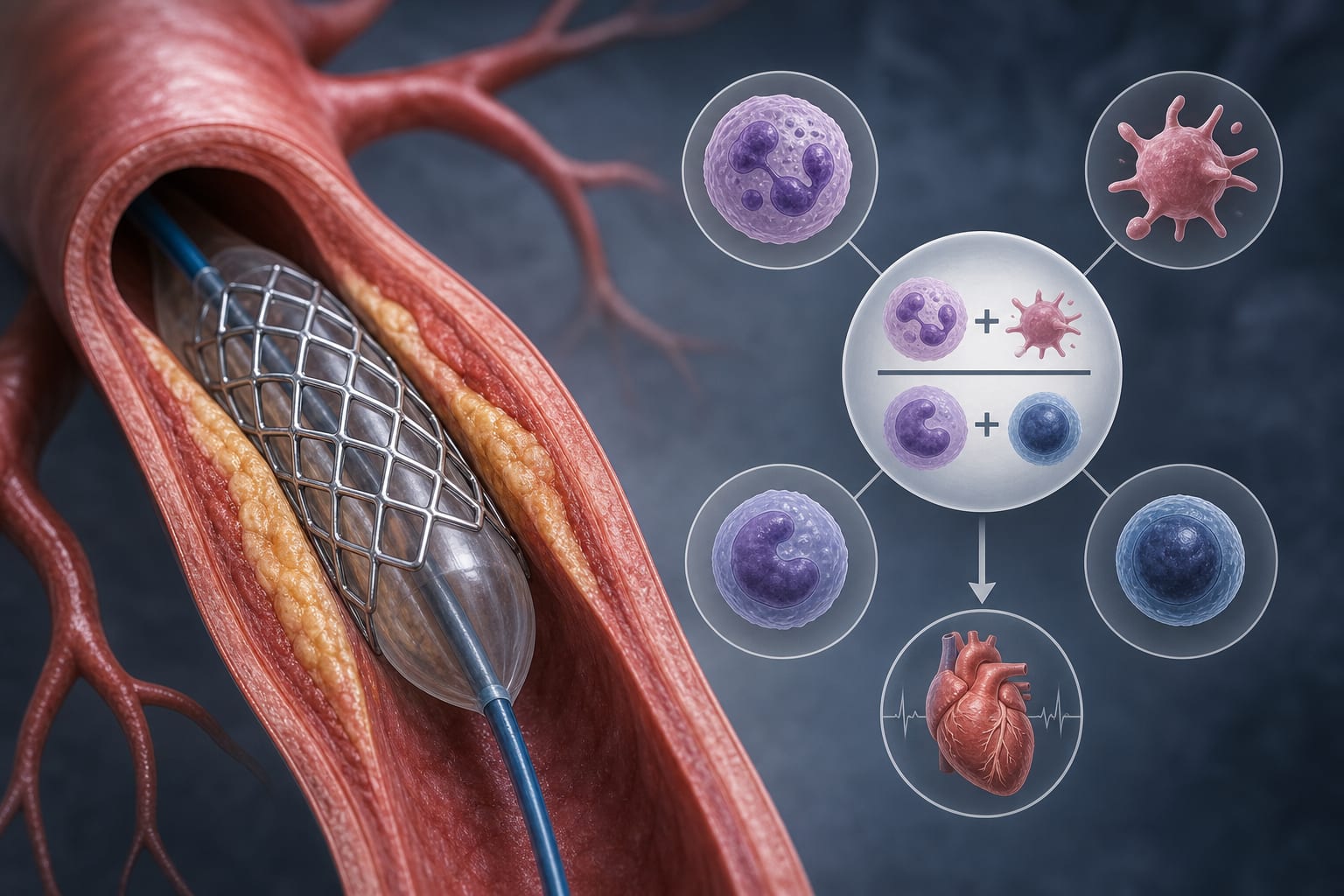
Relationship of Initial Blood Glucose Levels to Atypical Angina in Individuals with Coronary Artery Disease
By
Zhen Li
Xu-ru Li
Zheng Huang
Xiao-lin Ma
Jing-shui Zhang
Cun-ming Fang
Tian-kui Gong
Wen-long Ding
Rui Tao
Xue-Jun Hu
Zu-fei Wu
March 11, 2026
Clinical Scorecard: Relationship of Initial Blood Glucose Levels to Atypical Angina in Individuals with Coronary Artery Disease
At a Glance
Category Detail
Condition Key Mechanisms Hyperglycemia associated with coronary microvascular dysfunction and stent restenosis, particularly in atypical angina. Target Population Care Setting
Key Highlights
Atypical angina accounts for 20% to 45% of cases in stable coronary artery disease. Hyperglycemia may drive adverse outcomes in acute coronary syndrome. Timely identification of atypical angina is critical for effective management. Patients with atypical symptoms are often overlooked, leading to diagnostic delays. Distinct clinical profiles exist between MINOCA and MI-CAD patients. Monitoring blood glucose levels is essential in patients with atypical angina. Guideline-Based Recommendations
Diagnosis
Management
Implement standardized dual antiplatelet therapy and guideline-directed medical therapy at discharge. Consider specific strategies for managing blood glucose levels in patients with atypical angina. Monitoring & Follow-up
Risks
Patient & Prescribing Data
Patients received dual antiplatelet therapy and lipid-lowering therapy (e.g., atorvastatin 80 mg) upon discharge.
Clinical Best Practices
Maintain high vigilance for atypical angina presentations. Educate non-cardiology physicians on recognizing atypical symptoms of coronary artery disease. Ensure timely intervention for patients presenting with atypical angina. Encourage interdisciplinary collaboration to improve recognition and management of atypical angina. Related Resources & Content