Clinical Scorecard: The Role of Parabacteroides in Enhancing the Positive Outcomes of Bariatric Surgery Following Truncal Vagotomy
At a Glance
Category
Detail
Condition
Obesity and morbid obesity
Key Mechanisms
Alterations in gut microbiota composition and metabolic pathways influenced by bariatric surgery and truncal vagotomy, particularly involving the genus Parabacteroides and polyketide sugar unit biosynthesis pathway
Target Population
Diet-induced obesity (DIO) mice as a model for obesity treatment
Care Setting
Experimental surgical interventions including sleeve gastrectomy (SG) and truncal vagotomy (TV) in controlled laboratory settings
Key Highlights
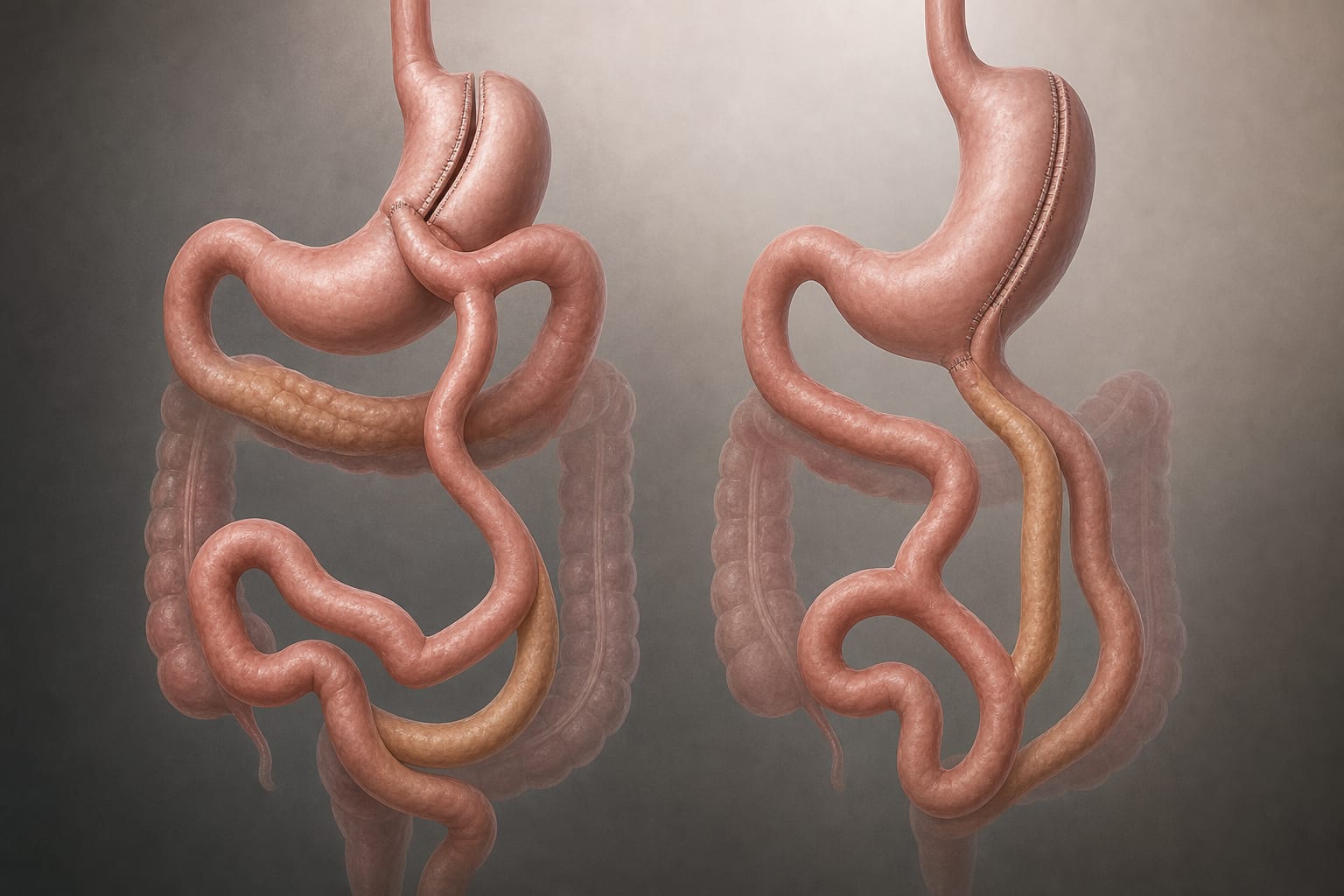
Bariatric surgery, especially sleeve gastrectomy combined with truncal vagotomy (SG-TV), results in significant weight loss and improved fasting blood glucose levels in DIO mice.
SG and SG-TV induce distinct changes in gut microbiota composition, with SG-TV increasing the abundance of Parabacteroides genus and the polyketide sugar unit biosynthesis pathway.
The vagus nerve plays a central role in the microbiome-gut-brain axis influencing eating behavior and body weight regulation.
Guideline-Based Recommendations
Diagnosis
Use high-fat diet-induced obesity models to study obesity and related metabolic changes.
Measure body weight and fasting blood glucose levels pre- and post-operatively to assess metabolic outcomes.
Management
Consider sleeve gastrectomy (SG) and truncal vagotomy (TV) as surgical interventions to achieve weight loss and metabolic improvement.
Perform SG by removing approximately 80% of the gastric volume and closing the remnant stomach.
Perform TV by cutting both dorsal and ventral vagus nerve trunks above bifurcation points.
Monitoring & Follow-up
Monitor body weight and fasting blood glucose at baseline and at multiple time points post-surgery (1, 2, 4, 8, and 12 weeks).
Profile gut microbiota composition before and after surgery using 16S rRNA sequencing with absolute quantification.
Risks
Potential variability in gut microbiota response to bariatric surgery and vagotomy.
Surgical risks associated with SG and TV procedures including anesthesia and operative complications.
Patient & Prescribing Data
High-fat diet-induced obese mice used as a model for obesity interventions.
SG-TV group showed the greatest reduction in body weight and fasting blood glucose, associated with increased Parabacteroides abundance, suggesting a microbial contribution to improved metabolic outcomes.
Clinical Best Practices
Ensure consistent preoperative fasting and baseline metabolic measurements.
Use sham operations to control for surgical exposure effects in experimental designs.
Apply absolute quantification methods in microbiota sequencing to accurately assess microbial changes.
Consider the role of the vagus nerve in mediating gut-brain axis effects on metabolism when planning obesity treatments.