Clinical Scorecard: Utilizing Artificial Intelligence for Biomarker Identification in Gastric Cancer: Transitioning from Histopathological Analysis to Multimodal Approaches
At a Glance
Category
Detail
Condition
Gastric Cancer
Key Mechanisms
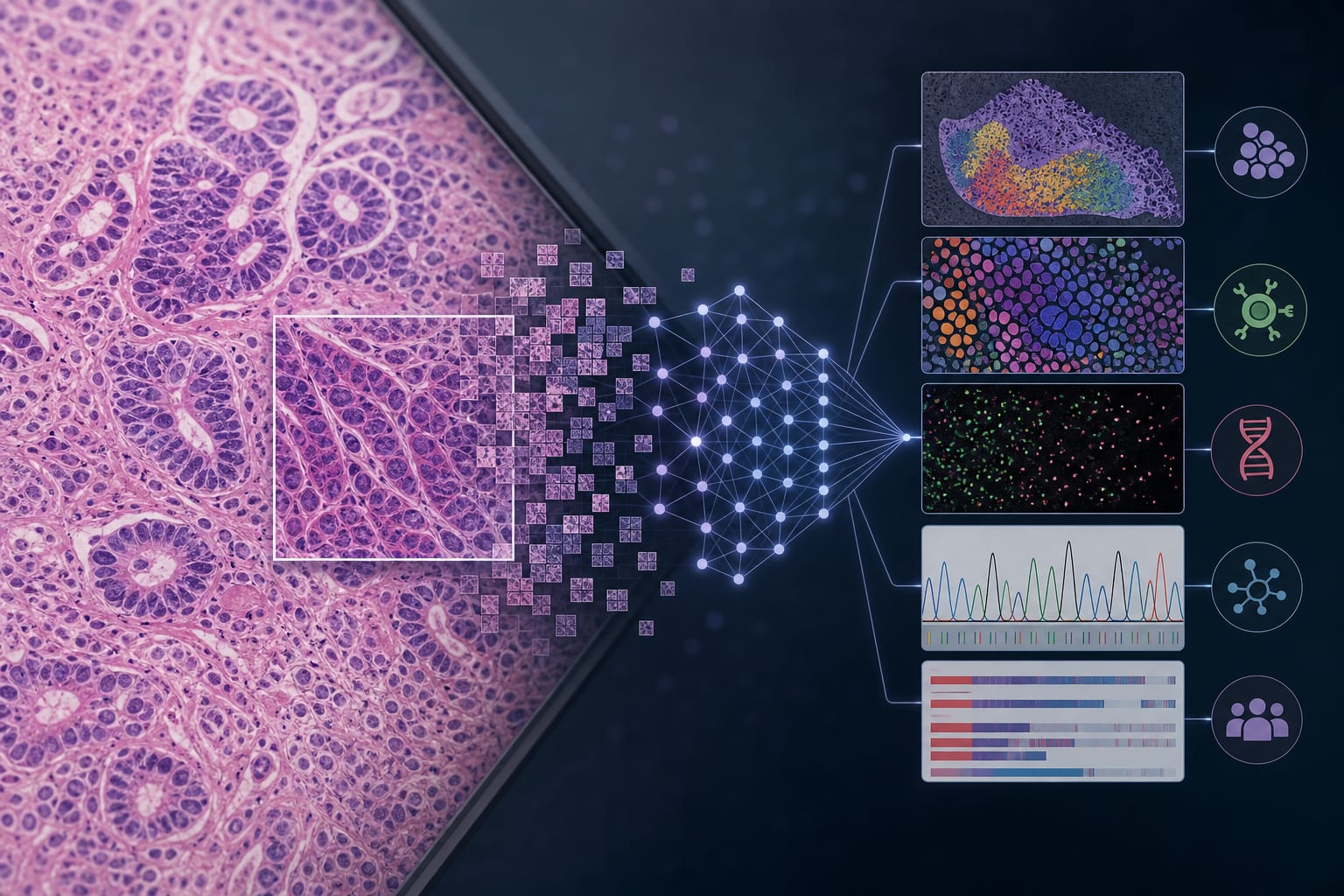
Artificial intelligence-enabled computational pathology using whole-slide images for biomarker assessment.
Target Population
Patients with gastric cancer.
Care Setting
Clinical pathology laboratories.
Key Highlights
AI models predict microsatellite instability and Epstein–Barr virus status.
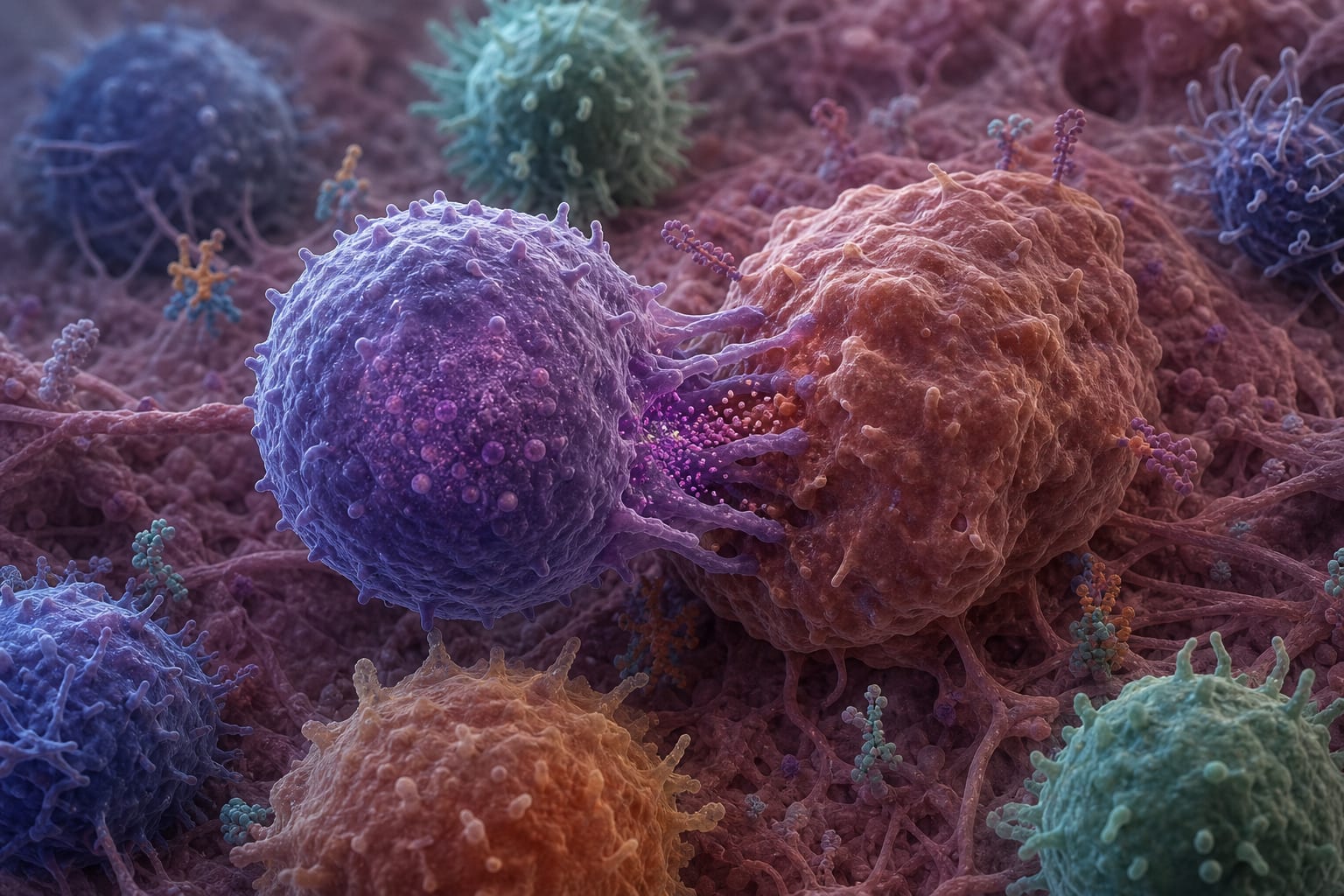
Quantitative characterization of tumor microenvironment using AI.
Multimodal integration improves predictive performance for recurrence and treatment responses.
AI supports prescreening and triage for confirmatory testing.
Challenges include model interpretability and data variability.
Guideline-Based Recommendations
Diagnosis
Utilize AI for prescreening and prioritization of confirmatory testing.
Management
Integrate multimodal data for improved biomarker assessment.
Monitoring & Follow-up
Employ AI to map immune architecture and tumor microenvironment.
Risks
Address variability in AI model performance across datasets.
Patient & Prescribing Data
Individuals diagnosed with gastric cancer.
AI can enhance precision medicine approaches by identifying actionable genetic alterations.
Clinical Best Practices
Implement AI-enabled digital pathology in routine workflows.
Standardize evaluation frameworks for AI models.
Conduct prospective multicenter validation of AI applications.