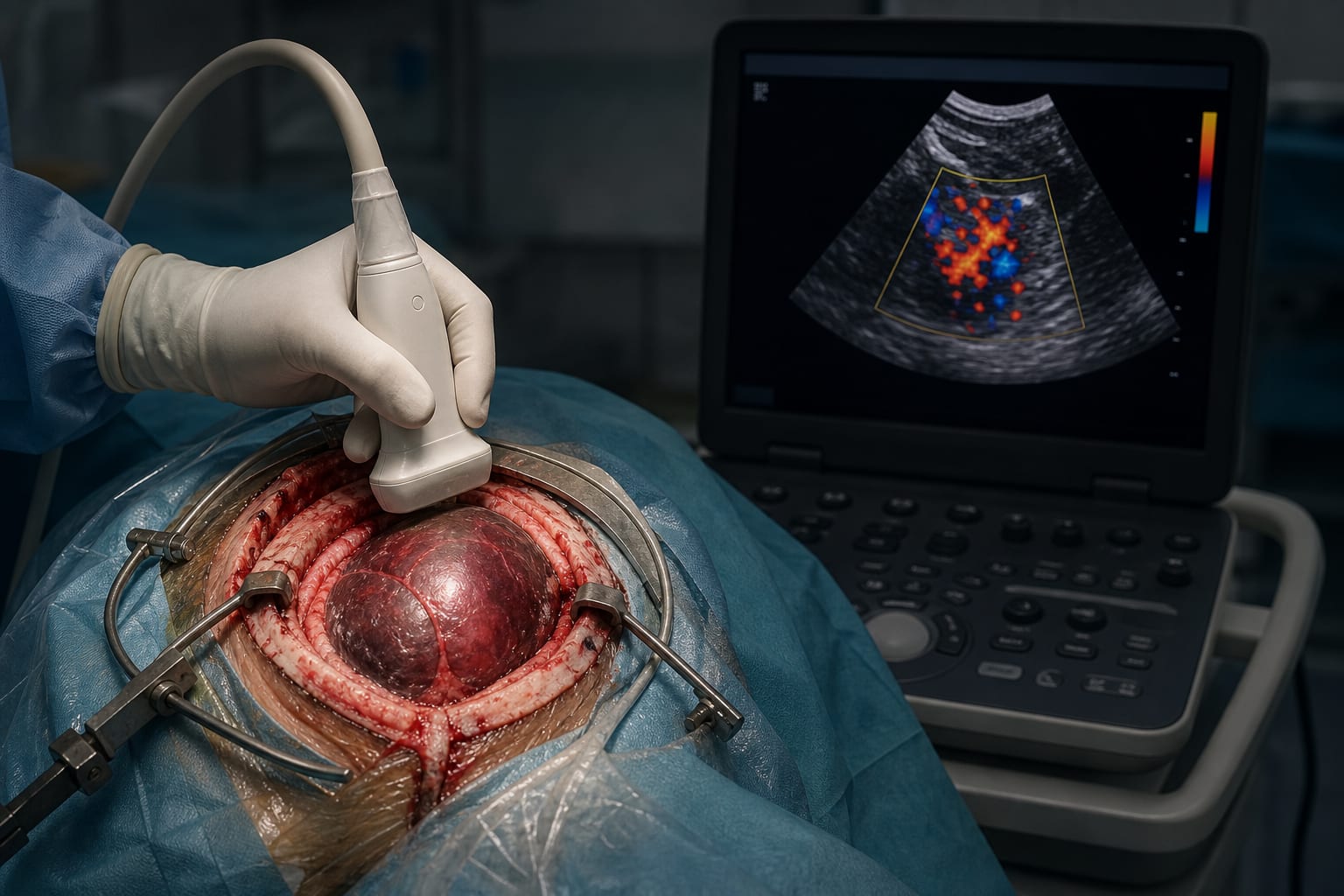
Clinical Scorecard: Awake Craniotomy Does Not Result in Higher Incidence of Psychological Issues
At a Glance
Category
Detail
Condition
Brain tumours requiring surgical resection
Key Mechanisms
Awake craniotomy with intraoperative neuropsychological testing to preserve neurological functions
Target Population
Adult patients with brain tumours located in eloquent brain areas undergoing first-time awake craniotomy
Care Setting
Neurosurgical operating room and postoperative hospital care
Key Highlights
Awake craniotomy allows more extensive tumour resection with fewer neurological deficits compared to general anaesthesia.
Psychological complaints including PTSD symptoms are rare and do not increase postoperatively after awake craniotomy.
Different awake craniotomy anaesthesia techniques (asleep-awake-asleep, awake-awake-awake) have distinct risk profiles and patient experiences.
Guideline-Based Recommendations
Diagnosis
Identify tumour location in eloquent brain areas to determine suitability for awake craniotomy.
Assess preoperative psychological status to establish baseline anxiety, depression, and PTSD symptoms.
Management
Use awake craniotomy with intraoperative neuropsychological testing to maximize tumour resection while preserving function.
Select anaesthesia technique (asleep-awake-asleep, awake-awake-awake) based on patient safety and ability to tolerate procedure.
Provide perioperative support to manage anxiety and pain during surgery.
Monitoring & Follow-up
Monitor neurological function intraoperatively through neuropsychological testing.
Assess postoperative psychological complaints including anxiety, depression, and PTSD symptoms.
Evaluate patient attribution of psychological symptoms to tumour diagnosis, surgery, or postoperative diagnosis.
Risks
Anaesthesia-related risks include nausea, hypoventilation, respiratory obstruction, confusion, and agitation.
Potential residual sedation effects may impair intraoperative cooperation and alertness.
Psychological impact of tumour diagnosis and surgery may cause anxiety but does not commonly lead to PTSD.
Patient & Prescribing Data
Adults undergoing first-time awake craniotomy for brain tumours in eloquent areas
Awake craniotomy is well tolerated with low incidence of postoperative psychological issues; careful patient selection and perioperative management optimize outcomes.
Clinical Best Practices
Perform awake craniotomy in patients with tumours in eloquent brain regions to maximize functional preservation.
Use intraoperative neuropsychological testing to guide tumour resection extent.
Consider awake-awake-awake anaesthesia technique to minimize sedation-related risks when feasible.
Screen and monitor psychological symptoms pre- and postoperatively to address patient needs.
Educate patients and families about the nature of awake craniotomy and potential psychological impacts.
Patients with preoperative vitamin D deficiency had higher postoperative pain scores and opioid use after mastectomy, including more than triple the odds of moderate to severe pain within 24 hours of surgery.