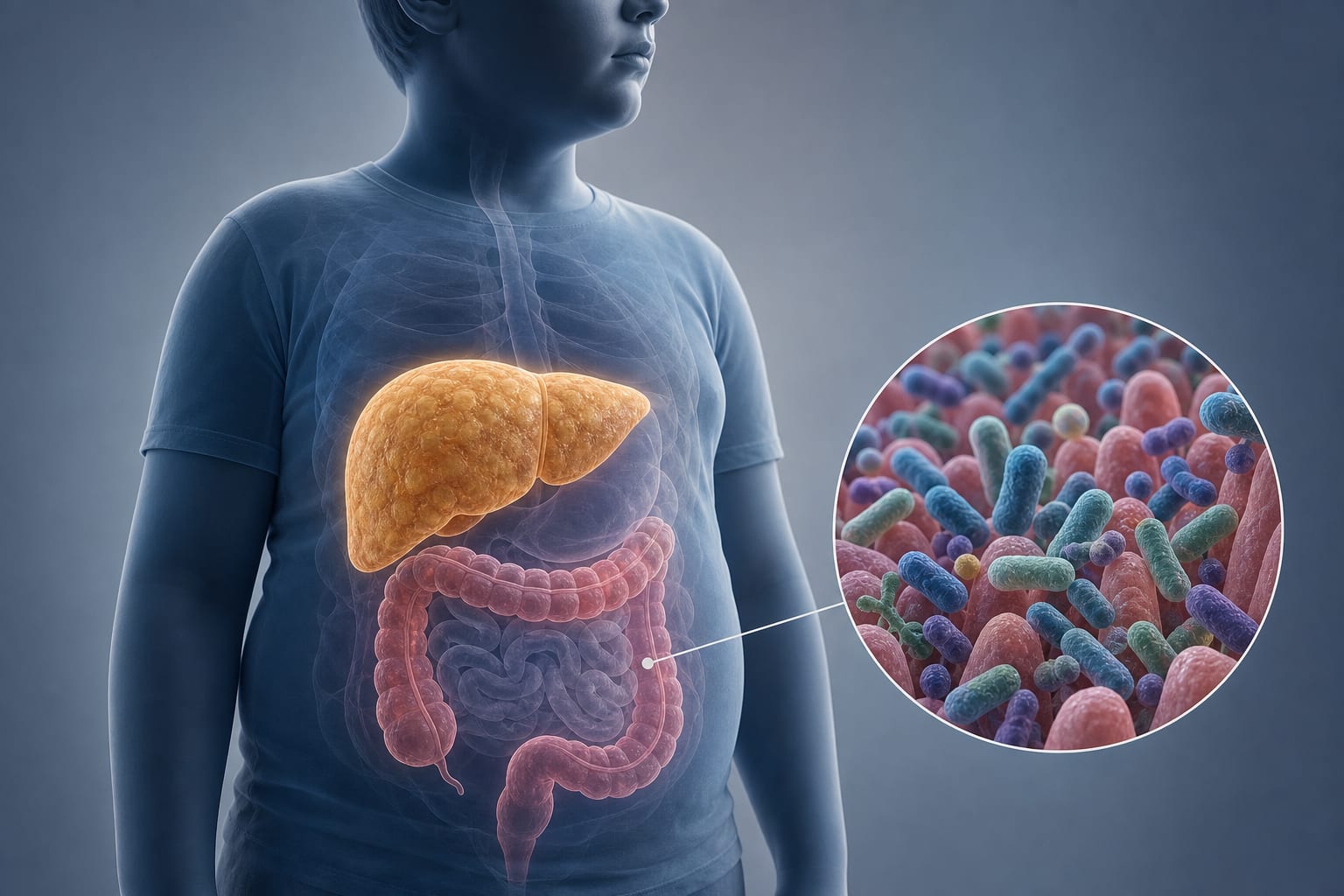
Improving Monitoring of Postoperative Crohn’s Disease Recurrence
AI-based and multi-omics approaches were explored in the earlier detection and prevention of postoperative Crohn's disease recurrence.
-
By
-
Margery Weinstein
-
February 2, 2026
-
Clinical Scorecard: Improving Monitoring of Postoperative Crohn’s Disease Recurrence
At a Glance
| Category | Detail |
|---|
| Condition | Postoperative Crohn’s Disease Recurrence |
| Key Mechanisms | Intestinal barrier dysfunction, fibrotic remodeling, immune activation, microbiome dysbiosis. |
| Target Population | Patients with Crohn’s disease undergoing surgical resection. |
| Care Setting | Clinical settings utilizing advanced imaging and AI technologies. |
Key Highlights
- Postoperative recurrence occurs in up to 70% of patients within 1 year post-surgery.
- Composite strategies combining biomarkers with imaging modalities are more effective than single measures.
- Advanced imaging techniques allow for real-time assessment of mucosal changes.
- AI integration may standardize assessments and support precision-guided management.
- Intestinal ultrasound shows strong correlation with endoscopic recurrence.
Guideline-Based Recommendations
Diagnosis
- Ileocolonoscopy is the reference standard for detecting mucosal recurrence.
- Fecal calprotectin is a useful noninvasive biomarker but has variability in optimal cutoff values.
Management
- Utilize advanced imaging techniques and AI for personalized monitoring strategies.
Monitoring & Follow-up
- Combine fecal calprotectin testing with intestinal ultrasound for better monitoring.
Risks
- Distinguishing postsurgical changes from early inflammatory recurrence is challenging.
Patient & Prescribing Data
Patients with a history of Crohn’s disease and surgical interventions.
Emerging technologies may shift monitoring from reactive to proactive approaches.
Clinical Best Practices
- Implement advanced imaging and AI technologies in clinical workflows.
- Standardize methodologies for monitoring postoperative recurrence.
References